Why investors are suddenly fleeing Indonesia
Indonesia, one of Asia's biggest economies, risks losing its emerging-market status as President Prabowo Subianto's spending plans rattle investors. Will the man who promised to
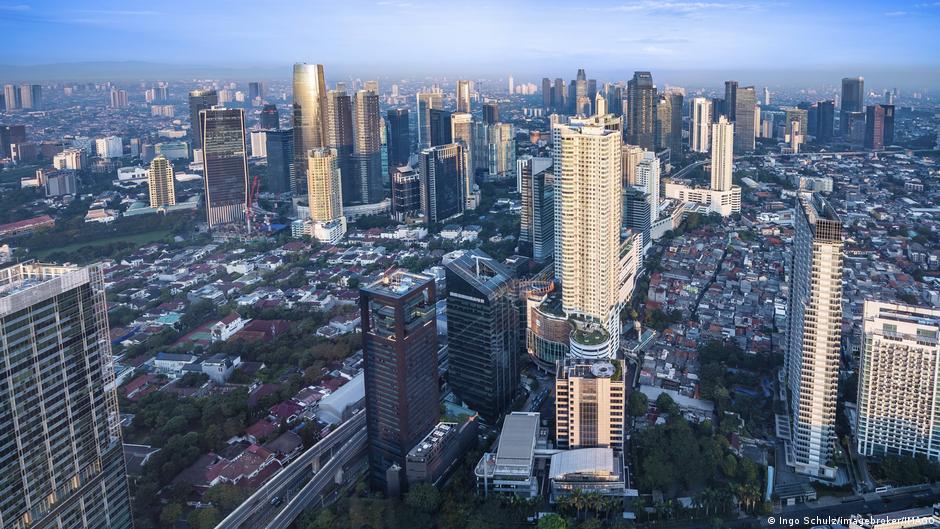
Indonesia, one of Asia's biggest economies, risks losing its emerging-market status as President Prabowo Subianto's spending plans rattle investors. Will the man who promised to deliver 8% growth rein in his ambitions? Since the pandemic, Indonesia has delivered steady annual growth of 5%. Then, Iran closed the Strait of Hormuz. As Southeast Asia's largest economy still heavily relies on imported fuel despite having its own oil reserves, the Indonesian government took an immediate hit. The cost of fuel subsidies, for which ministers had budgeted around $22 billion (€19.2 billion), rocketed. Reuters news agency reported in March that policymakers would need an extra $6 billion or more to keep prices stable. The national currency, the rupiah, plunged 8% to record lows near 18,000 to the dollar. The Jakarta stock market, which had been heading for a record above 9,000, fell by a third, becoming the worst-performing stock market this year. Foreign investors pulled billions out of Indonesian assets. The Financial Times calculated that global funds sold a net $3.9 billion worth of stocks this year — the largest sell-off since just before the 1997-98 Asian Financial Crisis. Markets were spooked by the surge in energy costs colliding with populist President Prabowo Subianto’s huge spending promises. Investors pulled out of Indonesia over a threatened downgrade from emerging to frontier economy Image: Agung Kuncahya B./Xinhua/IMAGO Populist spending meets market pushback During his 2024 election campaign, Prabowo promised to raise economic growth to 8% by spending trillions of rupiah on housing, education and health.
Since being elected, he's also launched a new sovereign wealth fund that manages assets worth around $900 billion. While the extra funding drew strong political and public support, investors and other experts were alarmed. Netherlands-based economist Rizal Shidiq at Leiden University described Prabowo's policies as "overly ambitious" and "inefficient." "The market sees the President's flagship programs as a significant strain on an already tight fiscal space," Shidiq told DW, adding that the Hormuz closure made the spending plans look "increasingly unsustainable." Indonesia had for years thrived on steady growth backed by prudent budgeting and a deficit ceiling of 3% of gross domestic product (GDP). But Prabowo's government has been criticized for relying on bigger deficits and pushing the country toward growth sustained by debt. Indonesia's debt interest a heavy load to bear According to CEIC Data, Indonesia's debt-to-GDP ratio is 40.75%, lower than many emerging‑market peers. But the cost of servicing that debt is the real problem. Local media reported recently that close to a quarter of all tax receipts in 2026 would go toward interest payments — more than double the ratio recommended by the International Monetary Fund. Indonesia also lags Southeast Asian peers like Thailand, Vietnam and the Philippines in tax revenues collected. Jakarta also faces heavy refinancing pressure, with about 834 trillion rupiah ($46.1 billion, €40.3 billion) of government debt maturing this year, according to financial news outlet Kontan. "The government is right to want faster growth," wrote Arianto Patunru, a fellow at the Australian University's Indonesia Project, in a recent blog post.
 The BriefWire