UP Leads Nation In Water Conservation With Record 20,000 Amrit Sarovars, 1.75 Lakh Rejuvenated Ponds
UP Leads Nation In Water Conservation With Record 20,000 Amrit Sarovars, 1.75 Lakh Rejuvenated Ponds Published By, Last Updated: July 15, 2026, 15:13 IST Uttar
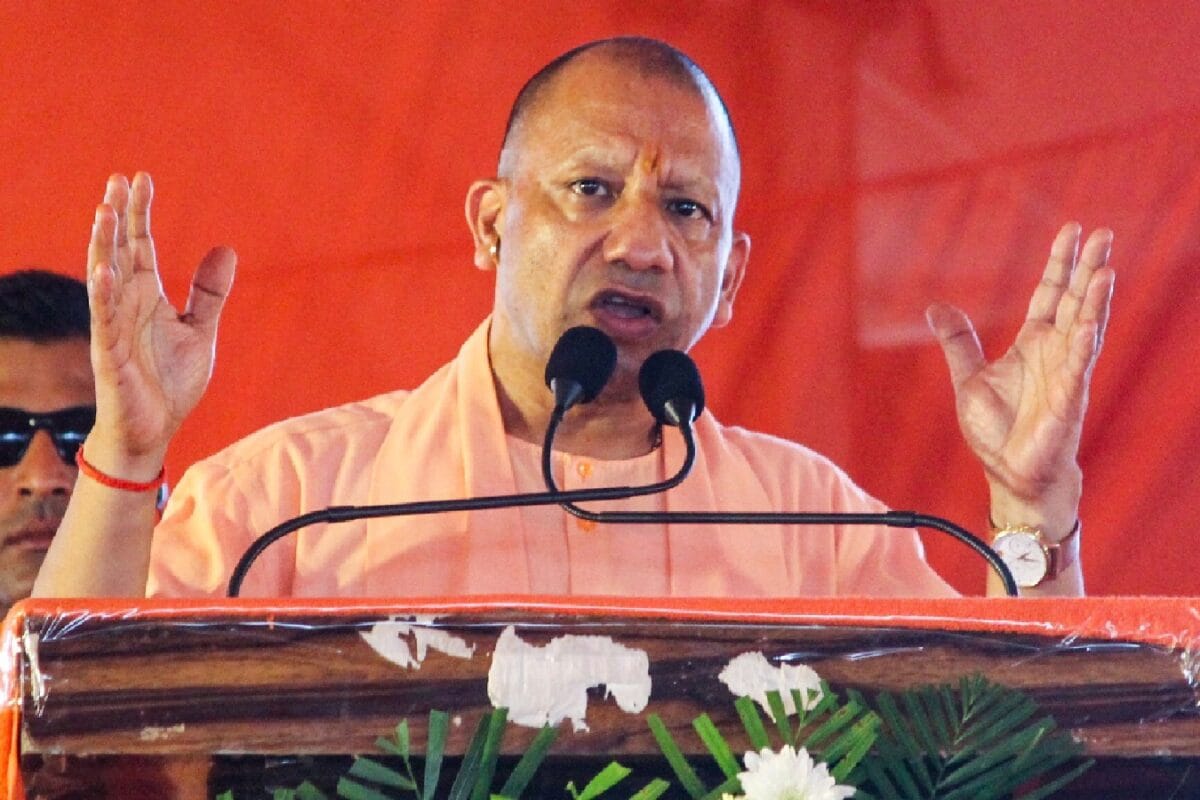
UP Leads Nation In Water Conservation With Record 20,000 Amrit Sarovars, 1.75 Lakh Rejuvenated Ponds Published By, Last Updated: July 15, 2026, 15:13 IST Uttar Pradesh leads India in water conservation, creating 20,000 Amrit Sarovars and rejuvenating 1.75 lakh ponds. The state accounts for 27% of all Amrit Sarovars in the nation. Uttar Pradesh Chief Minister Yogi Adityanath. (IMAGE: PTI) Uttar Pradesh has emerged as the country’s leading state in water conservation after creating a record 20,000 Amrit Sarovars and rejuvenating nearly 1.75 lakh ponds over the past five years. Uttar Pradesh now accounts for around 27% of all Amrit Sarovars created across the country. The state also claimed it is nearly three times ahead of second-ranked Madhya Pradesh in the construction of Amrit Sarovars. More than Rs 16,000 crore has been spent on water conservation and related works over the last five financial years, resulting in significant improvements in agriculture, groundwater conservation, environmental protection and the rural economy.
While 78 of the earlier 266 permissible works were related to water conservation, the newly introduced VB-GRAM-G framework now includes 107 water security and conservation works out of a total of 318 permissible activities. These include the construction of check dams, soak pits, rooftop rainwater harvesting systems, ponds, restoration of reservoirs, embankments, field bunding and plantation drives aimed at improving water availability in rural areas. Uttar Pradesh has emerged as the country’s leading state in water conservation, with nearly three times as many Amrit Sarovars as second-ranked Madhya Pradesh. The Yogi government has transformed the Amrit Sarovar initiative beyond infrastructure creation into a public participation campaign, with villages taking up the rejuvenation of old ponds, construction of new water bodies and rainwater harvesting projects. It added that the effort has helped improve irrigation facilities, raise groundwater levels and strengthen local biodiversity. The initiative has also generated new livelihood opportunities through fisheries, animal husbandry and agriculture while creating employment under rural development schemes.
Improved water availability has also contributed to higher agricultural productivity and increased farmers’ incomes. Uttar Pradesh’s model of linking water conservation with environmental protection, rural development and public participation has emerged as a benchmark that is now being adopted by other states. Under Chief Minister Yogi Adityanath’s leadership, the state has positioned itself as a national leader in water conservation. News18 Newsletter Handpicked stories, in your inbox A newsletter with the best of our journalism submit Key Questions Answered How will other states adopt UP's water conservation model? Uttar Pradesh's water conservation model, which integrates environmental protection, rural development, and public participation, is being adopted by other states. This approach has led to the creation of 20,000 Amrit Sarovars and the rejuvenation of 1. What long-term impact will this have on UP's economy? The long-term economic impact of UP's water conservation efforts, including 20,000 Amrit Sarovars, is expected to be significant, improving agriculture, groundwater conservation, environmental protection, and the rural economy.
 The BriefWire