Sharad Pawar And The Politics Of Possibility: Why NCP(SP) Has Everyone Reading Between Lines Again
Sharad Pawar And The Politics Of Possibility: Why NCP(SP) Has Everyone Reading Between Lines Again Published By, Last Updated: July 15, 2026, 14:56 IST Supriya
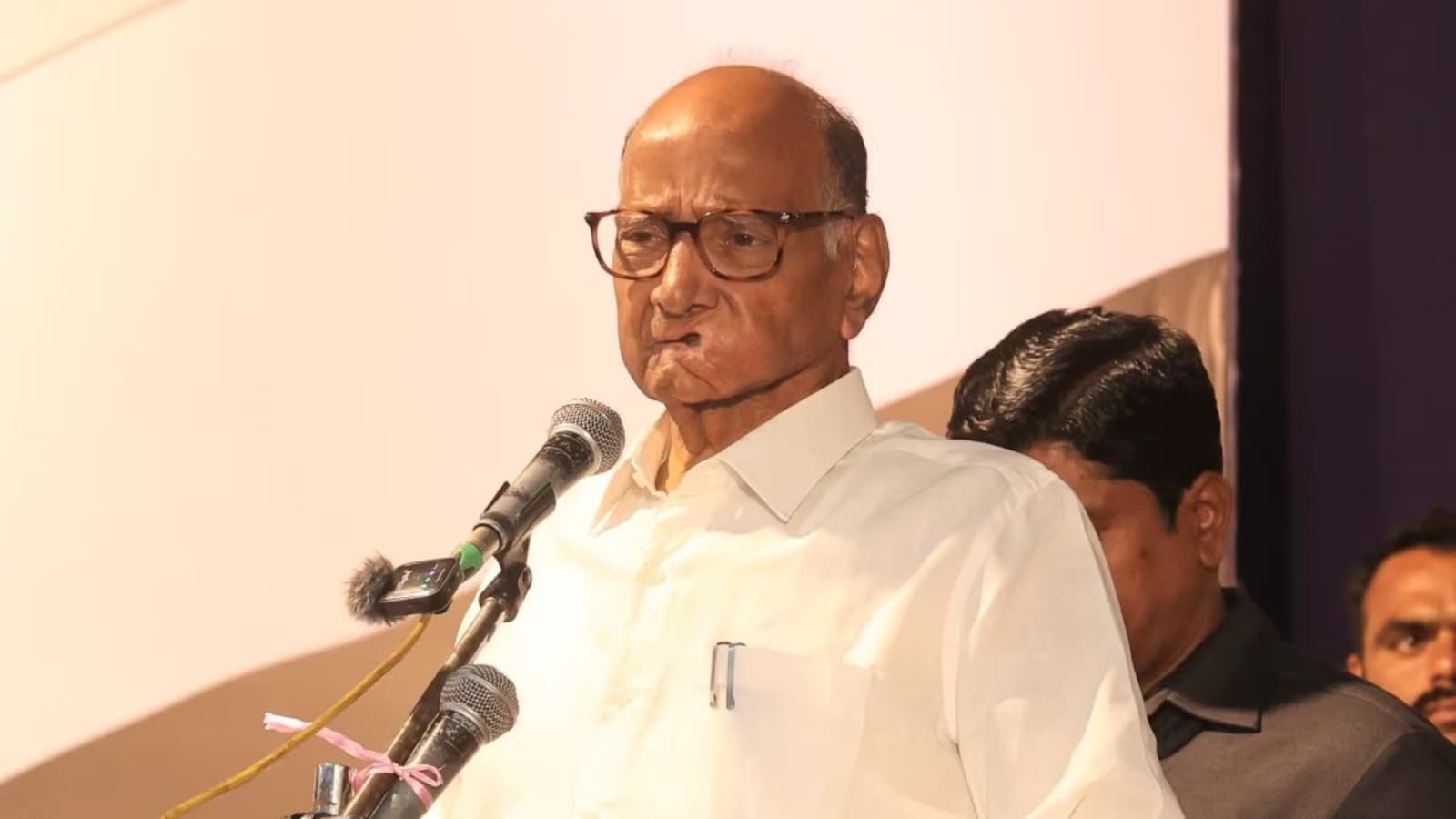
Sharad Pawar And The Politics Of Possibility: Why NCP(SP) Has Everyone Reading Between Lines Again Published By, Last Updated: July 15, 2026, 14:56 IST Supriya Sule's remarks on backing key NDA bills echoed Sharad Pawar's trademark politics—neither a yes nor a no, leaving every political camp guessing. Rapid Read NCP (SP) chief Sharad Pawar (File image) By Parimal Peeyush Supriya Sule’s clarification on her party’s possible support for some key NDA legislation presented a familiar Sharad Pawar moment. It was neither an endorsement nor a denial, with just enough ambiguity to keep every political camp invested. Sharad Pawar has rarely been a politician of definitive answers. For decades now, the Maharashtra veteran has built a career on something far more valuable in coalition politics—keeping every side guessing just enough to ensure they keep talking to him. On Wednesday, the Nationalist Congress Party (Sharadchandra Pawar) once again demonstrated that political instinct. Even as speculation swirled over meetings between leaders of both NCP factions and Maharashtra Chief Minister Devendra Fadnavis late Tuesday evening, the Sharad Pawar camp neither shut the door on the NDA nor walked through it. Dismissing reports suggesting that the Sharad Pawar-led party had already decided to support the Delimitation Bill that the Centre is likely to bring back in Parliament, NCP(SP) working president Supriya Sule termed it a “storm in a teacup." “I got a message from a media person. In response, I said, ‘We will consider if the 50 per cent cap is up for discussion.’ This was a private conversation with the media person, as this person is a friend. How can WhatsApp conversations, privately, be made into news?" she wondered, clarifying that her party was yet to take an official stand in the matter. She did, however, add that the party would examine the proposal if the Centre was prepared to discuss the 50 per cent cap on the increase in the number of seats for each state post delimitation. “NCP (SP) will think about delimitation if the government is open to discussing the 50 per cent cap." It was a familiar Sharad Pawar moment. Neither an endorsement nor a denial with just enough ambiguity to keep every political camp invested.
The Delhi Arithmetic The speculation is not really about Maharashtra. It is about Delhi. According to sources, the discussions are not centred on the NCP(SP) joining the NDA but instead revolve around whether Sharad Pawar’s party could extend issue-based or outside support to the Narendra Modi-led government at the Centre on select constitutional legislation, particularly the proposed Delimitation Bill and the implementation framework for the Women’s Reservation law. That distinction is politically significant. Joining the NDA would fundamentally alter Pawar’s position within the INDIA bloc. Supporting specific Bills while remaining outside the alliance would probably not. In fact, it would fit neatly into a political philosophy Pawar has practised for decades — cooperate where it suits, oppose where it must, and never surrender strategic autonomy. Why Eight MPs Suddenly Matter At first glance, the NCP (SP) hardly appears indispensable. The party lost most of its MLAs after Ajit Pawar’s rebellion, lost the original party name and symbol, and is no longer the dominant force it once was in Maharashtra. But the Parliament tells a different story. Sharad Pawar’s faction has eight Lok Sabha MPs, making it one of the largest contingents among regional Opposition parties. Ordinarily, eight MPs would not determine the fate of a government. But constitutional amendments are different. Under Article 368, a Constitutional Amendment Bill requires not only a majority of the total strength of the Lok Sabha (currently at least 272 members) but also the support of at least two-thirds of members present and voting. Unlike ordinary legislation, where a simple majority often suffices, constitutional amendments demand political consensus. And consensus is built one regional party at a time. That is why every bloc matters. Eight MPs cannot guarantee the passage of a constitutional amendment. But they can become the difference between a comfortable victory and a politically embarrassing shortfall. Would BJP Value Outside Support? The Modi government is widely expected to revive politically consequential legislation linked to delimitation and women’s reservation during the Monsoon Session. These are not routine Bills but ones that could redefine India’s political architecture. The Women’s Reservation Act has already been enacted, but its implementation remains linked to the completion of the Census and the delimitation exercise.
 The BriefWire