Temple, Mosque Claims And A 2003 ASI Order: 10 Things To Know About The Bhojshala Case
Temple, Mosque Claims And A 2003 ASI Order: 10 Things To Know About The Bhojshala Case Published By, Last Updated: July 15, 2026, 13:34 IST
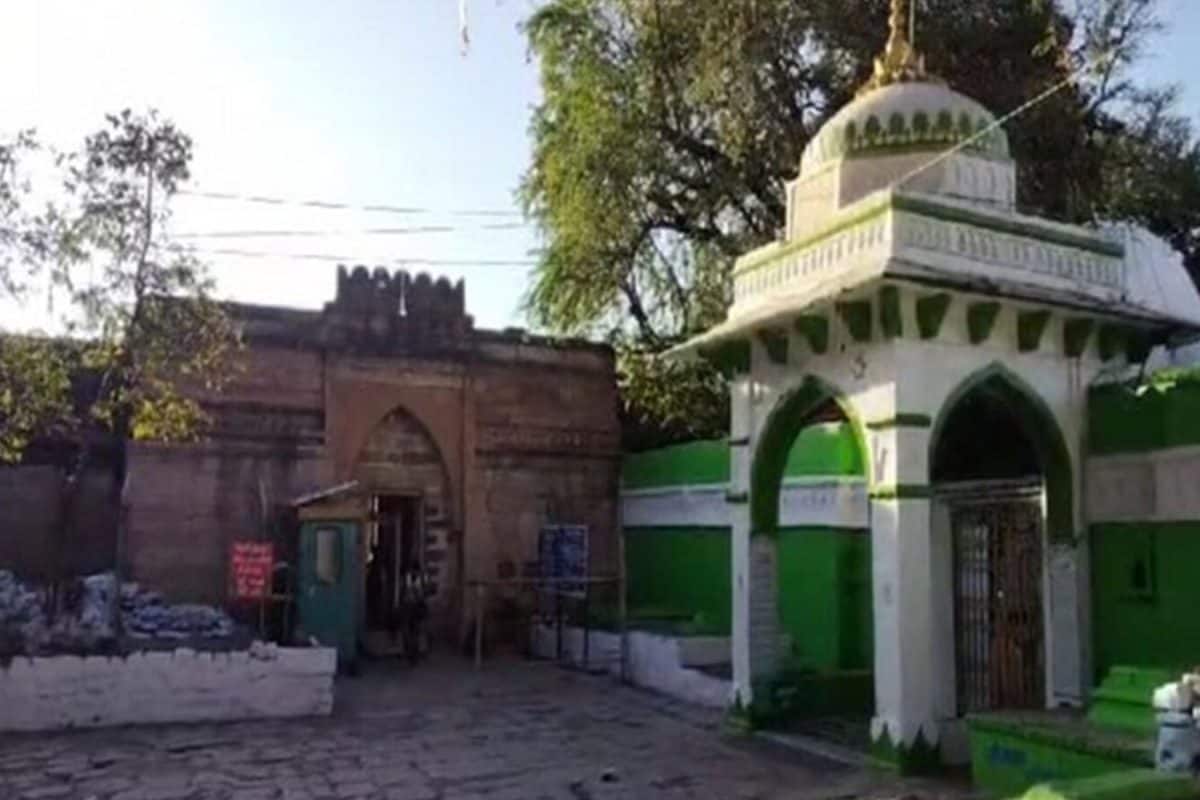
Temple, Mosque Claims And A 2003 ASI Order: 10 Things To Know About The Bhojshala Case Published By, Last Updated: July 15, 2026, 13:34 IST The Bhojshala dispute centres on a centuries-old monument in Dhar, Madhya Pradesh, that is revered by Hindus as the temple of Goddess Vagdevi and by Muslims as Kamal Maula Mosque. Rapid Read A file photo of the Bhojshala complex in Dhar The Supreme Court on Tuesday heard appeals filed by Muslim petitioners challenging the Madhya Pradesh High Court’s May 2026 judgment on the Bhojshala–Kamal Maula complex in Dhar. The Court declined to grant an interim stay on the High Court verdict and refused to permit Friday namaz inside the disputed structure, while agreeing to examine the appeals in detail. It recorded that the issue is “sensitive" and indicated that it may hold intensive hearings, including day‑to‑day, at a later stage. As part of its interim directions, the Supreme Court ordered that an open space adjacent to the Bhojshala complex be made available to the Muslim community for offering Friday prayers between 1 pm and 3 pm, treating this as an ad hoc measure pending final verdict. It also directed that no structural changes be made at the Bhojshala monument without prior permission of the Court, thereby maintaining the physical status quo until it delivers a final decision in the matter. The Bhojshala dispute centres on a centuries-old monument in Dhar, Madhya Pradesh, that is revered by Hindus as the temple of Goddess Vagdevi (Saraswati) and by Muslims as the Kamal Maula Mosque.
Hindus maintain that the structure was originally a temple dedicated to Saraswati and later converted into a mosque during medieval rule, while the Muslim community regards it as a functioning mosque with historical significance. 10 Things To Know About The Bhojshala Case Bhojshala–Kamal Maula is a protected monument situated in Dhar, Madhya Pradesh, under the jurisdiction of the Archaeological Survey of India (ASI). It comprises a historical structure claimed by Hindus as a temple dedicated to Goddess Saraswati and by Muslims as the Kamal Maula mosque. 2. In 2003, the ASI issued an order specifying worship timings: Hindu devotees were permitted to perform puja on Tuesdays, and Muslims were permitted to offer Friday namaz at the complex. This “time‑sharing" arrangement operated for years under administrative and police supervision, with ASI responsible for conservation. 3. Petitions before the Madhya Pradesh High Court challenged the 2003 ASI arrangement and sought clarification of the site’s religious character. On May 2026, the High Court held that the disputed structure is a temple of Goddess Vagdevi (Saraswati), based on historical, archaeological and documentary material placed before it. 4. In the same judgment, the High Court quashed the 2003 ASI order that had allowed both Hindu worship and Muslim namaz at specified times. As a result, the earlier formal shared‑use regime at the Bhojshala complex was legally set aside. 5. The High Court directed the ASI to continue conservation and preservation of the Bhojshala structure in accordance with applicable heritage laws.
 The BriefWire