Pilgrimage In 40-Degree Heat: How Climate Change And Global Warming Are Reshaping The Hajj Experience
Pilgrimage In 40-Degree Heat: How Climate Change And Global Warming Are Reshaping The Hajj Experience Published By, Last Updated: May 29, 2026, 16:47 IST Climate
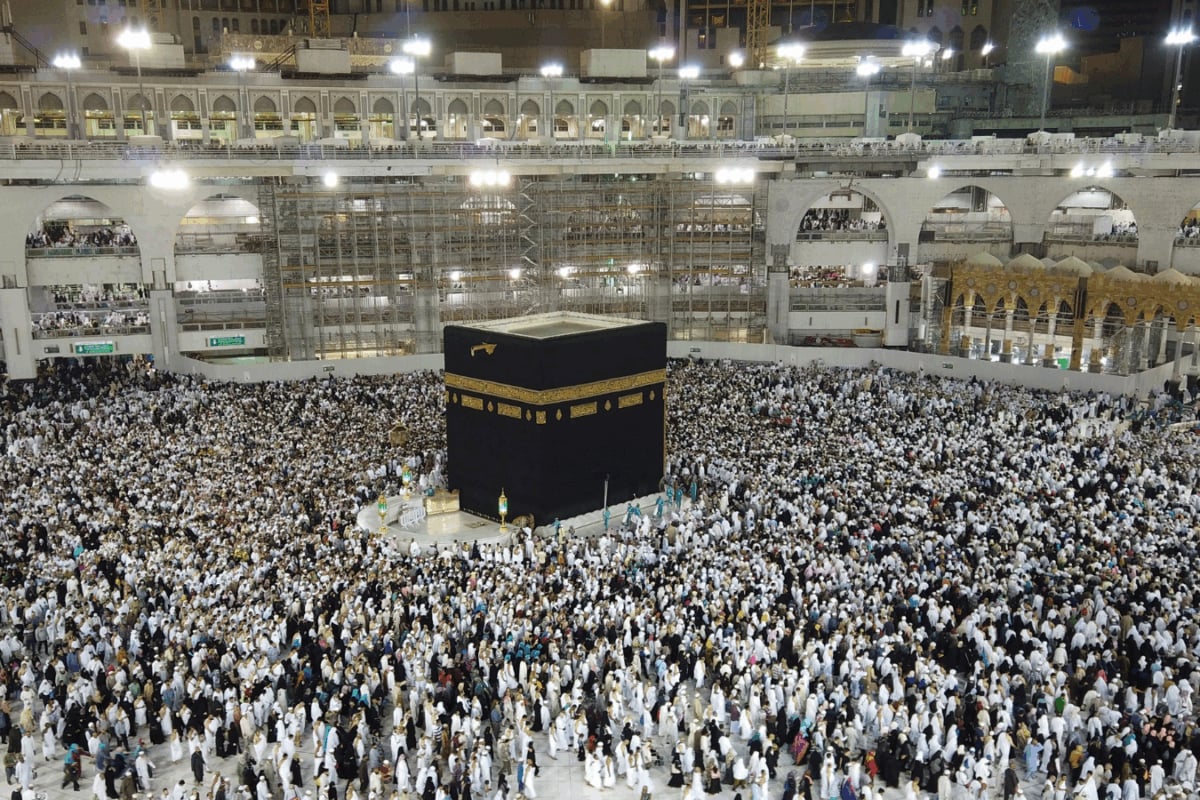
Pilgrimage In 40-Degree Heat: How Climate Change And Global Warming Are Reshaping The Hajj Experience Published By, Last Updated: May 29, 2026, 16:47 IST Climate change is making Hajj in Mecca more dangerous, with rising heat, dehydration and heatstroke risks, especially for elderly pilgrims, despite Saudi's cooling measures. Climate change is making Hajj in Mecca more dangerous, with rising heat, dehydration and heatstroke risks. Every year, millions of Muslims from around the world travel to Mecca, Saudi Arabia, to perform the Hajj pilgrimage. But as global temperatures continue to rise, climate scientists and public health experts are increasingly warning that climate change is making one of the world’s largest religious gatherings more physically demanding and potentially hazardous. From intense heatwaves to rising risks of dehydration and heatstroke, global warming is adding a new challenge to a pilgrimage already known for its physical demands. Why Is Hajj Particularly Vulnerable To Climate Change? Hajj involves long periods of outdoor activity, including walking between the holy sites of Mina, Arafat and Muzdalifah. Pilgrims often spend several hours under direct sunlight, sometimes covering long distances in large crowds. During recent Hajj seasons, temperatures have frequently crossed 40°C, with some areas recording even higher readings.
As climate change pushes temperatures upward across the Middle East, such conditions are becoming increasingly difficult for pilgrims to endure. The Middle East Is Warming Faster Scientists say the Middle East is among the regions most vulnerable to extreme heat. Climate studies suggest that temperatures across parts of Saudi Arabia are rising faster than the global average, increasing the frequency and intensity of heatwaves. Experts warn that temperatures exceeding 50°C could become more common in the coming decades if greenhouse gas emissions continue to rise. Heatstroke And Dehydration Are Growing Concerns Extreme heat poses serious health risks, particularly for elderly pilgrims and those with underlying medical conditions. Common heat-related illnesses during Hajj include Heat exhaustion Heatstroke Severe dehydration Kidney complications Cardiovascular stress In recent years, thousands of pilgrims have required medical treatment for heat-related illnesses, with authorities repeatedly issuing advisories urging pilgrims to stay hydrated and avoid prolonged exposure to direct sunlight. When Crowds And Heat Combine Hajj is one of the largest annual human gatherings in the world, attracting millions of pilgrims over a short period. Large crowds generate additional body heat, while roads, pavements and buildings absorb and radiate heat throughout the day.
This can create conditions that feel significantly hotter than official temperature readings. Experts describe this phenomenon as a “crowd heat effect," which can increase the risk of heat stress, especially during peak daytime hours. Elderly Pilgrims Face The Greatest Risk Many pilgrims undertake Hajj later in life after spending years saving for the journey. Older adults are generally more vulnerable to heat-related illnesses because the body’s ability to regulate temperature decreases with age. Medical experts say elderly pilgrims face a higher risk of dehydration, heatstroke and heart-related complications during periods of extreme heat. How Saudi Arabia Is Responding Saudi authorities have invested heavily in infrastructure and technology to reduce heat-related risks during Hajj. Measures include Air-conditioned tents Expanded shaded walkways Large-scale misting and cooling systems Additional medical facilities and emergency response teams Public awareness campaigns on heat safety Thousands of healthcare workers are deployed during the pilgrimage to treat heat-related illnesses and monitor public health conditions. Why The Challenge Could Grow The Islamic calendar follows the lunar cycle, meaning the timing of Hajj shifts throughout the year. However, for the next several years, the pilgrimage will continue to fall during some of the hottest months in Saudi Arabia.
Climate experts warn that unless global warming is slowed, extreme heat events are likely to become more frequent and intense, increasing the challenges faced by future pilgrims. The Bottom Line For centuries, Hajj has been a physically demanding spiritual journey. Today, climate change is adding another layer of difficulty. Rising temperatures, stronger heatwaves and increasing crowd-related heat stress are turning extreme heat into one of the most significant public health challenges associated with the pilgrimage. News18 Newsletter Handpicked stories, in your inbox A newsletter with the best of our journalism submit Location: Saudi Arabia First Published: May 29, 2026, 16:47 IST News world Pilgrimage In 40-Degree Heat: How Climate Change And Global Warming Are Reshaping The Hajj Experience Disclaimer: Comments reflect users’ views, not News18’s. Please keep discussions respectful and constructive. Abusive, defamatory, or illegal comments will be removed. News18 may disable any comment at its discretion. By posting, you agree to our Terms of Use and Privacy Policy Loading comments...
 The BriefWire