Is Bitcoin 'Haram'? Pakistan's Most Influential Cleric Bans Crypto For Muslims, Triggers Selloff
Is Bitcoin 'Haram'? Pakistan's Most Influential Cleric Bans Crypto For Muslims, Triggers Selloff Published By, Last Updated: July 15, 2026, 11:52 IST In Pakistan, Mufti
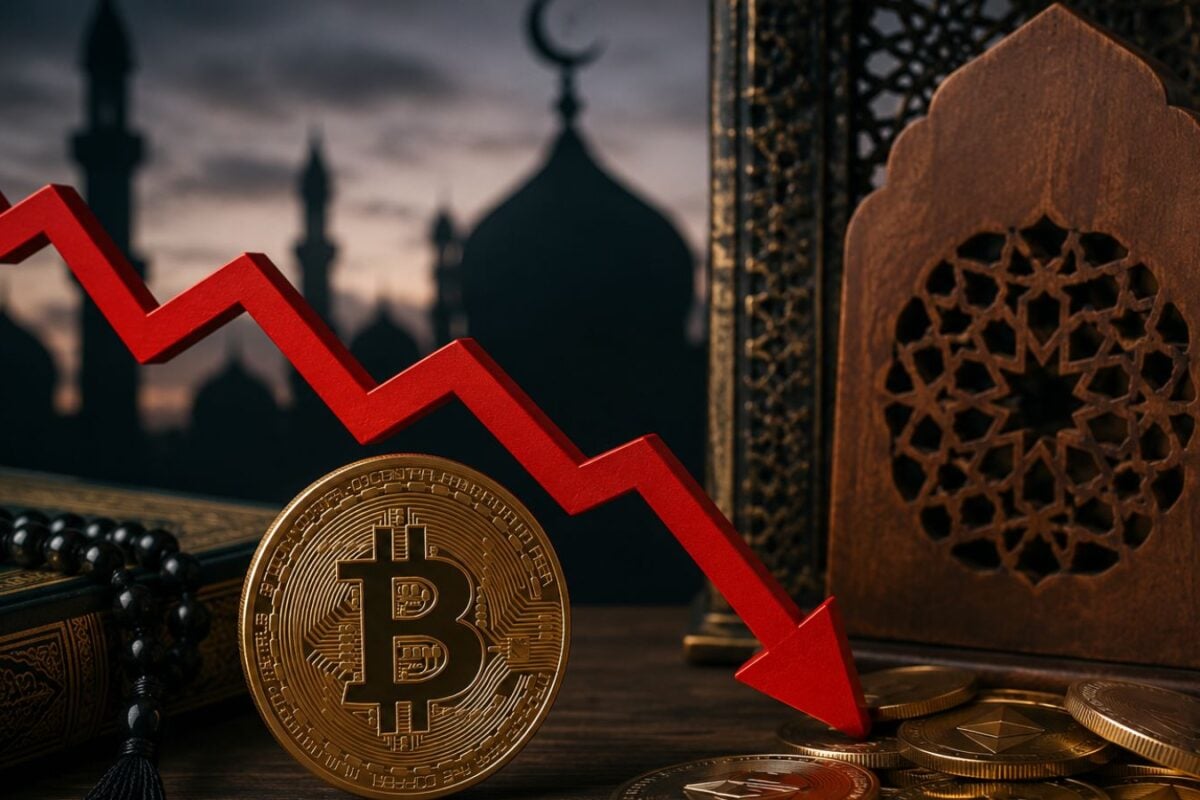
Is Bitcoin 'Haram'? Pakistan's Most Influential Cleric Bans Crypto For Muslims, Triggers Selloff Published By, Last Updated: July 15, 2026, 11:52 IST In Pakistan, Mufti Taqi Usmani’s opinions carry considerable weight because he is regarded as one of the world’s foremost authorities on Islamic finance Rapid Read According to the fatwa, cryptocurrencies do not meet the Islamic criteria for legitimate wealth or property and involve excessive uncertainty and elements akin to gambling. (AI-Generated Image) Pakistan’s cryptocurrency ambitions have hit an unexpected roadblock, and it isn’t market volatility or government regulation. It’s a fatwa. Just as Islamabad was trying to project itself as a crypto-friendly destination, one of the country’s most influential Islamic scholars, Mufti Muhammad Taqi Usmani, declared cryptocurrency trading, including Bitcoin, Ethereum and stablecoins, “haram" (forbidden) under Islamic law. The development has sparked debate not just in Pakistan but across Muslim-majority countries and among Muslim investors worldwide. What Is A Fatwa? A fatwa is a religious opinion or legal ruling issued by a qualified Islamic scholar on matters relating to Islamic law (Sharia). ALSO READ | Who Is Bilal Bin Saqib, The ‘Crypto Bro’ Shaping Trump’s Pakistan View? Contrary to popular perception, a fatwa is not a law and is generally not legally binding. However, when it is issued by a scholar with significant religious authority, it can strongly influence the behaviour of followers. In Pakistan, Mufti Taqi Usmani’s opinions carry considerable weight because he is regarded as one of the world’s foremost authorities on Islamic finance and serves as a leading scholar at Darul Uloom Karachi, one of the country’s most respected Islamic seminaries.
Why Has Crypto Been Declared ‘Haram’? According to the fatwa, cryptocurrencies do not meet the Islamic criteria for legitimate wealth or property and involve excessive uncertainty (gharar), speculation and elements akin to gambling (maysir), making them impermissible under Sharia. The ruling covers cryptocurrencies, crypto tokens and stablecoins used for trading and investment. Islamic finance generally prohibits transactions involving excessive uncertainty, speculation resembling gambling, interest (riba), and assets that lack intrinsic or recognised value. The cleric’s opinion argues that most cryptocurrencies fail these tests. Why Is The Timing Significant? The fatwa comes at an awkward moment for Pakistan. Over the past year, the government has actively tried to position the country as a crypto-friendly destination by setting up the Pakistan Crypto Council, creating the Pakistan Virtual Assets Regulatory Authority (PVARA) and developing regulations for digital assets. The government has also explored blockchain initiatives and policies aimed at attracting investment into the sector. Does This Mean Crypto Is Now Illegal In Pakistan? The fatwa is a religious ruling, not a government notification or court order. Pakistan’s legal position on cryptocurrencies remains separate from the religious opinion. While digital assets continue to operate within a complex and evolving regulatory framework, the fatwa itself does not automatically ban crypto trading under Pakistani law. However, because of Mufti Usmani’s influence, analysts believe many religious investors could voluntarily exit the market. Has The Fatwa Already Affected Crypto Markets? According to market participants quoted by The Economic Times, the ruling triggered pockets of selling by religious investors in Pakistan and even among some investors in India and the UAE, with founders and analysts reporting liquidation of holdings in the immediate aftermath of the announcement.
 The BriefWire