24/7 tracking, family aid: India's Hormuz safety plan after 9th sailor's death
The Centre on Tuesday announced a series of measures to track Indian seafarers operating in the Strait of Hormuz and assist the families of those
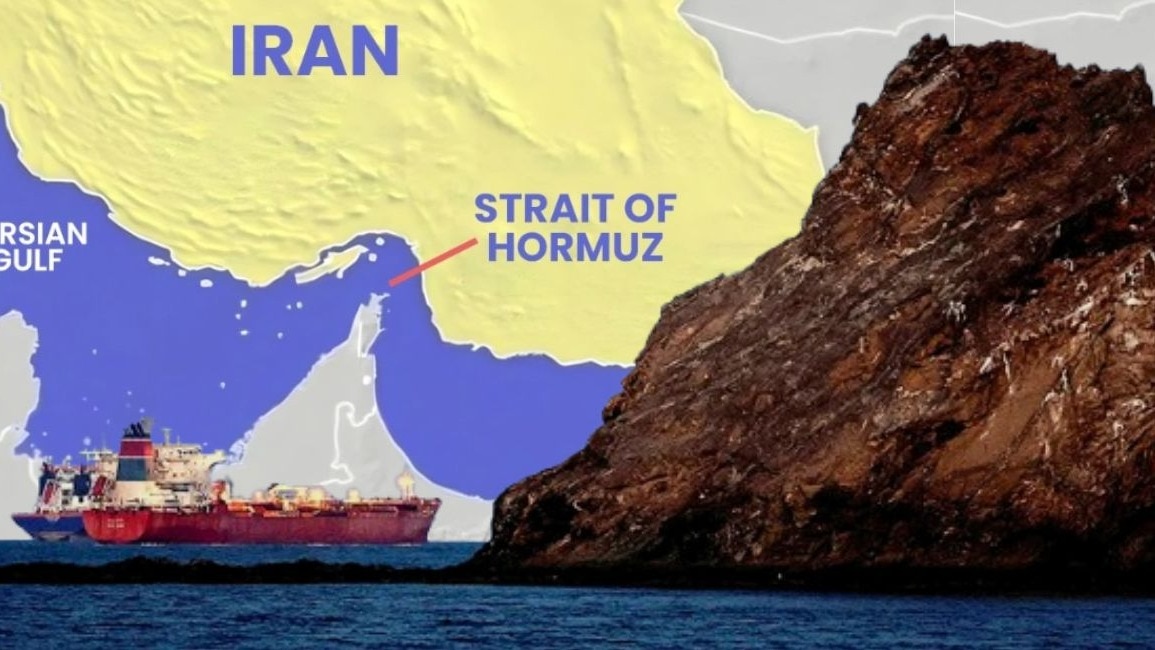
The Centre on Tuesday announced a series of measures to track Indian seafarers operating in the Strait of Hormuz and assist the families of those killed or injured, following the death of another sailor amid the ongoing US-Iran conflict. The steps include an operational dashboard to track every Indian seafarer aboard every vessel, regardless of its flag, and the appointment of a dedicated liaison officer for each affected family. Read Full Story The decisions were taken at an inter-ministerial meeting chaired by Union Minister for Ports, Shipping and Waterways Sarbananda Sonowal soon after fresh attacks on two oil tankers carrying Indian crew. The government said its response would remain ‘seafarer-first’ as the security situation worsens across West Asia. The review came after attacks on the UAE-flagged vessels MT Al Bahiyah and MT Mombasa in the Strait of Hormuz. The two ships had 30 Indian seafarers among a combined crew of 46. One Indian seafarer was killed aboard MT Al Bahiyah, taking the death toll among Indian sailors to nine since the war began on February 28. Another crew member on the vessel was injured, while nine Indian nationals aboard MT Mombasa were also injured, including two who remain in critical condition.
At the meeting, attended by Minister of State Shantanu Thakur, senior officials from the Ministry of Ports, Shipping and Waterways, the Ministry of External Affairs, the Indian Navy, the Directorate General of Shipping and Indian missions in Iran and Oman, the government reviewed the security situation across the Persian Gulf, the Strait of Hormuz and the Gulf of Oman. Officials assessed the risks facing Indian seafarers and examined India's contingency and emergency response mechanisms. Expressing grief over the attacks, Sonowal said India had strongly objected to strikes on defenceless civilian merchant vessels. He said he was "profoundly hurt and aggrieved" by the latest death and injuries, conveyed condolences to the bereaved family and said the government would ensure that affected families were supported and cared for. As part of the response, Sonowal directed the Director General of Shipping to create a vessel-by-vessel operational dashboard covering every Indian seafarer on ships operating in the Persian Gulf, the Strait of Hormuz and the Gulf of Oman. The system is to provide real-time details on vessel position, ownership, cargo, crew strength, crew welfare, threat assessment, intended voyage, next port of call and available facilities.
He said every Indian seafarer in the affected region must be individually accounted for, irrespective of the vessel’s flag, and stressed that there could be no compromise on their safety and security. The ministry was also asked to maintain round-the-clock coordination with the Ministry of External Affairs, the Ministry of Petroleum and Natural Gas, the Ministry of Chemicals and Fertilisers, the Indian Navy, the Directorate General of Shipping and Indian missions in the region. For families of those affected, the minister ordered the appointment of a dedicated liaison officer for every Indian seafarer impacted by the crisis. The officer will act as the ‘single point of contact’ and coordinate medical updates, travel documentation, family assistance, repatriation, support from the Seafarers Welfare Fund, outstanding wages, contractual entitlements and other compensation. Officials were told to work closely with Indian missions in Iran, Oman and the United Arab Emirates, as well as with authorities in other affected countries, to obtain verified and real-time information on navigational safety, coastal-state advisories, route status, port-of-refuge arrangements, hospitals, medical evacuation, repatriation procedures, management of mortal remains and the status of ongoing investigations.
 The BriefWire