‘Oil And Gas For Everyone Or No One’: Iran Threatens To Halt West Asia Energy Exports
‘Oil And Gas For Everyone Or No One’: Iran Threatens To Halt West Asia Energy Exports Published By, Last Updated: July 15, 2026, 08:35 IST
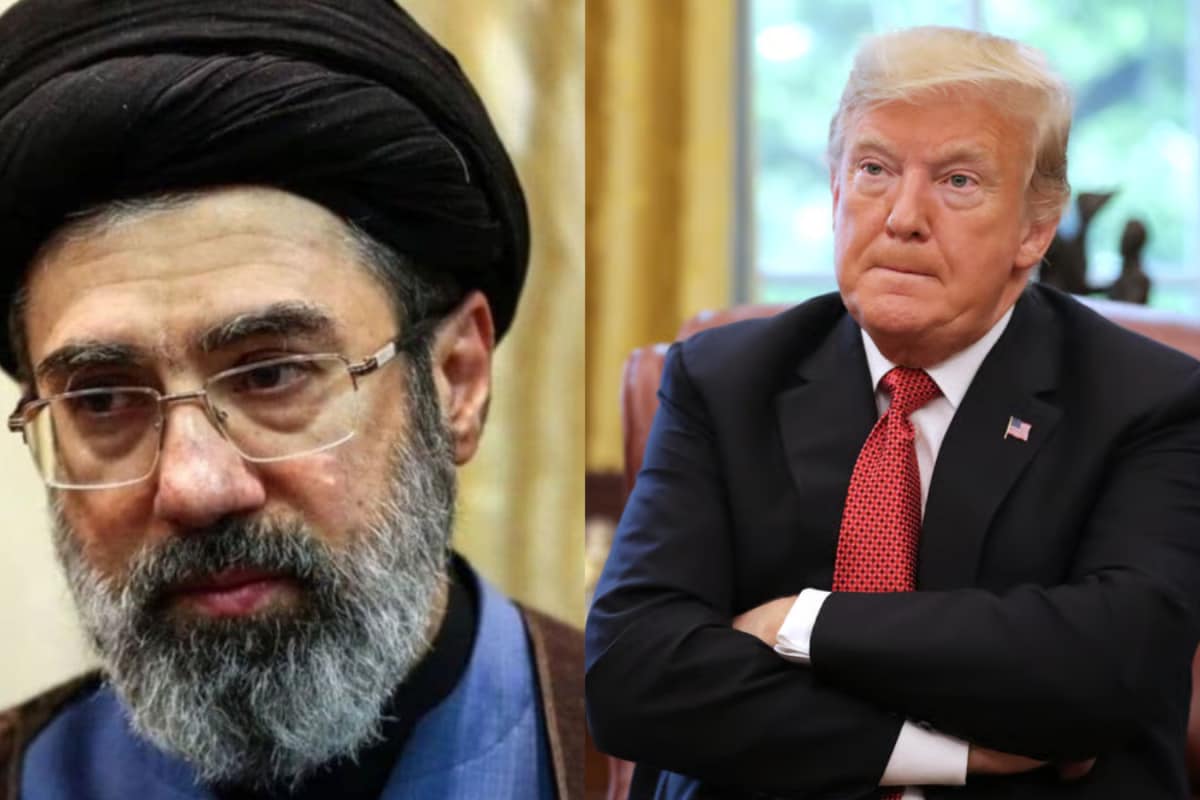
‘Oil And Gas For Everyone Or No One’: Iran Threatens To Halt West Asia Energy Exports Published By, Last Updated: July 15, 2026, 08:35 IST Iran-US War News: The US military reimposed a blockade on Iranian ports, accusing Tehran of attacking ships attempting to transit the Strait of Hormuz. Iran's Supreme Leader Mojtaba Khamenei and US President Donald Trump. (File Image) The Iranian Revolutionary Guard threatened to halt all oil and gas exports from West Asia, sharply escalating tensions with the United States after Washington reimposed a naval blockade on Iranian ports. “The export of oil and gas from the region will be either for everyone or for no one," the Revolutionary Guard said, linking the threat directly to the US decision to restore restrictions on Iran’s maritime trade. The warning came as the confrontation between Washington and Tehran intensified around the Strait of Hormuz, the narrow waterway through which roughly one-fifth of the world’s oil and natural gas passes during peacetime. Hormuz Standoff Deepens The US military early Wednesday reimposed a blockade on Iranian ports, accusing Tehran of attacking ships attempting to transit the Strait of Hormuz.
The move marked the collapse of an interim agreement reached in June that had paused hostilities and created a 60-day window for negotiations on issues including Iran’s nuclear programme. The blockade was first imposed in April and later lifted after the agreement was signed. However, talks stalled as military clashes around the strategic waterway intensified. The Strait of Hormuz remains one of the world’s most critical energy chokepoints, linking Gulf oil producers to international markets. Any disruption to shipping through the passage can have significant implications for global energy prices and supply chains. As the blockade returned, both sides launched fresh military operations. The US military said it carried out another wave of strikes against dozens of targets over a seven-hour period. At the same time, missile alerts were triggered in Bahrain and Kuwait amid incoming Iranian attacks. US Central Command chief Admiral Brad Cooper said Iran had launched dozens of missiles and drones at neighbouring Gulf Arab countries hosting American military forces. “US forces are holding Iran accountable for unwarranted aggression that continues to endanger innocent lives," Cooper said.
According to US military officials, at least 19 American warships are currently deployed in the Arabian Sea, including two aircraft carriers and an amphibious assault ship carrying more than 1,000 Marines. The Pentagon has also maintained hundreds of military aircraft across the Middle East. Trump Drops Strait Fee Plan US President Donald Trump, who announced the return of the blockade, had initially proposed imposing a 20% fee on ships passing through the Strait of Hormuz. However, Trump later dropped the plan after discussions with Gulf allies. Trump said regional leaders had proposed investing billions of dollars in the United States instead. “They said we’d love to do it a different way. We’d love to invest in the United States with billions and billions of dollars," Trump said. He added that he opposed charging tolls for passage through the strategic waterway. News18 Newsletter Handpicked stories, in your inbox A newsletter with the best of our journalism submit Key Questions Answered How would a Strait of Hormuz closure impact global oil prices? A closure of the Strait of Hormuz could lead to a sharp rise in crude oil prices globally.
 The BriefWire