'Can English Be Considered An Indigenous Indian Language?': SC Questions NEP's Three-Language Policy
'Can English Be Considered An Indigenous Indian Language?': SC Questions NEP's Three-Language Policy Published By, Last Updated: July 15, 2026, 08:25 IST SC questioned if
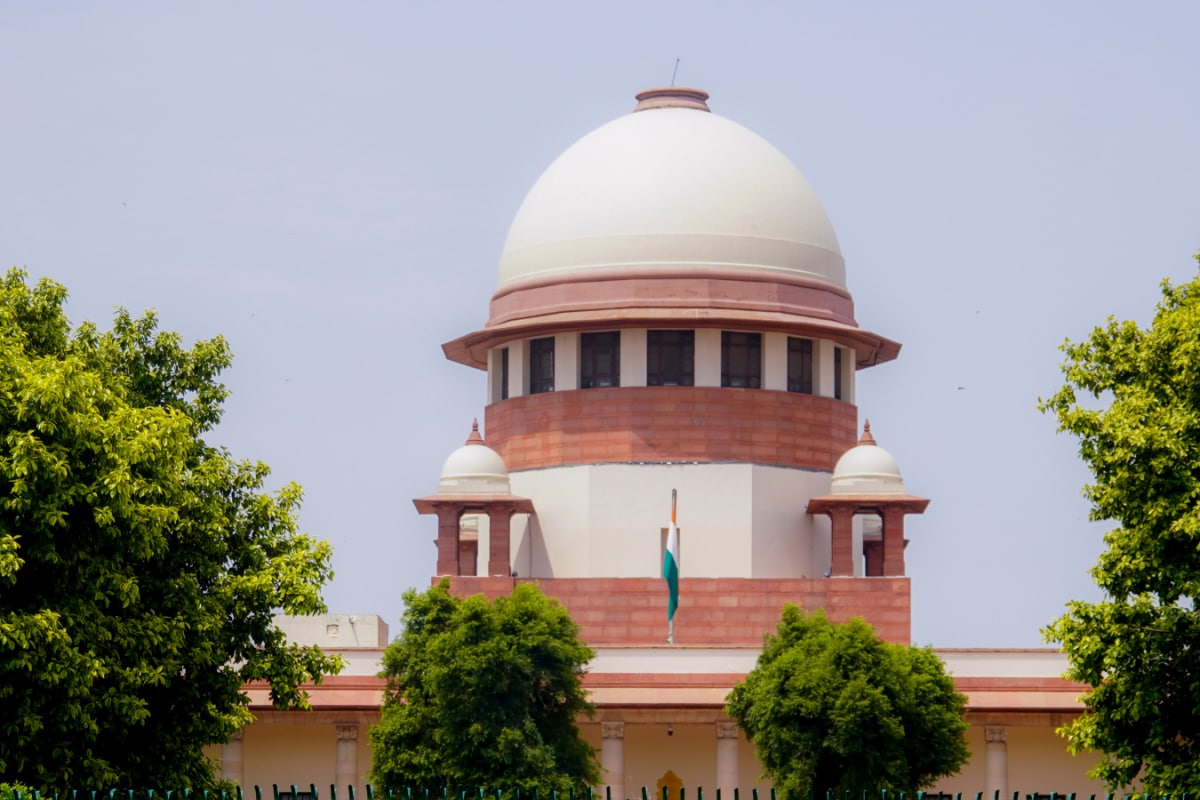
'Can English Be Considered An Indigenous Indian Language?': SC Questions NEP's Three-Language Policy Published By, Last Updated: July 15, 2026, 08:25 IST SC questioned if English is an indigenous Indian language while hearing pleas against NEP 2020's three-language framework. noted issues persist despite CBSE clarifications. Supreme Court of India (Photo: PTI) The Supreme Court on Tuesday questioned whether English could be considered an indigenous Indian language while hearing pleas challenging the CBSE’s implementation of the Education Policy (NEP) 2020’s three-language framework, with the Chief Justice also observing that issues with the policy continue despite recent clarifications issued by the Board. Hearing the matter, Justice J. Joymalya Bagchi questioned the terminology used in the policy and suggested that the expression “native Indian language" may require reconsideration. “What the authorities intended to do…under Constitution, it’s a constitutional goal that Indian languages will take over…encouragement is made…nomenclature may require some relook…how do we use ‘native Indian language’…but the spirit is clear. Can India consider English as an indigenous Indian language? Parsi at one time was official language of the court," Bagchi said. Appearing for the petitioners, senior advocate Gopal Sankaranarayanan argued that the policy leaves the choice of languages to states but raised concerns over its implementation. “Choice is left to the states," he said. ‘Learning Of Language Never Goes Waste’ He told the court that the NCERT had not yet made the promised learning material widely available.
Also Read: ‘Two Bhartiya Bhashas, One Non-Native’: CBSE Makes Third Language Internal Assessment Compulsory For Classes 9, 10 “We went to NCERT website few mins ago. Only 3 books. Not 22. Children being told to drop English and other foreign languages and take up native languages," Sankaranarayanan said. Chief Justice of India Surya Kant responded by observing, “Learning of language never goes waste", as the Supreme Court declined to stay the CBSE’s three-language policy introduced for the 2026-27 academic year. However, the also noted that concerns raised by the petitioners had not been fully addressed despite subsequent circulars issued by the CBSE. “Despite this circular of 29 June 2026, issues still survive," he said. Gopal Sankaranarayanan further argued that schools had been told textbooks would be ready by July 1 while teachers would have to be prepared to teach in all 22 scheduled languages. “They have said by July 1, textbooks will be ready. Teachers have to be ready for 22 languages. This is damaging status quo," he said. Senior advocate Shyam Divan also submitted that concerns remained despite modifications made to the policy. “Despite dilution, there is a problem," Divan said. Seeking time to respond, Additional Solicitor General Aishwarya Bhati, appearing for the Centre, said, “We will file reply in 2 weeks." The, however, directed the Centre to file its response sooner.
 The BriefWire