Is every second person ill in Mumbai? Why monsoons bring a dangerous disease back
For many Mumbaikars, the monsoon now comes with an annual affliction. Someone in the family has a fever. A colleague calls in sick. WhatsApp groups
For many Mumbaikars, the monsoon now comes with an annual affliction. Someone in the family has a fever. A colleague calls in sick. WhatsApp groups are filled with messages about viral infections, dengue tests and lingering coughs. Hospitals and clinics begin seeing a stream of patients with flu-like symptoms as the rains intensify. "There seems to be an ongoing wave of influenza A cases on a scale that I haven’t seen before in Mumbai. Almost epidemic-like. Take care, folks. Wear a mask whenever outdoors," Mumbai-based surgeon Amit Thadani posted on X on Tuesday. Read Full Story It would be jumping the gun to pinpoint what exactly it is without public health officials' confirmation. However, most of the illnesses in Mumbai around this time of the year turn out to be seasonal viral infections. But doctors warn that one disease deserves far more attention than it usually gets: leptospirosis. "The rains and lack of them at present have changed Mumbai's health woes from enteric fever (pre-rains) to a massive spurt in respiratory aliments (influenza, including swine flu, RSV, atypical pneumonitis), occasional Covid (now picking up) and sporadic lepto. Maskup in public Mumbai," said Mandar Kubal, a Mumbai-based infectious diseases speacialist. WHAT IS LEPTOSPIROSIS? WHY DOES IT RETURN ANNUALLY TO MUMBAI? Often mistaken for a common viral fever in its early stages, leptospirosis is a bacterial infection that can rapidly turn life-threatening if left untreated.
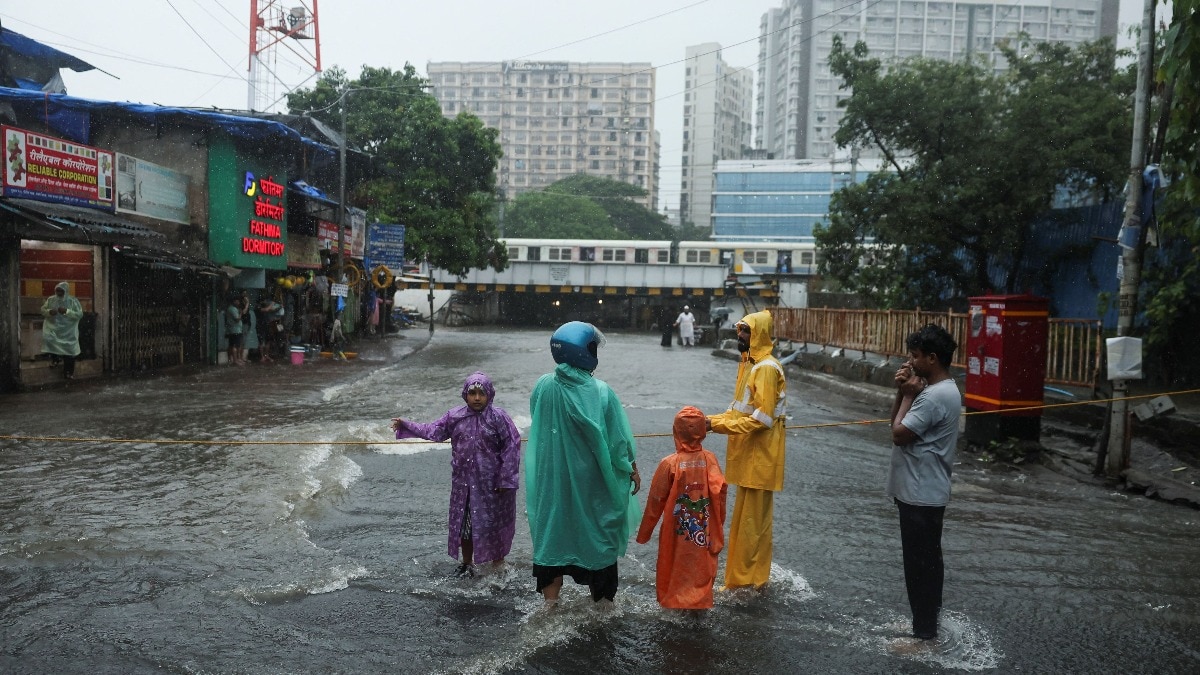
Every monsoon, Mumbai records fresh cases, with flooding, waterlogging and poor sanitation creating ideal conditions for the disease to spread. The concern comes as Mumbai has witnessed weeks of heavy rainfall, leaving several low-lying neighbourhoods waterlogged. Health experts say such conditions significantly increase the risk of exposure to the bacteria that causes leptospirosis. "Leptospirosis is caused by bacteria of the Leptospira genus. The bacteria are carried by infected animals, particularly rats, but also dogs, cattle and pigs. They are shed through urine, which can contaminate puddles, floodwater, mud and soil," Mumbai-based doctor Aishwarya Solanki told India Today Digital. "People become infected when contaminated water enters the body through cuts or abrasions on the skin, or through the eyes, nose or mouth. Simply walking barefoot or wearing open footwear through floodwater can increase the risk, especially if the skin is broken," she added. Mumbai's monsoon creates the perfect environment for transmission. During the rainy season, the city frequently sees waterlogging, overflowing drains and overflowing garbage bins, while its large rodent population increases the chances of contaminated water accumulating in public spaces. "This is why health officials often see a rise in leptospirosis cases after periods of heavy rain or flooding. The disease is not spread from person to person through casual contact," Solanki also said.
 The BriefWire