‘We Must Control All Of Hormuz’: Iran Says US ‘Completely Dismantled’ Deal, Withdraws From MoU
‘We Must Control All Of Hormuz’: Iran Says US ‘Completely Dismantled’ Deal, Withdraws From MoU Published By, Last Updated: July 15, 2026, 07:55 IST US-Iran
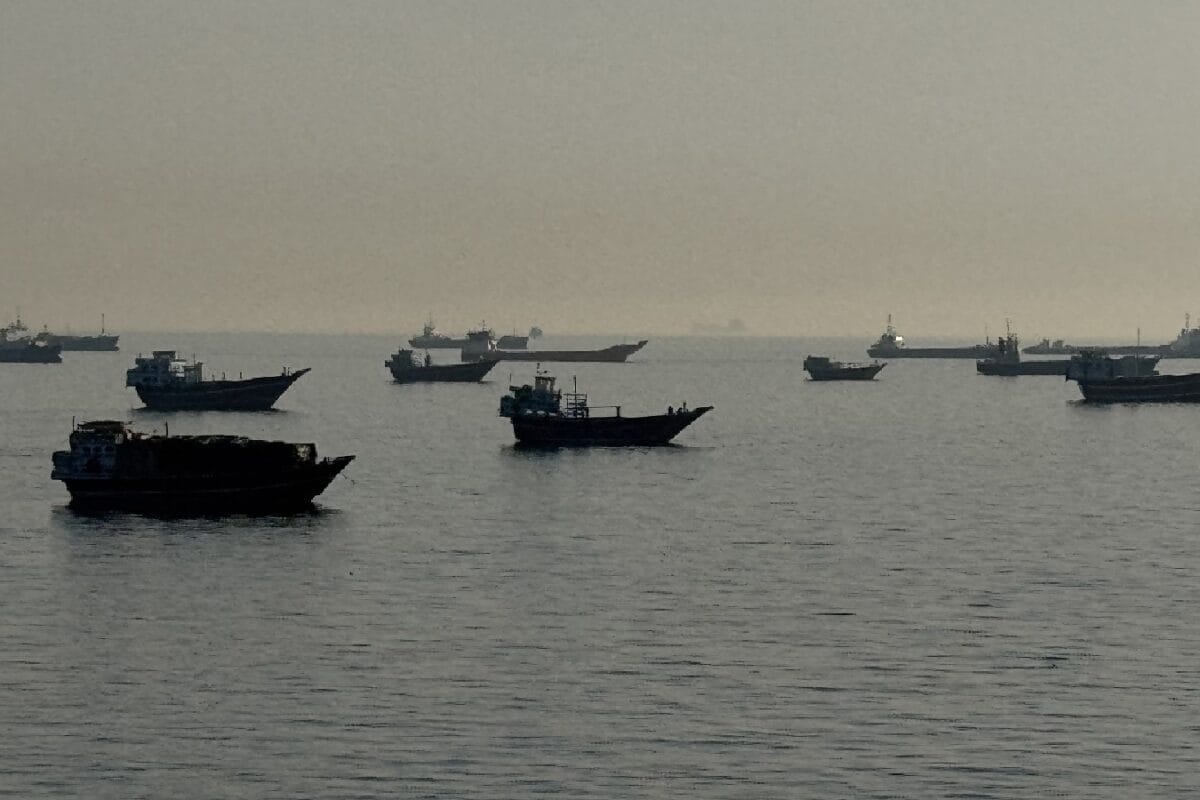
‘We Must Control All Of Hormuz’: Iran Says US ‘Completely Dismantled’ Deal, Withdraws From MoU Published By, Last Updated: July 15, 2026, 07:55 IST US-Iran War News: The Iranian Foreign Ministry announced that Tehran no longer considers itself bound by parts of the agreement reached to halt hostilities. Rapid Read Vessels are seen anchored in the Strait of Hormuz, off the port city of Khasab on Oman’s northern Musandam Peninsula on May 17, 2026. (IMAGE: REUTERS) US-Iran War News: Iran formally withdrew from its memorandum of understanding (MoU) with the United States, accusing Washington of violating and ultimately destroying last month’s truce agreement, as tensions over the Strait of Hormuz pushed the two sides closer to renewed conflict. The Iranian Foreign Ministry announced that Tehran no longer considers itself bound by parts of the agreement reached to halt hostilities, alleging that the US had repeatedly breached its commitments and effectively ended the deal by reimposing a naval blockade on Iranian ports. “The US not only violated the agreement but completely dismantled it," the ministry said, adding that Iran would no longer be obligated to fulfil portions of the truce.
The move came hours after the US military restored a blockade on Iranian ports, citing Tehran’s attacks on vessels attempting to transit the Strait of Hormuz. The blockade marked a major escalation in a conflict centred on one of the world’s most important energy chokepoints, through which nearly a fifth of global oil and natural gas supplies pass during peacetime. Iran’s Deputy Foreign Minister Kazem Gharibabadi said Tehran would exercise “full sovereignty over the Strait of Hormuz, no matter the costs". Gharibabadi said that although Oman normally shares control of the strategic waterway, “for national security reasons Iran must control all of the Strait" during wartime. The Iranian official also appeared to shut the door on diplomacy, declaring that Iran would “never request negotiations with the United States". Iran-US Truce Deal Unravels The latest developments represent a collapse of the interim agreement signed in June, which had created a 60-day window for negotiations on issues including Iran’s nuclear programme and maritime security. The US first imposed a blockade on Iranian ports in April before lifting it in mid-June, a day after the truce framework was agreed.
Talks subsequently stalled as military confrontations around the Strait of Hormuz intensified. US President Donald Trump announced the return of the blockade earlier this week, saying Iranian attacks on commercial shipping had made stronger action necessary. Trump had initially proposed imposing a 20% fee on vessels using the strait, but later abandoned the plan following objections from Gulf allies. The Strait of Hormuz has remained at the centre of the conflict since the war began earlier this year. Iranian attacks and threats against commercial shipping have repeatedly disrupted maritime traffic, sending oil and commodity prices sharply higher. News18 Newsletter Handpicked stories, in your inbox A newsletter with the best of our journalism submit Key Questions Answered What are the global implications of this Strait of Hormuz conflict? The Strait of Hormuz conflict has significant global implications, primarily impacting global energy markets and shipping routes. Could this escalation lead to a full-scale war in the region? The escalation between Iran and the US has pushed a fragile truce towards collapse, raising fears of wider regional conflict.
 The BriefWire