Govt Orders Real-Time Tracking Of Indian Seafarers After Strait of Hormuz Attacks Amid West Asia Crisis
Govt Orders Real-Time Tracking Of Indian Seafarers After Strait of Hormuz Attacks Amid West Asia Crisis Published By, Last Updated: July 15, 2026, 07:23 IST
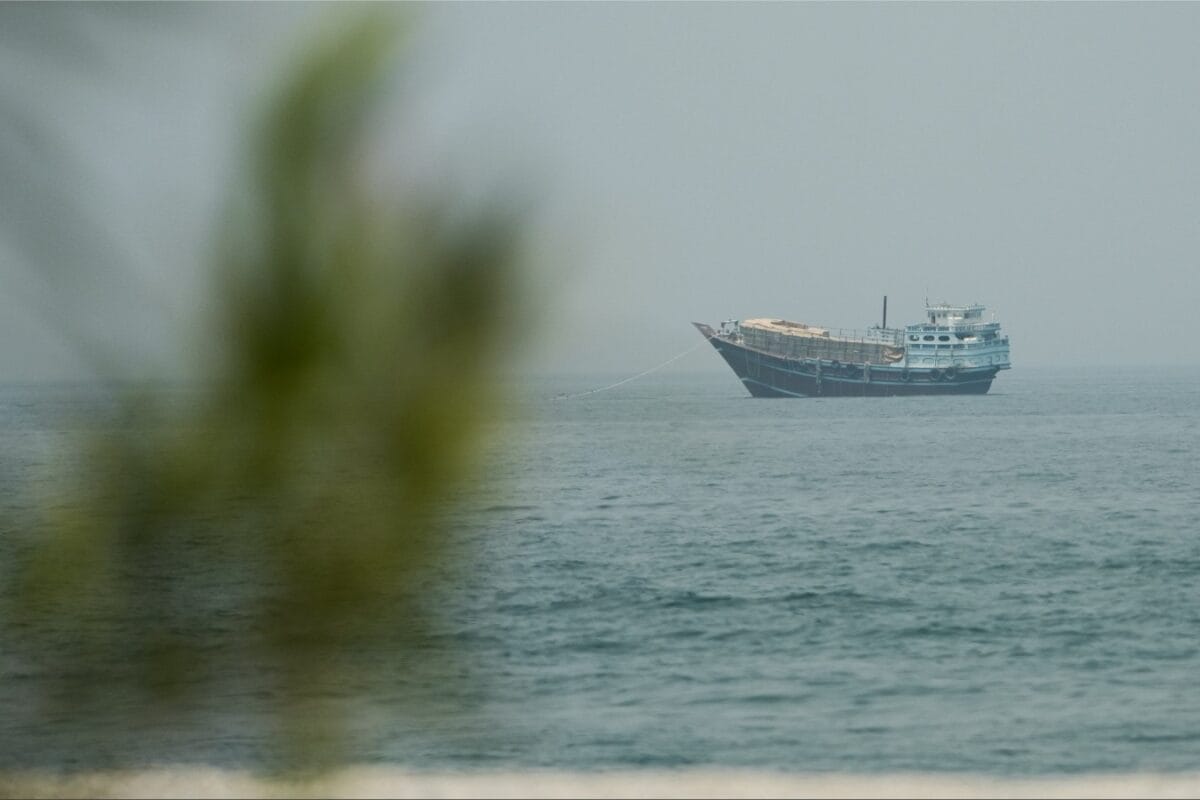
Govt Orders Real-Time Tracking Of Indian Seafarers After Strait of Hormuz Attacks Amid West Asia Crisis Published By, Last Updated: July 15, 2026, 07:23 IST The Centre has ordered a real-time dashboard to monitor every Indian seafarer operating in the Persian Gulf, Gulf of Oman and Strait of Hormuz. Centre directed the creation of a real-time dashboard tracking every Indian seafarer operating in the Persian Gulf, Strait of Hormuz and Gulf of Oman following recent attacks on merchant vessels (Photo: Reuters) With maritime tensions escalating in West Asia following attacks on commercial vessels in the Strait of Hormuz, the Centre has directed authorities to establish a real-time monitoring mechanism to track every Indian seafarer operating in the region, regardless of the flag under which their vessel is registered. According to a PTI report, Union Shipping Minister Sarbananda Sonowal on Tuesday instructed the Directorate General of Shipping (DGS) to create a comprehensive vessel-by-vessel operational dashboard covering ships operating in the Persian Gulf, Strait of Hormuz and Gulf of Oman. The move is aimed at strengthening oversight of Indian crew members and ensuring faster emergency response amid the evolving security situation. LIVE DASHBOARD TO TRACK EVERY INDIAN SEAFARER The proposed dashboard will provide real-time information on vessel location, ownership, cargo, crew strength, crew welfare, threat perception, voyage plans, next port of call and the availability of support facilities. The minister directed that every Indian seafarer in the affected waters must be individually accounted for, irrespective of the vessel’s flag. Emphasising that the welfare of Indian seafarers remains the government’s top priority, Sonowal said, “There can be no compromise whatsoever on the safety and security of Indian seafarers." ALSO READ | 5 Months, Multiple Strikes, 15 Deaths: How Indian Seafarers Paid The Price Of US-Iran Conflict The directive was issued during a high-level inter-ministerial review meeting convened to assess the security situation in the Gulf region.
REVIEW HELD AFTER ATTACKS ON TWO MERCHANT VESSELS The review came after attacks on two merchant vessels, MT Al Bahiyah and MT Mombasa, in the Strait of Hormuz. Together, the two ships had a crew of 46 people, including 30 Indian seafarers. According to the official statement cited by PTI, one Indian seafarer was killed and another sustained injuries aboard MT Al Bahiyah, while nine Indian nationals were injured on MT Mombasa. The meeting assessed the evolving security environment across the Persian Gulf, Strait of Hormuz and Gulf of Oman, reviewed risks faced by Indian seafarers and examined India’s contingency planning and emergency response preparedness. Among those present were Union Minister of State for Shipping and Waterways Shantanu Thakur, senior officials from the Ministry of Ports, Shipping and Waterways (MoPSW), the Ministry of External Affairs (MEA), the Indian Navy, the Directorate General of Shipping, Indian missions in Iran and Oman, and other maritime agencies. LIAISON OFFICER TO BE ASSIGNED TO EVERY AFFECTED INDIAN To streamline assistance for families of affected crew members, Sonowal directed that a dedicated liaison officer be appointed for every Indian seafarer impacted by the crisis. According to the statement, the liaison officer will serve as the single point of contact for families and coordinate medical updates, travel documentation, repatriation, family assistance, support under the Seafarers Welfare Fund, outstanding wages, contractual entitlements and compensation. ALSO READ | Another Indian Sailor Dies In Hormuz: Will Iran’s Tanker Strike Put India’s Balancing Act To Test? The minister also instructed officials to work closely with Indian missions in Iran, Oman and the United Arab Emirates, in coordination with the MEA, to obtain verified real-time information on navigational safety, coastal advisories, shipping routes, ports of refuge, hospitals, medical evacuation arrangements, repatriation procedures, handling of mortal remains and the status of ongoing investigations.
 The BriefWire