Centre Bars Imports Of Goods Produced Using Forced Labour After US Proposes 12.5% Tariff On India
Centre Bars Imports Of Goods Produced Using Forced Labour After US Proposes 12.5% Tariff On India Published By, Last Updated: July 15, 2026, 07:21 IST
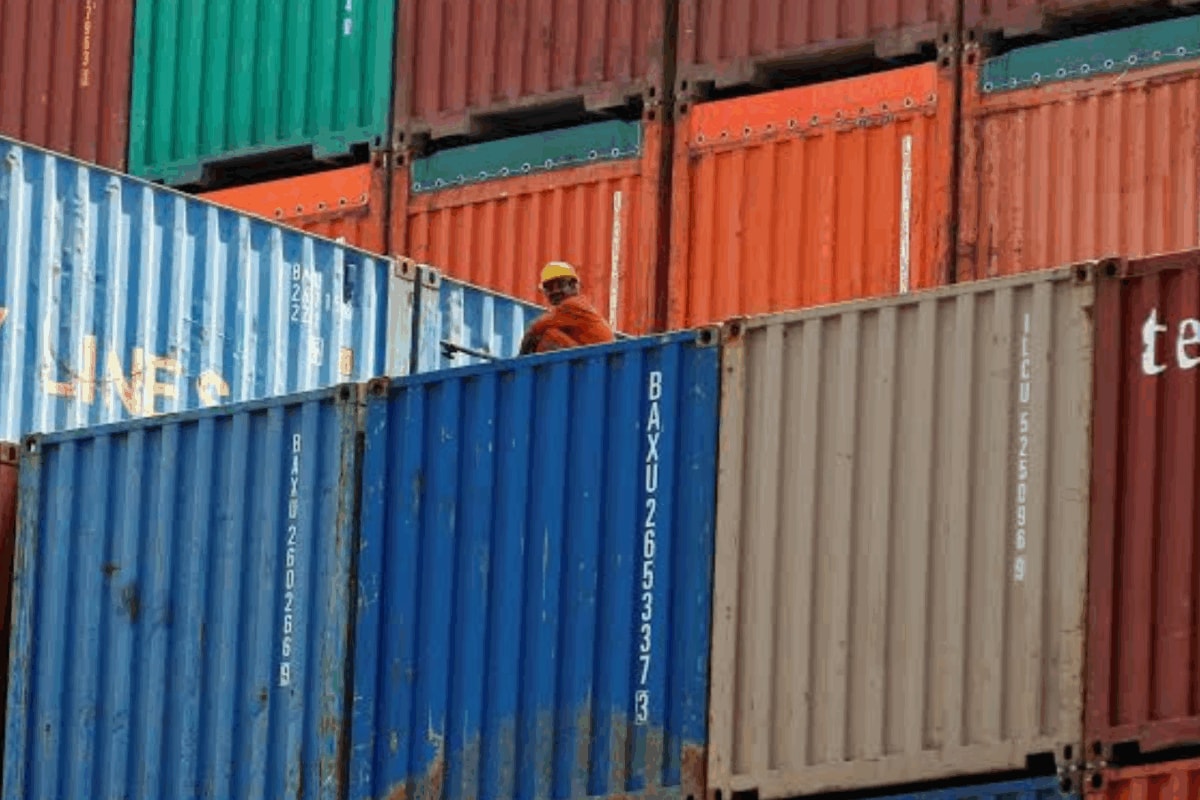
Centre Bars Imports Of Goods Produced Using Forced Labour After US Proposes 12.5% Tariff On India Published By, Last Updated: July 15, 2026, 07:21 IST The move comes against the backdrop of the US Trade Representative's (USTR) Section 301 investigations into forced labour practices across 60 countries, including India. A worker sits on a ship carrying containers at Mundra Port in the western Indian state of Gujarat. (Source: Reuters) The Centre has amended the Foreign Trade Policy (FTP) to prohibit the import of goods produced using forced labour, weeks after the United States proposed a 12.5 per cent tariff on India over its alleged failure to block such imports. The Directorate General of Foreign Trade (DGFT), through a gazette notification dated July 13, inserted a new provision in the Foreign Trade Policy (FTP) 2023 stating: “The import of goods produced or manufactured, wholly or in part, through the use of forced labour is prohibited." The move comes against the backdrop of the US Trade Representative’s (USTR) Section 301 investigations into forced labour practices across 60 countries, including India. The USTR has alleged that these countries have failed to effectively enforce import bans on goods made using forced labour. On June 3, the US proposed imposing a 12.5% tariff on imports from 54 countries, including India, for allegedly failing to prohibit the import of goods produced with forced labour. Also Read: From 500% To 100%: US Eases Tariff Threat On India, China In Revised Russia Sanctions Bill It also proposed an additional 10% tariff on six countries – Canada, Ecuador, the European Union, Indonesia, Mexico and Pakistan – after they introduced domestic measures banning imports made with forced labour.
The latest notification does not immediately prohibit imports of any specific product or from any particular country. Instead, it creates a legal framework enabling the government to ban identified goods through future notifications based on investigations conducted by the DGFT. According to the notification, the Central Government may prohibit the import of specific goods if, based on an inquiry or other relevant evidence, it finds that such goods have been produced using forced labour. The procedure for conducting these inquiries will be prescribed in the Handbook of Procedures, 2023. The notification will come into force 30 days after its publication in the Official Gazette. The DGFT has also introduced a new definition of “Forced Labour" under Chapter 11 of the FTP, adopting the definition contained in the ILO Forced Labour Convention, 1930 (No. 29). It defines forced labour as all work or service exacted from any person under the menace of any penalty and for which the person has not offered themselves voluntarily. The development comes as India and the US continue negotiations on a proposed bilateral trade agreement (BTA). Commenting on the move, think tank GTRI said the order establishes a legal framework rather than an immediate import ban. “Its effectiveness will depend on how the government conducts investigations, the evidence required to establish forced labour, and the products it ultimately targets," GTRI Founder Ajay Srivastava said. Srivastava said the notification indicates that India is strengthening its domestic legal framework in line with international standards, a step that could bolster its position in future trade negotiations and market-access discussions.
 The BriefWire