How Turkey's 2016 coup attempt changed the country for good
Ten years ago, parts of the Turkish military attempted to overthrow the government of President Erdogan. The consequences of the failed coup continue to shape
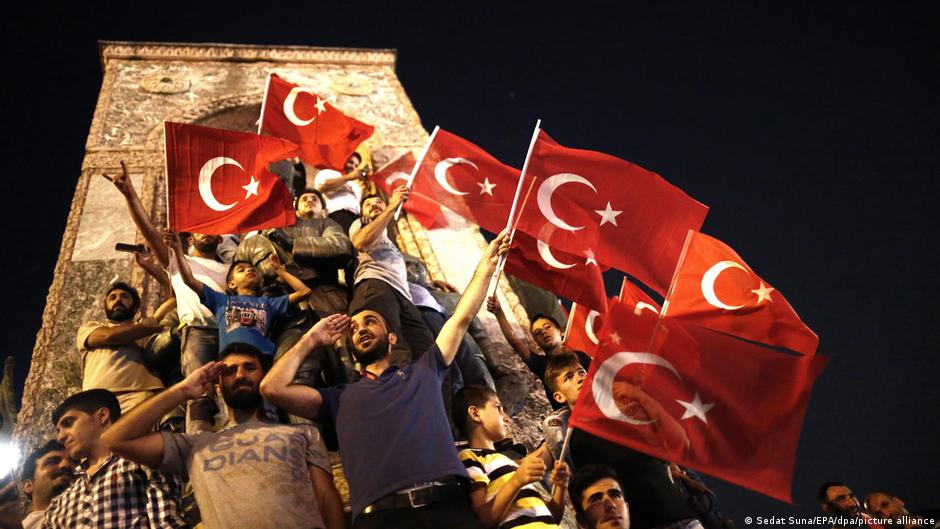
Ten years ago, parts of the Turkish military attempted to overthrow the government of President Erdogan. The consequences of the failed coup continue to shape Turkey to this day. A look back. It was the evening of July 15, 2016. A warm summer day was coming to an end. Many people were spending their Friday evening with friends or family, looking forward to the weekend. There was nothing to suggest that Turkey was about to be fundamentally transformed. Then, just a few hours later, tanks were rolling through the streets. Fighter jets flying over Ankara and Istanbul. Soldiers blocking the Bosphorus Bridge, the link between Europe and Asia. The parliament in Ankara came under fire. Turkish President Recep Tayyip Erdogan called on the public via a video call broadcast to take to the streets and stop the coup. The coup attempt failed that very night, but its political consequences continue to influence the country to this day. The evening of July 15, 2016 turned into a night that changed the country to this day Image: Tolga Bozoglu/dpa/picture alliance July 15, now a national holiday The Turkish government blamed the Gulen movement for the coup attempt. Its founder, the Muslim cleric Fethullah Gulen, was once considered a close ally of Erdogan. Together, they played a key role in curbing the political influence of the Turkish military and expanding Erdogan's power. Later, the alliance fell apart. By 2016, Gulen had been living in exile in the United States for years.
The government accused Gulen of having infiltrated the judiciary, police, military, and other state institutions with followers over decades in an effort to undermine the state. Gulen and his followers denied any involvement in the coup. Many high-ranking military officials with alleged ties to Gulen were arrested. Gulen died aged 83 in the US in 2024. In Turkey, July 15 is now a national holiday. The former Bosphorus Bridge was renamed the "Bridge of the Martyrs of July 15." It commemorates the people who lost their lives that night. According to official figures, 253 people died, most of them civilians. Many streets, squares and schools also bear the name "July 15". However, the anniversary is not just about commemorating the victims. It also marks a profound political turning point. The Gulen movement was designated a terrorist organization, and its alleged supporters were largely extracted from the state apparatus. Six days after the coup, parliament approved a state of emergency. It was initially limited to three months but was extended seven times and did not end until July 19, 2018. During those two years, the president governed largely by emergency decrees, issuing 32 decrees in total. The consequences of these political purges have been enormous. More than 125,000 members of the civil service and the armed forces were dismissed. According to official figures, approximately 390,000 people had been detained or arrested between 2016 and 2025 on suspicion of ties to the Gulen movement.
 The BriefWire