Strait of Hormuz remains a fault line as Iran and US drift back into war
Tehran has found backing for that word in the very vague details of the deal - known as a memorandum of understanding - which was
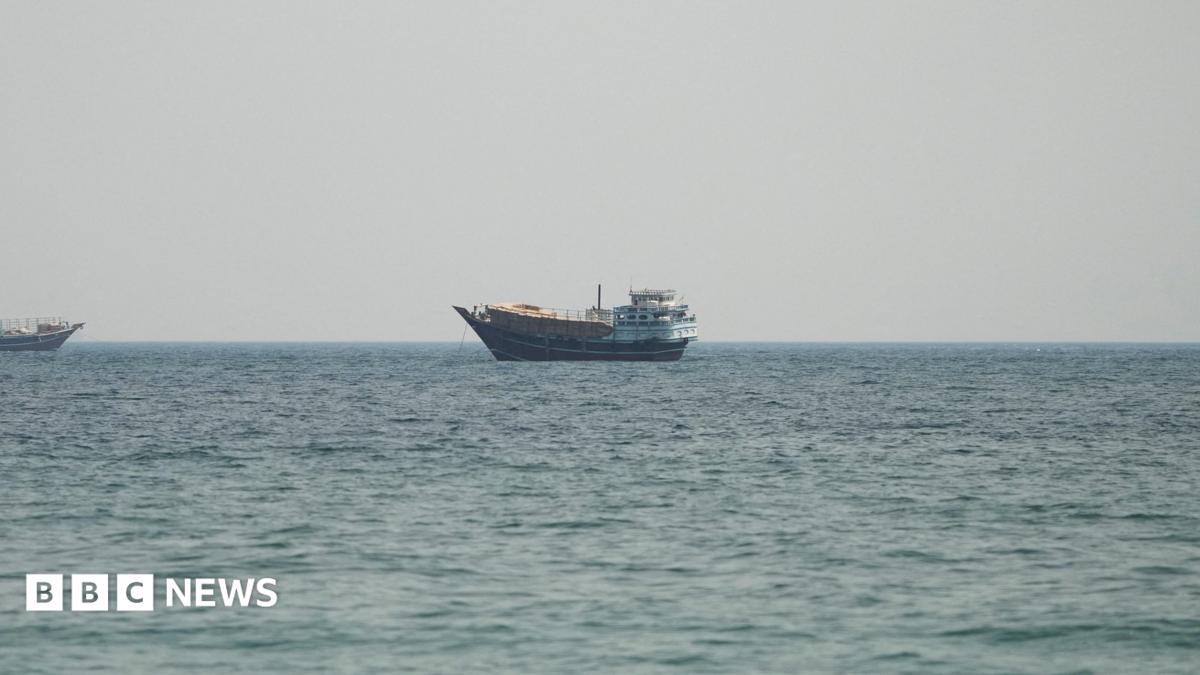
Tehran has found backing for that word in the very vague details of the deal - known as a memorandum of understanding - which was drafted in haste in June. It has been understood differently by both sides from the start. Iran sees in point five of the 14-point plan a green light, which gives it sway over the management of this critical maritime corridor. Point five reads: "The Islamic Republic of Iran will make arrangements using its best efforts for the safe passage of commercial vessels." The US reads that as saying Tehran has to open this strategic strait to the free flow of global oil and gas supplies, along with other vital commodities, including ingredients to produce fertiliser.
"You can drive a truck through those clauses," an Arab oil executive working in the region said. While the new leadership, which emerged in Tehran from weeks of all-out war and waves of US-Israeli assassinations, appears to be aligned on their broad strategic vision for this new chapter of the Islamic Republic, there are clear and growing signs of splits over how to move forward. "Some want to cash in on battlefield gains through diplomacy and some believe the ceasefire came too soon before Iran had inflicted enough pain on the US," assesses Robert Malley of the International Crisis Group, who was part of the US delegation that negotiated the landmark 2015 nuclear deal US President Donald Trump pulled out of in his first term.
Recent Iranian attacks on three vessels including a Qatari-flagged liquefied natural gas tanker, moving through a shipping corridor close to Oman's coastline to the south, were described by a diplomatic source in the region as the
work of a "rogue unit" within the Islamic Revolutionary Guard Corps (IRGC). In a system where the IRGC now plays a dominant role, Iran's non-negotiable red line is that vessels must now stick to its designated routes.
 The BriefWire