Why This European City Built 5,000 Underground Shelters For A Million People
Why This European City Built 5,000 Underground Shelters For A Million People Published By, Last Updated: July 14, 2026, 22:24 IST Finland's security concerns are
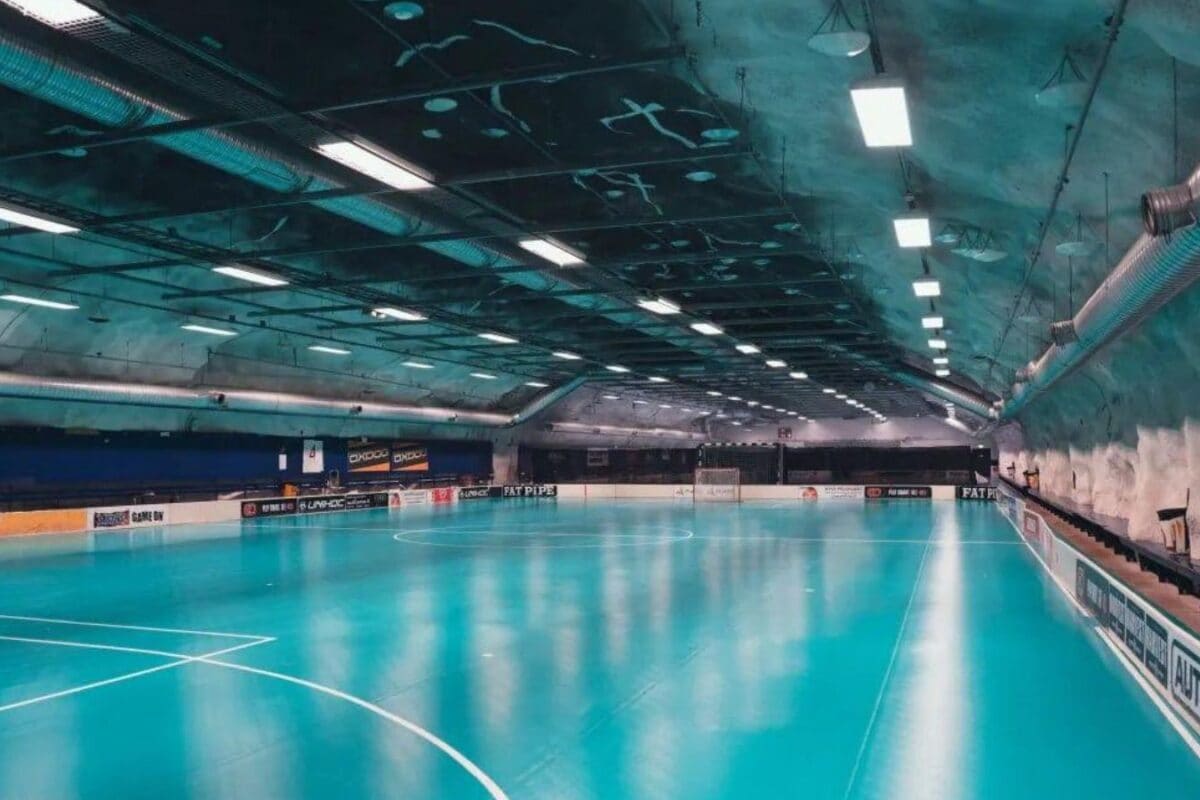
Why This European City Built 5,000 Underground Shelters For A Million People Published By, Last Updated: July 14, 2026, 22:24 IST Finland's security concerns are rooted in both geography and history. The country shares a 1,340-kilometre border with Russia, longest border between Russia and any NATO member. Hidden underground are Olympic-sized swimming pools, sports centres, indoor playgrounds, skating facilities, go-kart tracks, churches, archery ranges, and saunas. In normal times, residents use them for recreation and leisure. (Photo: X) Helsinki is home to more than 5,500 civil defence shelters capable of protecting nearly one million people in the event of war, missile strikes, chemical attacks, or even a nuclear emergency. The shelter capacity far exceeds the city’s population of around 680,000 and covers a large share of the wider metropolitan region. The extensive network reflects Finland’s long-standing security concerns about neighbouring Russia, concerns that have intensified since Moscow launched its full-scale invasion of Ukraine in 2022. A City Built For Peace And Crisis What makes Helsinki’s shelter system unique is that most of these facilities serve everyday purposes during peacetime. Hidden underground are Olympic-sized swimming pools, sports centres, indoor playgrounds, skating facilities, go-kart tracks, churches, archery ranges, and saunas. In normal times, residents use them for recreation and leisure. In a national emergency, however, these facilities can be converted into fully operational shelters within hours.
Heavy blast doors can be sealed, ventilation systems activated, and protective infrastructure deployed to shield people from explosions, radiation, and chemical threats. Finland’s preparedness strategy extends beyond existing shelters. Under Finnish civil defence regulations, new residential and office buildings above a certain size must include shelter facilities, ensuring that the network continues to expand. Why Finland Remains Wary Of Russia Finland’s security concerns are rooted in both geography and history. The country shares a 1,340-kilometre (830-mile) border with Russia, the longest border between Russia and any NATO member state. Helsinki lies less than 320 kilometres (200 miles) from St Petersburg, Russia’s second-largest city. The war in Ukraine has reinforced fears across Northern Europe about regional security. NATO leaders have repeatedly warned that Russia could pose a broader threat to European security in the coming years, prompting several countries to strengthen their defence capabilities. For Finland, however, preparedness is not a new policy. Unlike many European countries that reduced military spending after the Cold War, Finland maintained a strong national defence and civil protection system. The Historical Roots Of Finland’s Defence Strategy Finland’s modern security mindset was shaped by two major conflicts with the Soviet Union during World War II. The Winter War (1939–1940) In November 1939, the Soviet Union invaded Finland, expecting a swift victory.
 The BriefWire