Eating More Chilli Peppers May Increase Cancer Risk? What A New Study Claims
Eating More Chilli Peppers May Increase Cancer Risk? What A New Study Claims Published By, Last Updated: July 14, 2026, 21:23 IST Many digestive cancers
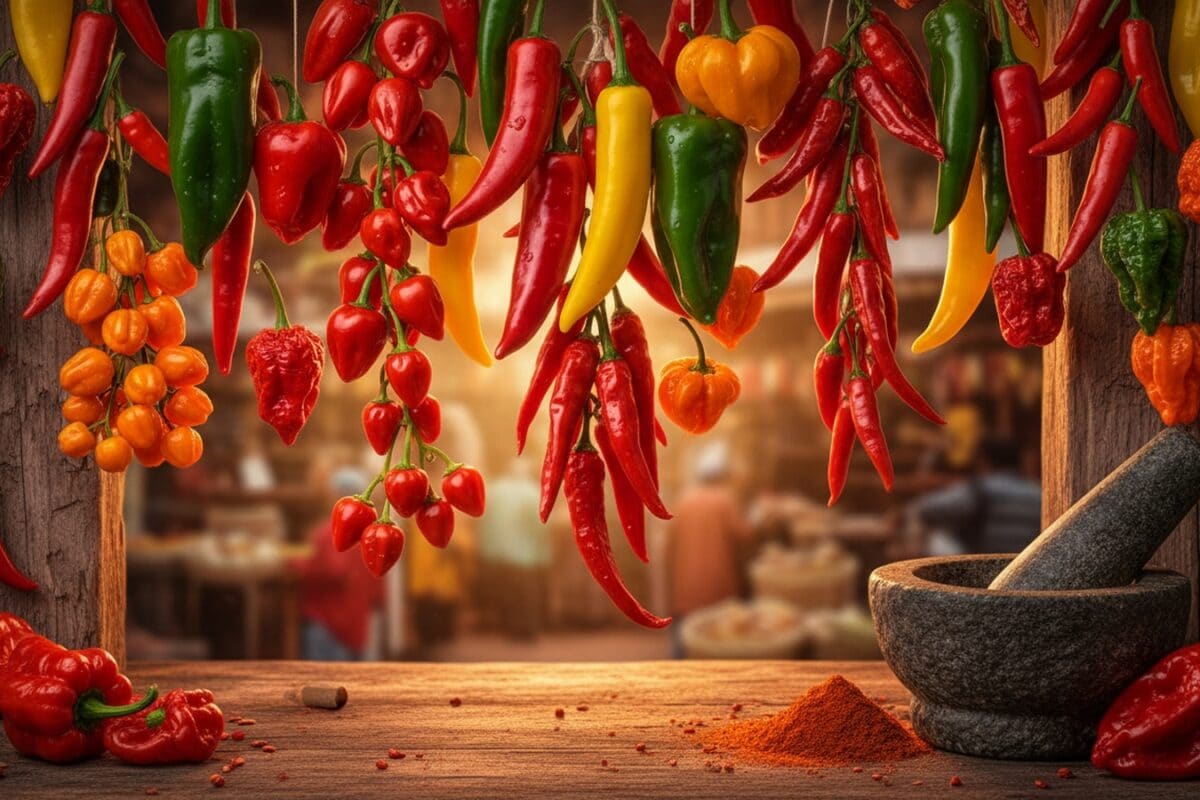
Eating More Chilli Peppers May Increase Cancer Risk? What A New Study Claims Published By, Last Updated: July 14, 2026, 21:23 IST Many digestive cancers are diagnosed at advanced stages, making researchers increasingly interested in understanding how diet and lifestyle factors may influence cancer risk. "Researchers say more studies are needed to confirm whether chilli peppers directly contribute to cancer risk." (AI-generated photo) A new study has raised concerns over whether high chilli pepper consumption could be linked to a higher risk of certain gastrointestinal cancers, particularly esophageal cancer. However, researchers have cautioned that the findings do not prove that eating chilli peppers directly causes cancer. A large review published in Frontiers in Nutrition found an association between heavy chilli intake and some digestive cancers but said stronger studies are needed to establish a clear cause-and-effect relationship, as per Science Daily. What Are Gastrointestinal Cancers? Gastrointestinal (GI) cancers are among the most common cancers worldwide, affecting organs involved in digestion, including the esophagus, stomach, and colon or rectum. Globally, GI cancers account for nearly 4.8 to 5 million new cases every year and contribute to around one-third of all cancer-related deaths. Many digestive cancers are diagnosed at advanced stages, making researchers increasingly interested in understanding how diet and lifestyle factors may influence cancer risk.
Why Are Scientists Studying Chilli Peppers? Chilli peppers are consumed by billions of people worldwide and are a key ingredient in cuisines across Asia, Latin America, and Africa. Their spicy taste comes from capsaicin, a compound that activates heat and pain receptors in the body. Previous laboratory studies have shown that capsaicin may have potential health benefits, including reducing inflammation, affecting metabolism, and slowing the growth of some cancer cells under certain conditions. However, other research has suggested that excessive exposure to capsaicin may contribute to tissue irritation or, in some situations, promote processes linked to tumour development. This conflicting evidence has made it difficult for scientists to determine whether chilli consumption is protective or harmful when it comes to cancer. What Did The New Study Find? Researchers analysed data from 14 observational studies involving more than 11,000 participants, including over 5,000 people diagnosed with gastrointestinal cancers. The review compared people who consumed the highest amounts of chilli peppers with those who ate the least. The researchers found that People with the highest chilli consumption were about 64% more likely to develop gastrointestinal cancers overall compared with those consuming the least amount. The strongest association was found with esophageal cancer.
 The BriefWire