What Mohan Bhagwat Told E CIC Quraishi During 'Rare' Meeting Between RSS, Muslim Leaders
What Mohan Bhagwat Told E CIC Quraishi During 'Rare' Meeting Between RSS, Muslim Leaders Reported By, Edited By Last Updated: July 14, 2026, 16:20 IST
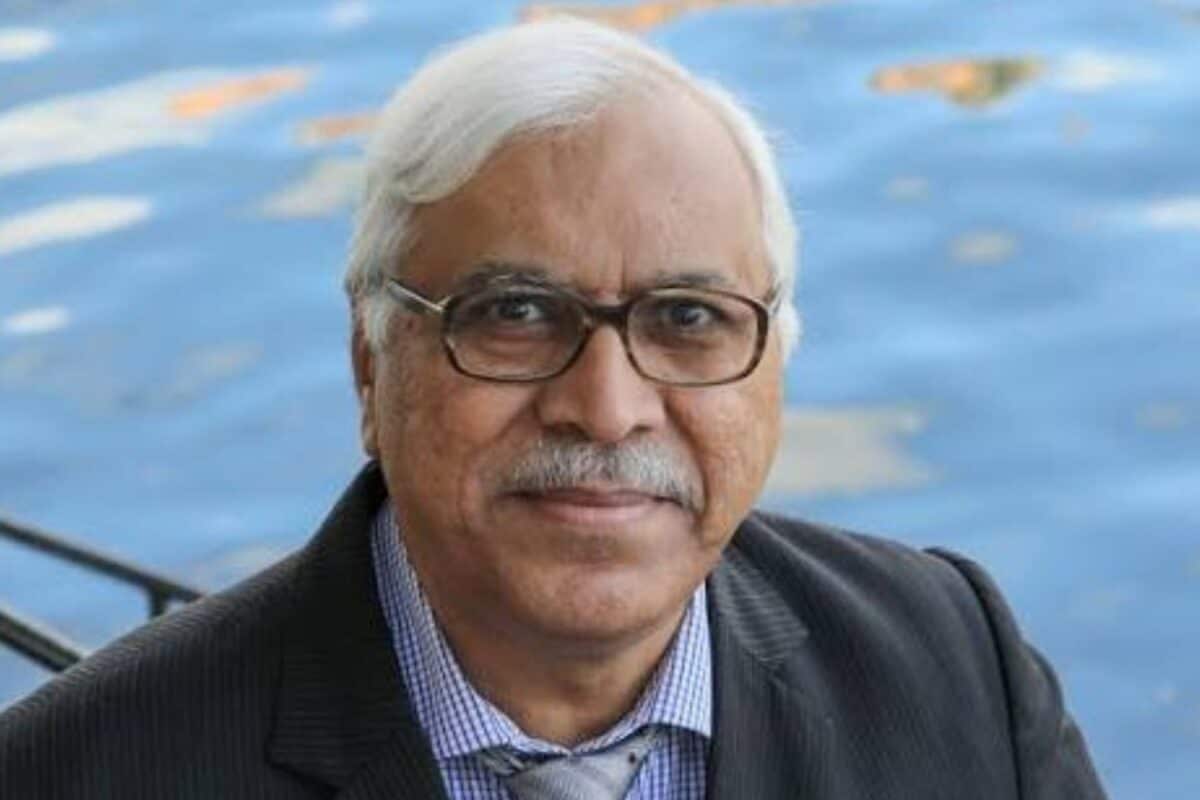
What Mohan Bhagwat Told E CIC Quraishi During 'Rare' Meeting Between RSS, Muslim Leaders Reported By, Edited By Last Updated: July 14, 2026, 16:20 IST SY Quraishi's latest book, India and I: A Hundred Memories, Not a Memoir, has generated considerable buzz for its revelations about the UPA years Rapid Read Chief Election Commissioner SY Quraishi Chief Election Commissioner SY Quraishi’s latest book, India and I: A Hundred Memories, Not a Memoir, has generated considerable buzz for its revelations about the UPA years. The book chronicles his tenure as CEC as well as his earlier stint as Director General of Doordarshan. One of the more sensitive themes Quraishi addresses is his identity as a Muslim. He recalls that he was the first Muslim IAS officer in Haryana and writes about being advised against taking charge of Mewat (now Nuh), then a socio-economically backward district with a strong anti-Muslim bias. He acknowledges that it was a challenging posting, but says his focus on governance ensured that his religion never became the defining aspect of his work.
The book also recounts his run-in with BJP MP Nishikant Dubey, who referred to him as a “Muslim CEC". Quraishi responds in the book: “I was not a Muslim Commissioner. I was the CEC who happened to be a Muslim." Interestingly, Quraishi was part of a delegation that met RSS chief Mohan Bhagwat and other RSS leaders on August 22, 2022. According to the book, the meeting was initiated by the RSS amid growing reports of insecurity among Muslims. Along with Quraishi, the delegation included several prominent Muslim personalities, including former Lieutenant Governor Najeeb Jung and Saeed Sherwani. The delegation conveyed concerns over rising incidents of lynching and public calls for violence against minorities. Quraishi writes that Bhagwat assured the delegation that the Constitution remained supreme and that India was an inclusive nation. The former CEC also notes that the delegation acknowledged that Muslims must respect Hindu sentiments regarding the cow. Recalling the meeting, Quraishi writes that he told Bhagwat: “We have nothing to lose and everything to gain by talking. Silence divides. Dialogue is the only way ahead." The book has also acquired renewed relevance at a time when the Opposition has launched an offensive against the Election Commission and moved an impeachment notice against the Chief Election Commissioner.
Quraishi recalls a conversation with former Prime Minister Dr Manmohan Singh after he had complained to the PM’s media adviser, Harish Khare, over certain issues concerning the Election Commission. According to the book, when Quraishi later met Dr Singh, the Prime Minister told him he would rather “commit suicide" than allow the CEC to believe that he was against the Election Commission. Dr Singh also made a remark that is likely to resonate in the current political context: “The Election Commission is not just India’s pride; it is the soul of our democracy. If we lose that, we lose everything." The book also revisits one of the Election Commission’s most debated decisions under Quraishi’s tenure—the directive to cover the elephant statues at the Noida memorial park built by then Uttar Pradesh Chief Minister Mayawati during the 2012 assembly elections on the grounds that they could violate the Model Code of Conduct. The decision was later upheld by the Allahabad High Court. While Quraishi stops short of directly criticising the present Chief Election Commissioner or his immediate successors, he writes that the Election Commission in recent years has struggled to restore and preserve the institution’s credibility.
 The BriefWire