Traders call Trump's Hormuz bluff at their peril
LONDON: Iran and the U.S. have both announced rival blockades of the Strait of Hormuz once again, crippling an already fragile ceasefire deal. This should
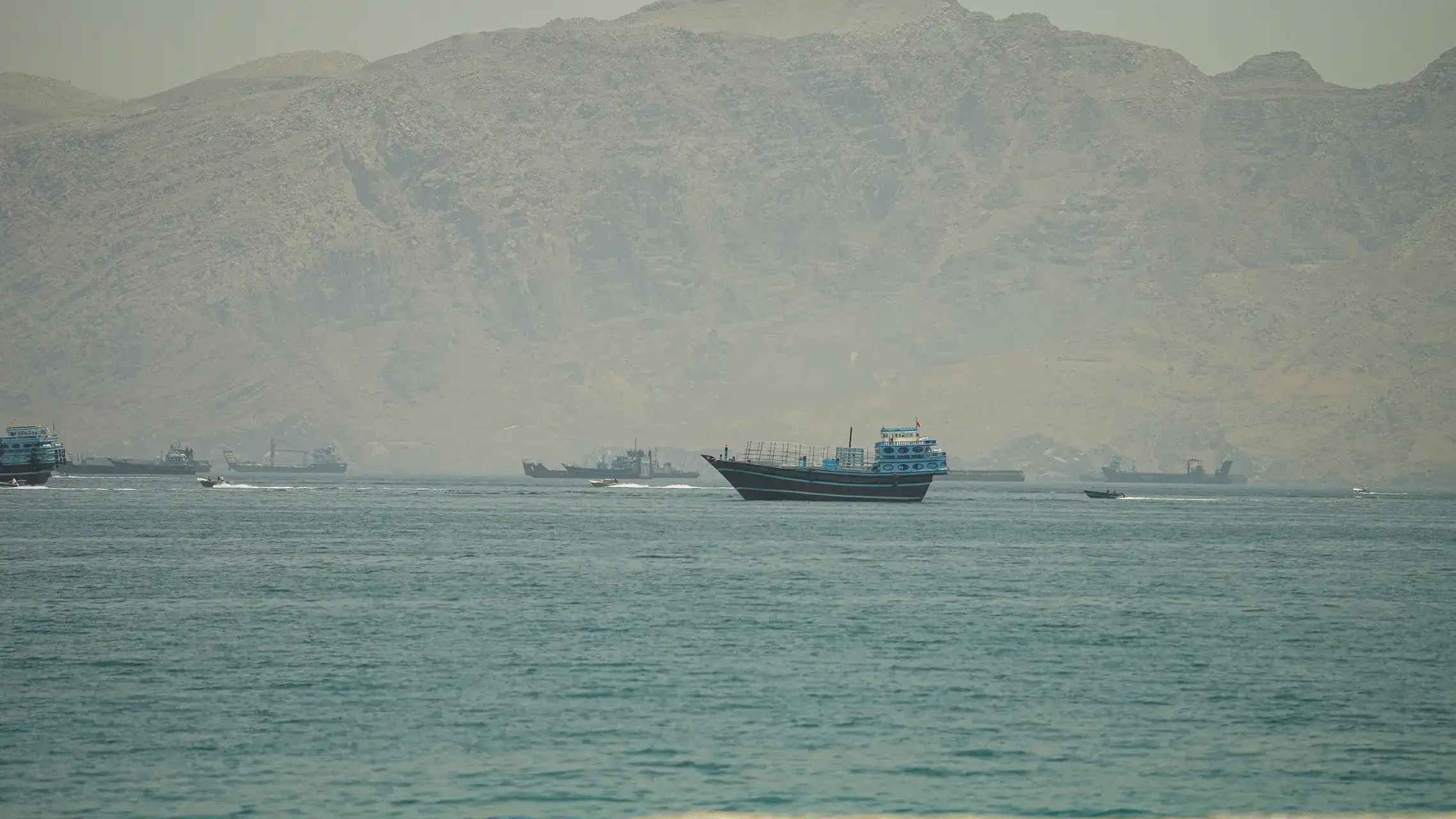
LONDON: Iran and the U.S. have both announced rival blockades of the Strait of Hormuz once again, crippling an already fragile ceasefire deal. This should alarm oil traders who had been pricing in a rapid return to normal. But markets appear sanguine - and that may be a miscalculation. The global oil and gas market proved remarkably resilient during the 108-day conflict, thanks in large part to the ample global reserves present before the war began on February 28. But the energy market is no longer protected by ample emergency stocks, so the margin for error has become a lot smaller. President Donald Trump said on Monday that the U.S. was reinstating its blockade of Iranian shipping in the Strait of Hormuz following Iran's declaration over the weekend that it was closing the waterway amid fresh missile and drone attacks between the two sides. This leaves the June 17 interim ceasefire on shaky ground. Trump also said Washington would become the "guardian of the Hormuz Strait", ensuring the shipping chokepoint - through which a fifth of global oil and liquefied natural gas supplies previously transited - remained open to all other vessels. In turn, the U.S. would be reimbursed at a rate of 20%, Trump added. Meanwhile, Yemen's Iran-aligned Houthis on Monday threatened to disrupt ships transiting the Red Sea to the Suez Canal, potentially opening a new front in the regional war which could challenge cargoes seeking to bypass the strait. The oil market response to all this has been surprisingly subdued.
Global benchmark Brent crude futures have risen over 10% to above $80 a barrel since the latest round of tit-for-tat attacks erupted last Tuesday. That rise may be significant, but prices remain well below the wartime peak of $118 reached in late March. Investors appear to be discounting the chances of a return to full-scale war and a complete shutdown of oil and gas flows through Hormuz. That is a reasonable assumption - but it is still a risky one. WHO BLINKS FIRST? Neither side appears eager to return to war. Iran has been severely weakened by months of U.S. and Israeli bombardment and stands to receive a substantial economic windfall from the interim agreement due to promised sanctions relief, unfrozen funds and potential investment. A renewed conflict would put all that at risk. Trump, meanwhile, is unlikely to welcome a surge in domestic gasoline prices during the peak summer driving season, especially in the months before the crucial midterm elections in November. Trump's proposal to impose a fee on Hormuz transits also appears highly fanciful. For decades, the U.S. has championed freedom of navigation. Any attempt to impose mandatory tolls on vessels merely passing through an international strait would face formidable legal challenges. The U.N. shipping agency said as much on Monday: "There is no legal basis through which to introduce mandatory tolls simply to transit through a strait." Does this mean Iran and the U.S. will refrain from implementing their respective blockades? Probably not. Both sides likely believe short-term blockades will do little damage to their respective positions.
 The BriefWire