Food To Fuel: Why Rice Being Used In Ethanol Blending Is Now Under Scanner
Food To Fuel: Why Rice Being Used In Ethanol Blending Is Now Under Scanner Published By, Last Updated: July 14, 2026, 13:22 IST The row
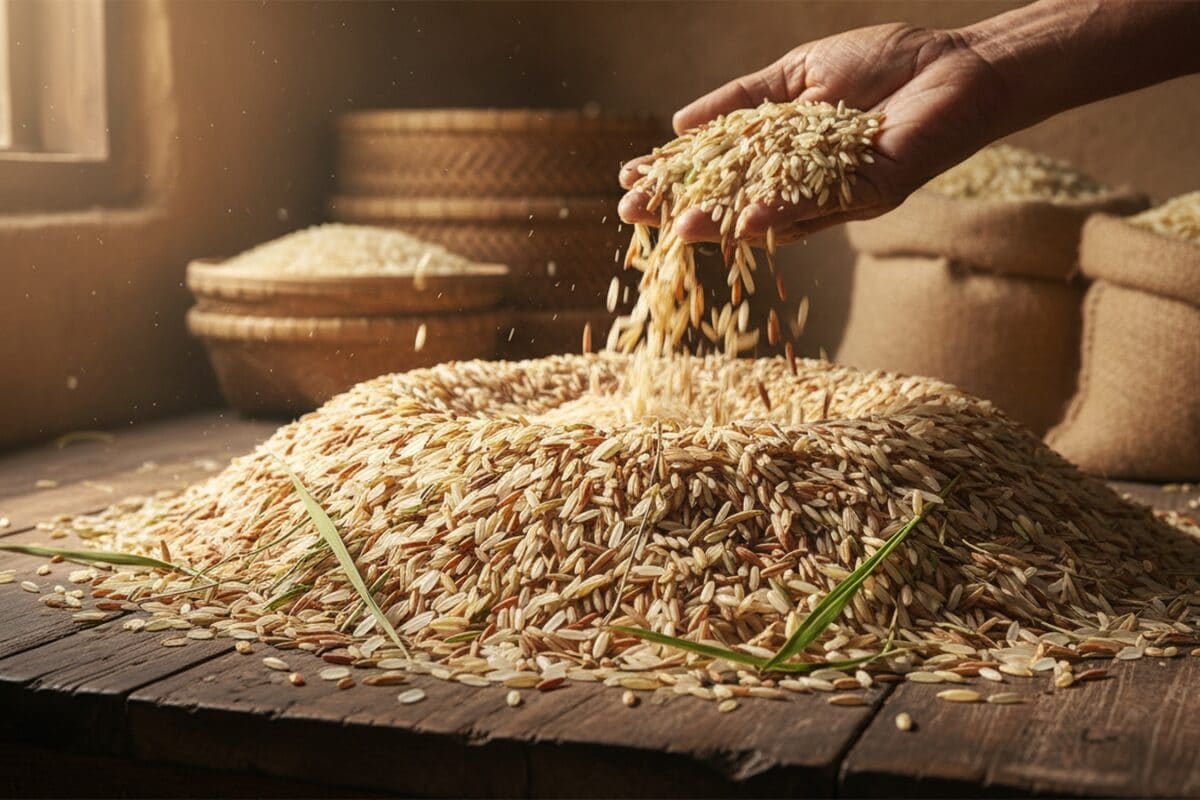
Food To Fuel: Why Rice Being Used In Ethanol Blending Is Now Under Scanner Published By, Last Updated: July 14, 2026, 13:22 IST The row intensified after the Food Corporation of India (FCI) pushed back against reports describing the case as a Rs 1,160-crore "rice-ethanol scam". Rapid Read Surplus food grains - including maize and rice that are not required for the public distribution system or buffer stocks - were brought into the ethanol programme. (AI generated image) India’s ethanol blending programme has found itself at the centre of a fresh controversy after allegations of subsidised rice meant for ethanol production being diverted in Madhya Pradesh. The row intensified after the Food Corporation of India (FCI) pushed back against reports describing the case as a Rs 1,160-crore “rice-ethanol scam", saying such claims were factually incorrect and did not reflect the current findings of the investigation. According to the FCI, the probe was triggered after a single truck carrying rice allocated for ethanol production was allegedly found at a private rice mill instead of its designated destination. The corporation said the seizure involved 490 bags of rice valued at around Rs 5.63 lakh. While investigations have expanded to examine whether there were wider irregularities involving transporters, rice mills and ethanol units, the FCI clarified that there is no evidence so far to support claims that rice worth Rs 1,160 crore had been diverted.
The clarification came after media reports linked the investigation to nearly five lakh metric tonnes of rice supplied by the FCI to distilleries under the Centre’s ethanol programme. The corporation stressed that this figure represented the total quantity of rice legitimately supplied under government policy and should not be interpreted as the value of rice allegedly diverted or siphoned off. Even as agencies continue their investigation, the controversy has raised a larger question: why is rice being used to produce ethanol in the first place? Why Rice Is Used For Ethanol India’s ethanol blending programme is one of the government’s flagship initiatives to reduce dependence on imported crude oil and lower carbon emissions from the transport sector. Under the programme, ethanol is blended with petrol before it reaches consumers. Over the past few years, India has steadily increased its ethanol blending levels, with the long-term objective of reducing fossil fuel consumption while also creating an additional market for agricultural produce. Traditionally, ethanol in India was produced mainly from sugarcane-based feedstock such as molasses. However, as blending targets became more ambitious and concerns emerged over the availability of sufficient sugarcane, the government broadened the range of raw materials that could be used. Surplus food grains – including maize and rice that are not required for the public distribution system or buffer stocks – were brought into the ethanol programme.
 The BriefWire