Peace Process Back To Square One? US-Iran Islamabad MoU On Verge Of Collapse As Hormuz Crisis Deepens
Peace Process Back To Square One? US-Iran Islamabad MoU On Verge Of Collapse As Hormuz Crisis Deepens Reported By, Edited By Last Updated: July 14
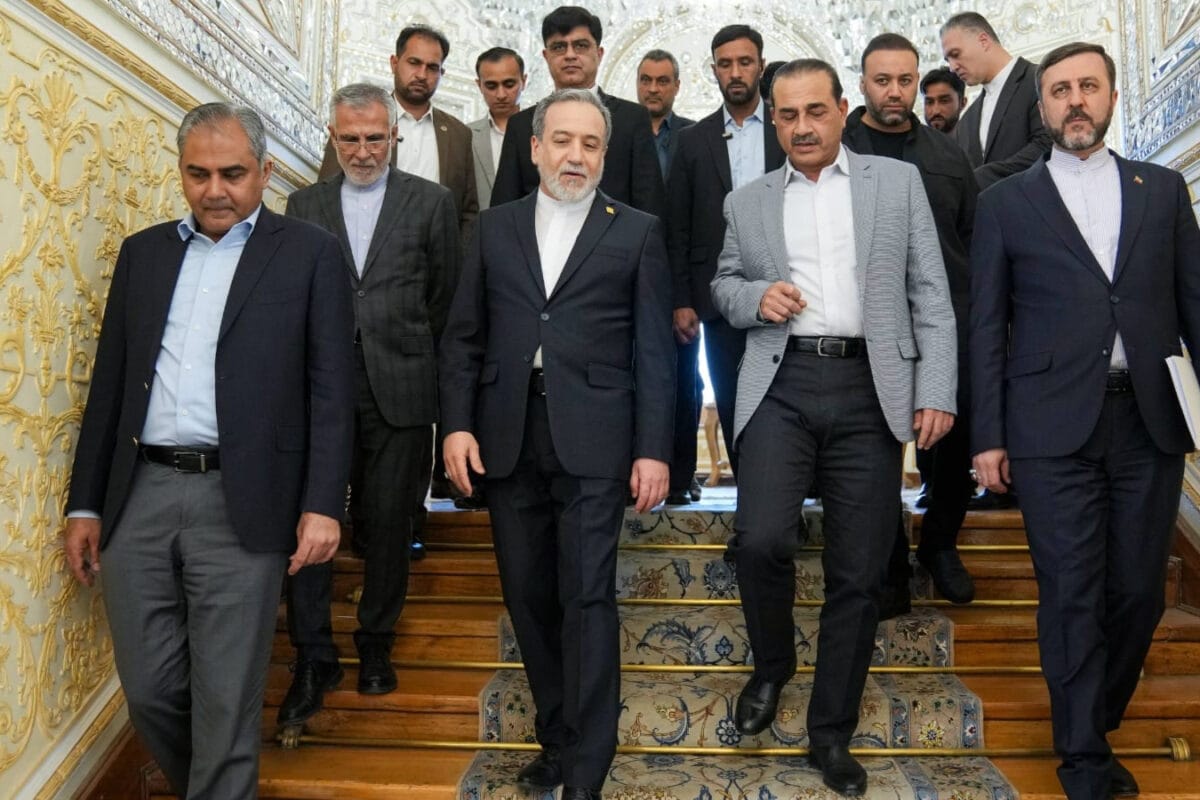
Peace Process Back To Square One? US-Iran Islamabad MoU On Verge Of Collapse As Hormuz Crisis Deepens Reported By, Edited By Last Updated: July 14, 2026, 12:09 IST The IRGC is said to be resisting compromises sought by the United States over Iranian maritime operations and navigation arrangements in the Strait of Hormuz Rapid Read Asim Munir in Iran. Image/News18 The fragile diplomatic process aimed at easing tensions between the United States and Iran appears to be entering a critical phase, with security sources indicating that the Islamabad Memorandum of Understanding (MoU), which underpins the ongoing peace efforts, is on the verge of collapse amid fresh disagreements over the Strait of Hormuz. According to top security sources in Iran, Pakistan and Turkiye, Washington is preparing to reinstate a naval blockade on Iran if the current negotiations fail to produce a breakthrough. The proposed move is being viewed as a significant escalation that could once again choke Iranian oil exports and deepen instability across the Gulf.
The latest setback reportedly stems from disagreements involving Iran’s Islamic Revolutionary Guard Corps (IRGC), which sources describe as playing a “spoiler" role in the negotiations. The IRGC is said to be resisting compromises sought by the United States over Iranian maritime operations and navigation arrangements in the Strait of Hormuz – one of the world’s most strategically important oil shipping routes. Amid the mounting tensions, Pakistan’s Field Marshal Asim Munir has reportedly arrived in Ankara for high-level discussions with Turkish officials. According to the security sources, Munir is seeking Turkiye’s assistance in preserving the Islamabad MoU and ensuring the continuation of the US-Iran mediation process. The sources further claim that Pakistan and Qatar have intensified efforts to persuade both Iran’s political leadership and senior IRGC commanders to show flexibility on issues concerning Iranian territorial waters and maritime arrangements in the Strait of Hormuz. These diplomatic efforts are aimed at preventing the peace initiative from collapsing altogether.
However, the situation has become increasingly complicated following Iran’s recent attacks on cargo vessels and military installations in Qatar, developments that have reportedly caused concern in Doha. Sources say Qatar, which has been playing a key mediating role alongside Pakistan, is dissatisfied with the latest escalation and fears that months of painstaking diplomacy could unravel. The uncertainty has also been compounded by recent indications from US President Donald Trump that Washington could restore tougher maritime restrictions if negotiations fail. Security sources believe such a move would effectively revive the pressure campaign against Tehran by severely restricting its ability to export oil through international waters. If the diplomatic process breaks down, officials fear the region could witness another cycle of confrontation, with the Strait of Hormuz once again emerging as the focal point of geopolitical tensions. With mediation efforts continuing behind closed doors, Pakistan, Türkiye and Qatar are now racing against time to prevent the Islamabad MoU from collapsing and to keep the US-Iran peace process alive.
 The BriefWire