'Out Of A Spy Novel': How Israel Tried To Turn Its Arch Enemy Into Iran's Next Leader
'Out Of A Spy Novel': How Israel Tried To Turn Its Arch Enemy Into Iran's Next Leader Written By, Last Updated: July 14, 2026, 12:24
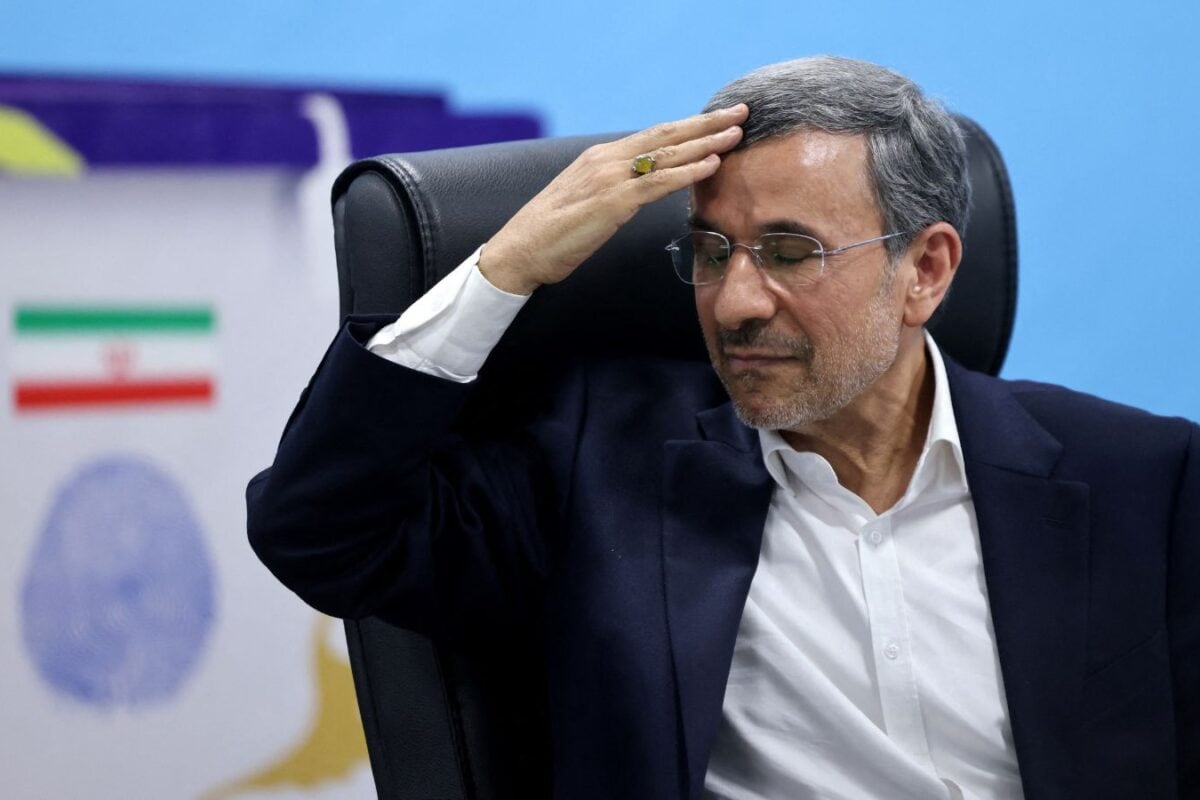
'Out Of A Spy Novel': How Israel Tried To Turn Its Arch Enemy Into Iran's Next Leader Written By, Last Updated: July 14, 2026, 12:24 IST The alleged operation, complete with covert meetings, intelligence planning and an extraction strategy, reads more like a Cold War thriller than modern geopolitics Rapid Read Israeli and American officials believed Ahmadinejad had changed significantly after leaving office. (AFP) What if one of Israel’s most bitter enemies became its preferred choice to lead Iran? That is the extraordinary claim made in a New York Times investigation, which says Israeli officials secretly explored a plan to bring back former Iranian president Mahmoud Ahmadinejad if the Islamic Republic collapsed during the recent Iran-Israel conflict. The alleged operation, complete with covert meetings, intelligence planning and an extraction strategy, reads more like a Cold War thriller than modern geopolitics. Yet it revolves around a man who once openly called for Israel’s destruction. So why would Israel reportedly back Ahmadinejad? And what was this alleged plot trying to achieve? What Is The Alleged Plot? According to the NYT report, Israeli intelligence spent years cultivating contacts with Ahmadinejad after he fell out with Iran’s ruling establishment. The plan was activated during the recent Iran-Israel war, when Israeli officials believed the Iranian regime might collapse under sustained military pressure. The newspaper reported that the operation involved secret meetings outside Iran, including one in Budapest, and preparations to extract Ahmadinejad from house arrest using Israeli intelligence if the opportunity arose.
He was allegedly to be moved to a safe house before being projected as Iran’s new leader in a post-regime scenario. However, the plan never materialised because the Iranian government remained in power and Ahmadinejad reportedly abandoned the operation before it could be executed. The New York Times described the operation as resembling “something out of a spy novel". Why Ahmadinejad Of All People? At first glance, Ahmadinejad appears an unlikely choice. During his presidency between 2005 and 2013, he adopted a confrontational foreign policy, accelerated Iran’s nuclear programme, backed anti-Israel rhetoric and oversaw a harsh crackdown on the 2009 Green Movement protests. Yet, according to the NYT investigation, Israeli and American officials believed Ahmadinejad had changed significantly after leaving office. Over the past decade, he repeatedly clashed with Supreme Leader Ayatollah Ali Khamenei and the Iranian establishment. He was barred from contesting presidential elections multiple times and increasingly portrayed himself as an outsider challenging the ruling elite. The report says Israeli officials concluded that Ahmadinejad’s political ambition had overtaken his ideological commitments. How Did Ahmadinejad Change? According to The New York Times, Ahmadinejad gradually reshaped his public image after leaving office. He toned down his anti-Israel rhetoric, criticised Iran’s security establishment, accused the country’s leadership of corruption and sought to project himself as a populist disconnected from the ruling establishment.
 The BriefWire