All-In-One 112 Helpline: India's Emergency Response System Will Change In Three Months
All-In-One 112 Helpline: India's Emergency Response System Will Change In Three Months Published By, Last Updated: May 29, 2026, 14:38 IST The Supreme Court directed
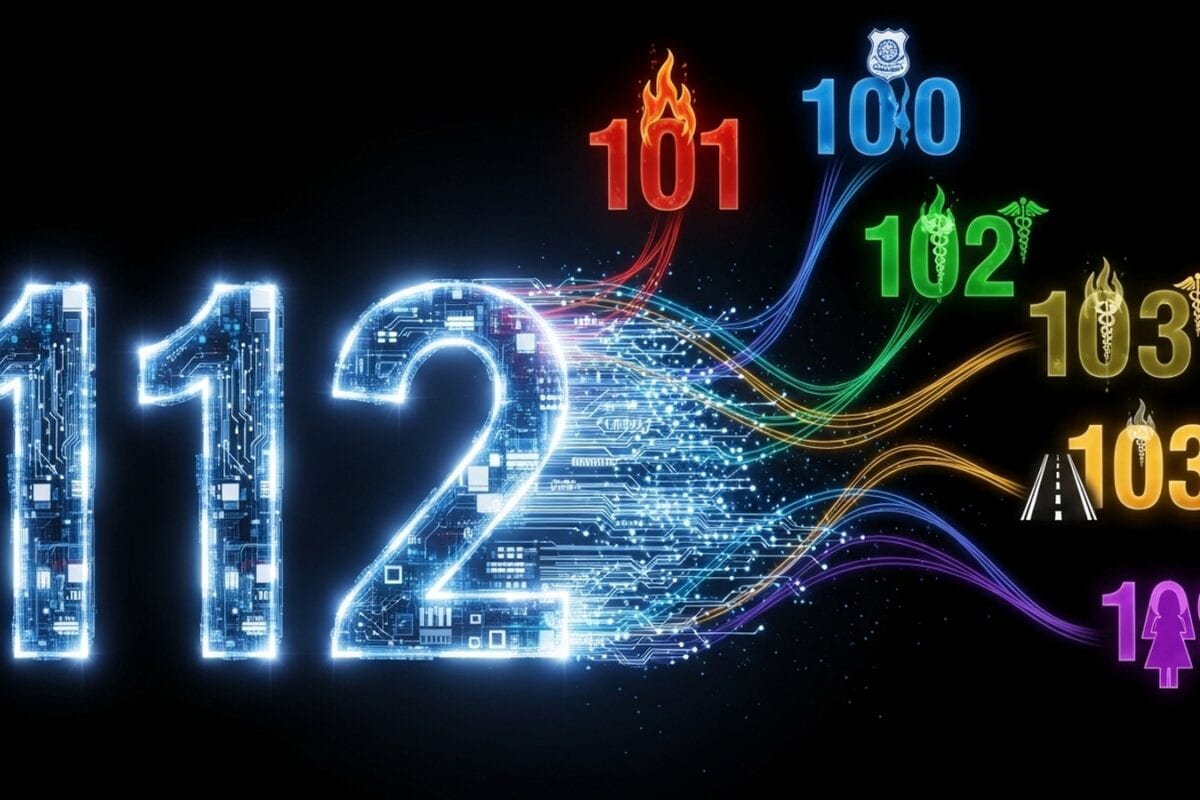
All-In-One 112 Helpline: India's Emergency Response System Will Change In Three Months Published By, Last Updated: May 29, 2026, 14:38 IST The Supreme Court directed all states and UTs to integrate multiple emergency helplines such as 100 (police), 101 (fire), 102 and 108 (ambulance), and more into the unified 112. Rapid Read All emergency helplines will be integrated into 112. (AI generated image) India’s single emergency response number 112 is set for a major overhaul after a landmark Supreme Court order that could fundamentally change how emergency assistance works across the country. In a significant judgment delivered on Thursday, the Supreme Court directed all states and Union Territories to integrate multiple emergency helplines such as 100 (police), 101 (fire), 102 and 108 (ambulance), 1033 (highway emergency) and 1091 (women’s helpline) into the unified 112 emergency response system within three months. The court also linked emergency medical response directly to the constitutional right to life under Article 21. The ruling came in a petition filed by SaveLIFE Foundation, an organisation that has long pushed for stronger road safety laws and trauma care reforms in India. What Is The 112 Emergency Helpline? The 112 helpline is India’s integrated emergency response number, designed to function like the United States’ 911 or Europe’s 112 system. It was introduced under the Emergency Response Support System (ERSS) project by the Union Home Ministry to create a single, nationwide number for all emergencies. Instead of remembering separate numbers for police, ambulance, fire services or women’s safety, citizens can dial just 112 from anywhere in India.
The system is already operational in many states and is connected to police control rooms, ambulance services, disaster response teams and other emergency agencies. Users can also access it through the ERSS mobile app and panic button integration on smartphones. However, implementation has remained uneven across India. In many states, traditional numbers such as 100 and 108 continue to operate separately, often causing confusion, delays and fragmented responses during emergencies. The Supreme Court has now sought to change that. What Did The Supreme Court Say On 112? The bench of Justices JK Maheshwari and Atul S Chandurkar recognised trauma care as part of the constitutional right to life. “The right to trauma care of citizens is an integral part of right to life enshrined under Article 21 of the Constitution of India," the court observed. The judges underlined how critical the first few minutes after an accident or medical emergency can be. “In such a situation, every minute spent without medical intervention or urgent care significantly narrows the scope for survival. Swiftness, is quite literally, like medicine," the bench said. The court also acknowledged a reality frequently seen on Indian roads: bystanders often hesitate to help accident victims because they fear police questioning or legal complications. The judgment noted that many people “hesitate" and suffer a “reactive paralysis" due to fear of being summoned to police stations or becoming witnesses in criminal proceedings. To address this, the court called for “systemic intervention" involving a uniform trauma care framework, public awareness campaigns, standardised first-aid training and stronger implementation of Good Samaritan protections.
What Will Change In The Next Three Months? The biggest change will be the integration of all major emergency helplines into 112. This means citizens may no longer need to separately remember numbers like 100, 101 or 108. Instead, a single emergency command-and-control system is expected to route calls to the appropriate service instantly. The Supreme Court has directed states and UTs to complete the technical and operational integration within three months. The court also ordered governments to establish functional grievance redressal systems for Good Samaritans – citizens who help accident victims during emergencies. Dedicated nodal officers are expected to be appointed at state and district levels. Another key reform involves ambulance services. States have been directed to ensure that all ambulances comply with AIS-125 standards – India’s national ambulance code – and are equipped with GPS or vehicle location tracking systems linked in real time with the 112 network. The court also called for structured audits of ambulance response times, equipment quality and patient outcomes. How Will PM RAHAT Fit Into The 112 System? The Supreme Court also pushed for implementation of the PM RAHAT scheme, a central government initiative aimed at providing cashless treatment to road accident victims. Under the system, accident victims can receive immediate treatment without upfront payment barriers during the critical “golden hour" after an accident. Government documents show the scheme is being linked with the 112 Emergency Response Support System. A Good Samaritan or victim can contact 112 to locate the nearest designated hospital or request an ambulance. Hospitals are then expected to begin treatment immediately while police verification takes place digitally through integrated platforms.
The court warned that failure to operationalise such schemes properly could defeat the purpose of emergency trauma care reforms. Why The Judgment Matters India records one of the world’s highest numbers of road accident deaths every year. Experts have repeatedly pointed out that many victims die not because injuries are unsurvivable, but because emergency medical care arrives too late. The Supreme Court’s judgment attempts to tackle the problem at multiple levels – faster emergency communication, quicker ambulance dispatch, standardised trauma response and stronger protection for Good Samaritans. The court stressed that “sustained and concerted efforts" by both the Centre and states could create a “uniform trauma care system throughout the country which is both efficient and effective." If implemented properly, the next three months could mark the beginning of India moving towards a truly unified emergency response network – one where a single call to 112 can rapidly connect citizens to police, ambulances, fire services and life-saving trauma care anywhere in the country. News18 Newsletter Handpicked stories, in your inbox A newsletter with the best of our journalism submit First Published: May 29, 2026, 14:38 IST News explainers All-In-One 112 Helpline: India's Emergency Response System Will Change In Three Months Disclaimer: Comments reflect users’ views, not News18’s. Please keep discussions respectful and constructive. Abusive, defamatory, or illegal comments will be removed. News18 may disable any comment at its discretion. By posting, you agree to our Terms of Use and Privacy Policy Loading comments...
 The BriefWire