Hormuz Disruption Could Spiral Into Global Oil Crisis: IRGC's Stark Warning As US Blockade Returns
Hormuz Disruption Could Spiral Into Global Oil Crisis: IRGC's Stark Warning As US Blockade Returns Published By, Last Updated: July 14, 2026, 07:31 IST The
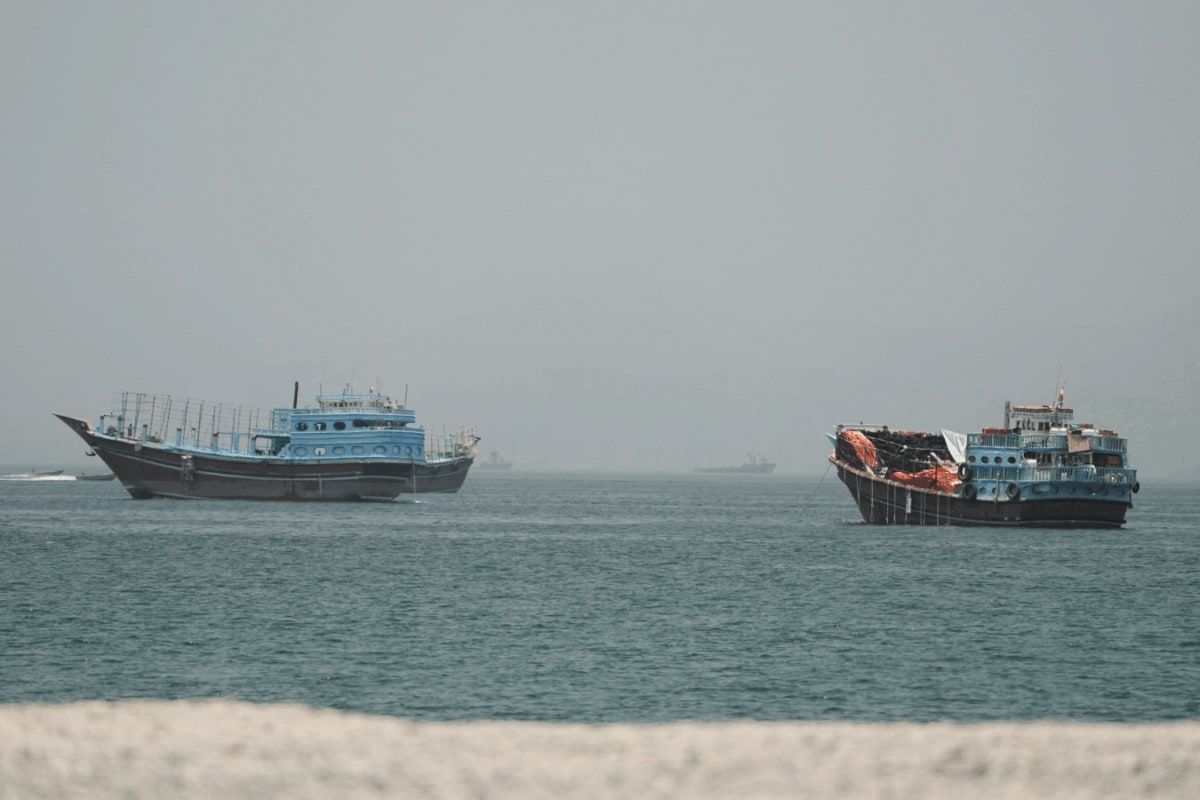
Hormuz Disruption Could Spiral Into Global Oil Crisis: IRGC's Stark Warning As US Blockade Returns Published By, Last Updated: July 14, 2026, 07:31 IST The warning comes as the latest US-Iran confrontation intensifies, with both sides exchanging military strikes and Strait of Hormuz remaining at the centre of the crisis. Rapid Read Iran warns of 'forceful response' against ships that attempt to pass Hormuz using unverified routes | Image for representation: Reuters Iran’s Islamic Revolutionary Guard Corps (IRGC) has warned that continued US military involvement in and around the Strait of Hormuz could trigger wider disruptions to global oil and gas supplies, sharply escalating tensions in one of the world’s most critical energy corridors. The warning comes as the latest US-Iran confrontation intensifies, with both sides exchanging military strikes over the weekend and the Strait of Hormuz remaining at the centre of the crisis. The waterway, through which roughly a fifth of the world’s oil trade passes, has already witnessed attacks on commercial vessels, including incidents involving Indian crew members, raising fears of a prolonged disruption to global energy markets.
Check Live updates on US-Iran war here In a statement carried by Iranian state media, the IRGC said that “continued interference could lead to greater incidents in the global oil and gas sector." It added that ending US military intervention in the Strait of Hormuz was the only way to restore normal shipping traffic, warning that Washington’s actions risked deepening instability across international energy markets. Blockade Back, Trump Announced Hormuz Toll Meanwhile, US President Donald Trump announced the reinstatement of a US-led naval blockade on Iran and proposed that Washington assume control over security in the Strait of Hormuz while charging a 20 per cent transit fee on cargo moving through the Strait Of Hormuz. Trump argued that the United States should be compensated for safeguarding one of the world’s busiest shipping lanes. Iran has dismissed the proposal outright. Foreign Minister Abbas Araghchi mocked the idea, saying a 20 per cent fee was “too much" and insisting that Iran would be “fair" in any future arrangements concerning transit through the strait.
Tehran has repeatedly maintained that it has sovereign rights over the waterway and has accused Washington of attempting to impose unilateral control over an international shipping route. Separately, the IRGC also issued a strongly worded political warning to Washington, saying the United States should not mistake restraint for weakness. It said any further American military intervention would invite “greater humiliation" and insisted that Iran was prepared to defend its strategic interests in the Gulf. The latest exchange follows three consecutive nights of US strikes on Iranian targets and retaliatory Iranian attacks around the Gulf. Shipping through the Strait of Hormuz has slowed significantly as insurers, shipping companies and tanker operators reassess the growing security risks. Commercial traffic continues, but under heightened military surveillance and persistent fears of fresh attacks. For global markets, the stakes are high. Any prolonged disruption in the Strait of Hormuz could yet again tighten crude oil and liquefied natural gas supplies, push energy prices higher and fuel inflation across major importing economies, including India, China, Japan and several European nations.
 The BriefWire