Ram Temple Trust CEO Role Explained: Duties, Eligibility And Why It Matters
Ram Temple Trust CEO Role Explained: Duties, Eligibility And Why It Matters Reported By, Edited By Last Updated: July 13, 2026, 22:50 IST Once appointed
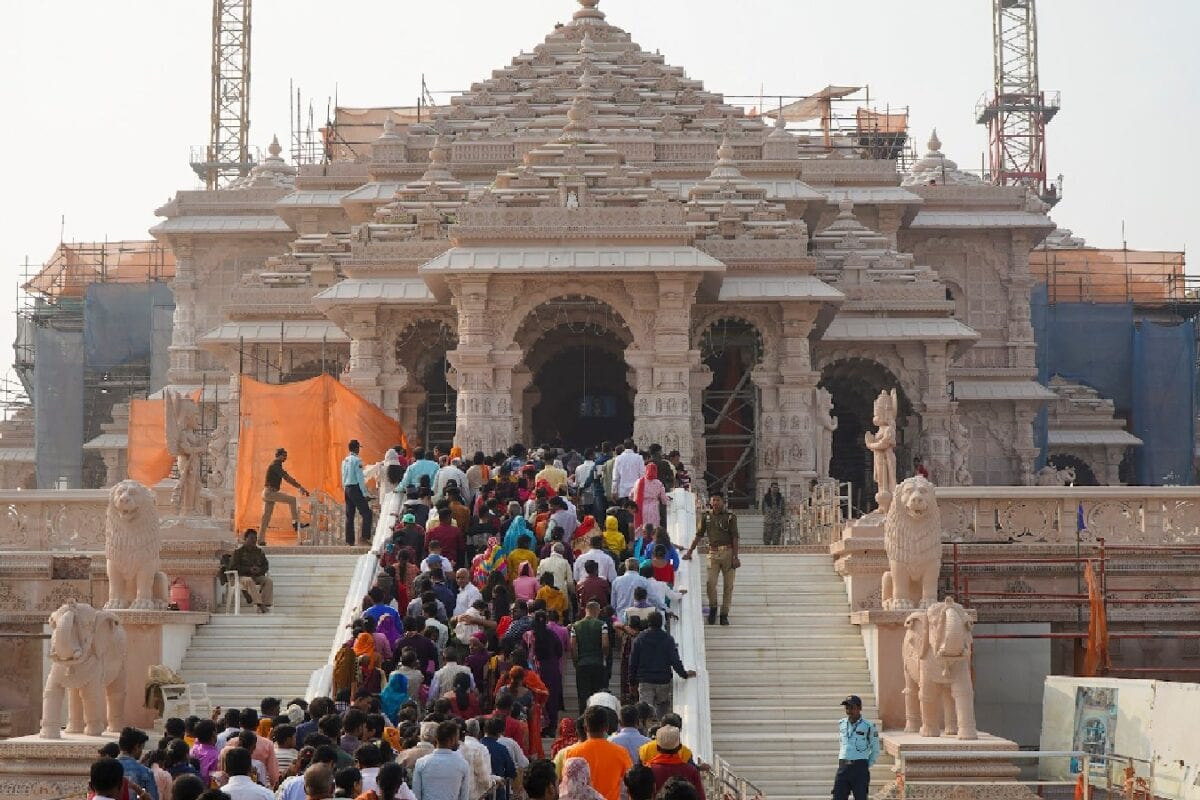
Ram Temple Trust CEO Role Explained: Duties, Eligibility And Why It Matters Reported By, Edited By Last Updated: July 13, 2026, 22:50 IST Once appointed, the Ram Temple Trust CEO will oversee the temple's day-to-day administration, finances, pilgrim facilities, and human resources. The Ram Temple trust has said that the CEO will play a pivotal role in introducing institutional safeguards and restoring public faith | File image The Shri Ram Janmabhoomi Teerth Kshetra Trust has its first-ever Chief Executive Officer (CEO) position, a move widely seen as part of a broader administrative overhaul following the alleged theft of devotees’ donations. The recruitment drive comes even as the Supreme Court has sought a status report from the Uttar Pradesh government’s Special Investigation Team (SIT), while a local court has extended the police remand of the accused by another 14 days. Ram Temple Trust CEO Eligibility The Trust has invited applications for the post until July 18, with one key eligibility criterion drawing attention: the applicant must be a practising Hindu. In addition, candidates are expected to possess extensive administrative experience and a proven track record of managing large institutions.
Ram Temple Trust CEO Duties Once appointed, the CEO will oversee the temple’s day-to-day administration, finances, pilgrim facilities, human resources, and coordination of major religious events, becoming the first professional executive to manage one of India’s most visited religious shrines. The appointment marks a significant shift in the Trust’s functioning. Since its formation in 2020 following the Supreme Court’s Ayodhya verdict, the Trust has overseen the construction of the Ram Temple and managed the influx of millions of devotees. However, administrative responsibilities have so far been handled primarily by office-bearers and designated officials. The creation of the CEO position signals an effort to institutionalise governance through a dedicated professional leadership structure. The decision comes in the wake of the alleged donation theft, which has embarrassed the Trust and raised questions about its internal financial oversight mechanisms. Investigators allege that cash offerings made by devotees were siphoned off over a period of time by individuals entrusted with counting and handling donations. The case gained further prominence after investigators claimed that a portion of the allegedly stolen money may have been diverted into investments, including the stock market, in an apparent attempt to conceal the money trail while generating profits.
 The BriefWire