SC Flags POCSO Misuse In Teen Elopement Cases: 'Can State Prevent Boys And Girls From Eloping?'
SC Flags POCSO Misuse In Teen Elopement Cases: 'Can State Prevent Boys And Girls From Eloping?' Published By, Last Updated: July 13, 2026, 22:02 IST
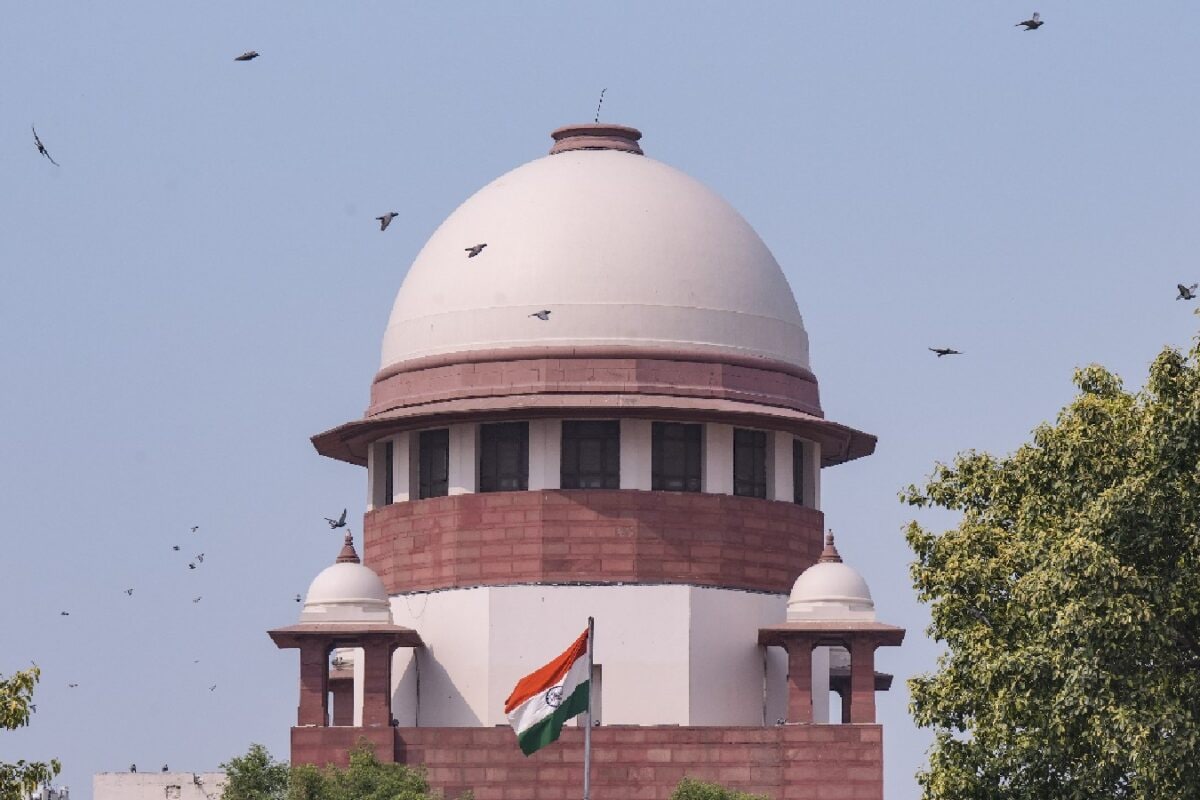
SC Flags POCSO Misuse In Teen Elopement Cases: 'Can State Prevent Boys And Girls From Eloping?' Published By, Last Updated: July 13, 2026, 22:02 IST "It's the age of experimentation. The question is, does it really become a POCSO case?" the court asked. The top court observed that parents often invoke the POCSO Act to protect their "honour" when teenagers elope, saying adolescence is a vulnerable age marked by experimentation. (IMAGE: PTI) The Supreme Court on Monday posed a fundamental question while hearing a case on adolescent privacy and the alleged misuse of the Protection of Children from Sexual Offences (POCSO) Act: ‘Can the State prevent a boy and a girl from eloping?’ The observation came from a bench of Justices B V Nagarathna and R Mahadevan, which said parents often invoke criminal proceedings under the POCSO Act to protect their so-called “honour" when teenage girls leave home with their partners. “How can the State prevent the elopement of a girl and a boy? POCSO is sexual assault and exploitation of children," the bench observed, adding that the 15-18 age group is a particularly vulnerable phase. “It’s the age of experimentation. The question is, does it really become a POCSO case?" the court asked.
The remarks were made during the hearing of a suo motu case on the right to privacy of adolescents, which originated from a controversial 2023 Calcutta High Court judgment advising adolescent girls to “control" their sexual urges instead of getting involved in relationships. The Supreme Court subsequently set aside the judgment in 2024 and initiated proceedings to examine the broader issues surrounding adolescent rights and the application of the POCSO Act. Senior advocate Madhavi Divan, assisting the court, said the proceedings stemmed from the case of a minor who had eloped with a 25-year-old man. She informed the bench that the individual dispute had largely been resolved after a court-appointed committee and social workers interacted with the girl. “A strong report was filed regarding the failure of the system in POCSO matters," Divan submitted, adding that minors are entitled to rehabilitation measures under the law. When the bench asked whether the case involved kidnapping or elopement, Divan said the girl had willingly chosen to stay with the man and the couple had since had a child. The court then broadened its observations, saying many cases involving adolescents between the ages of 16 and 18 follow a similar pattern.
“They develop a relationship and go away. Parents, to protect their honour, fasten criminal liability. We have to acquit," the bench observed. Divan agreed that safeguards were needed to prevent the misuse of the law, pointing out that teenagers in consensual relationships often end up facing prosecution under the POCSO Act. “The girl has already settled with her husband and she is happy. The wider issue is adopting measures for adolescent well-being and child protection," she said, while stressing the need for greater sensitisation among young people. The bench also noted that relationships involving adolescents existed long before the age of consent was raised from 16 to 18 years in 2012. “It’s not that these cases started only after 2012. They existed even earlier, just like child marriages. Once the age of consent became 18, such relationships came within the ambit of the law," the court observed, adding that any directions issued by it must remain practical. Appearing for the Centre, a law officer submitted that the Union government had prepared recommendations that could be implemented across states and Union Territories if accepted by the court. Divan also suggested the creation of a dashboard to monitor cases registered under the POCSO Act.
 The BriefWire