Trump's Iran Dilemma: Two Reasons Why US President Is Dragging His Feet On Peace Deal
Trump's Iran Dilemma: Two Reasons Why US President Is Dragging His Feet On Peace Deal Written By, Last Updated: May 29, 2026, 08:00 IST The
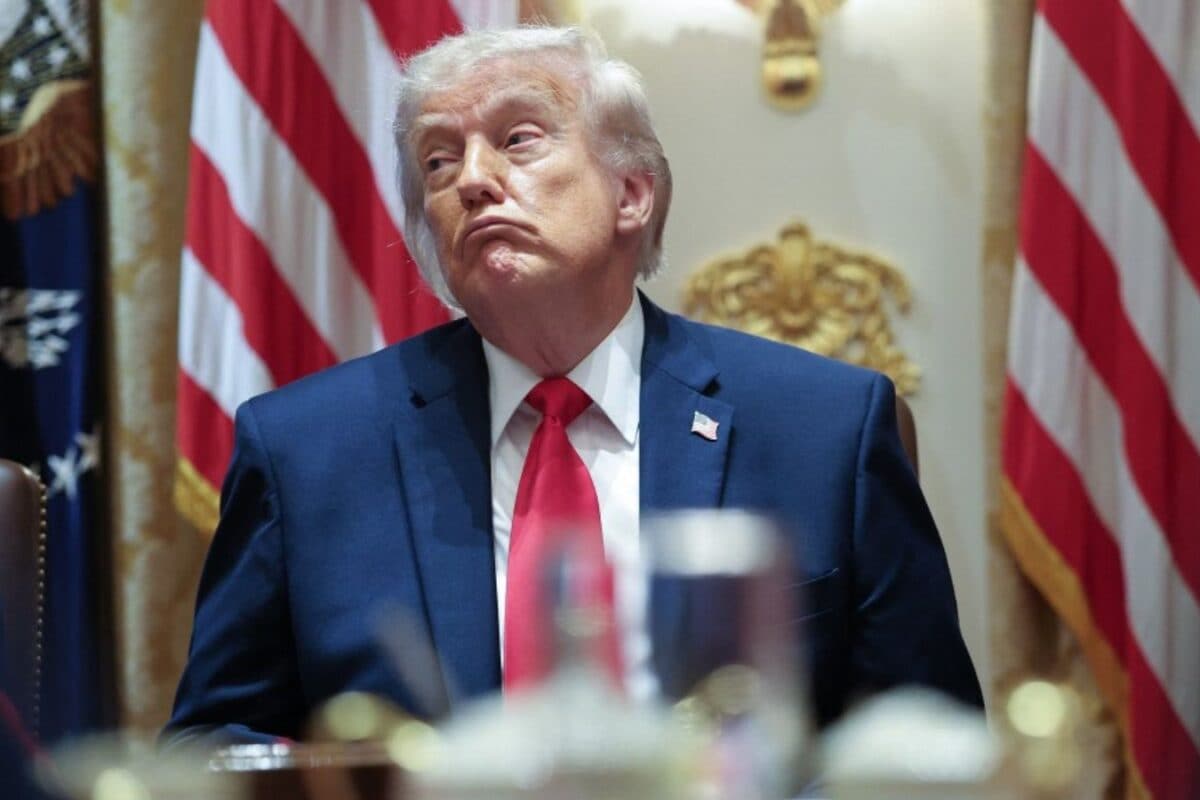
Trump's Iran Dilemma: Two Reasons Why US President Is Dragging His Feet On Peace Deal Written By, Last Updated: May 29, 2026, 08:00 IST The ceasefire extension has exposed a deeper dilemma for Trump: how to pursue de-escalation with Iran without looking politically weak or surrendering strategic leverage Rapid Read Trump believes Iran is currently under severe economic and military strain, and that waiting longer could force Tehran into accepting tougher terms. (AFP) The United States and Iran have reportedly reached the framework of a tentative agreement that could ease one of the most dangerous flashpoints in the Middle East. But despite negotiators ironing out the broad terms, US President Donald Trump has still not approved the deal, making his hesitation the story of the hour. According to Axios, US and Iranian negotiators have agreed in principle to a 60-day memorandum of understanding that would extend the ceasefire, reopen the Strait of Hormuz to global shipping, and launch a fresh diplomatic track on Iran’s nuclear programme. The proposed arrangement comes after weeks of escalating tensions around the Strait of Hormuz, the narrow waterway through which roughly a fifth of the world’s oil supply passes. ALSO READ | Why US, Iran Keep Attacking Each Other Despite Ceasefire? Timeline Of Strikes In 96 Hours Friday’s ceasefire extension was meant to create breathing room in the Iran-Israel-US war. Instead, it has exposed a deeper dilemma for Trump: how to pursue de-escalation with Iran without looking politically weak or surrendering strategic leverage. Axios reports that Trump’s reluctance stems from two overlapping concerns. First, he fears criticism from Republican hawks who believe the deal gives Tehran too much too soon. Second, he believes Iran’s current vulnerability gives Washington room to extract tougher concessions if it waits longer before signing off. Reason One: Trump Doesn’t Want To Be Seen As Rewarding Iran The biggest obstacle may not be Tehran, but Trump’s own political coalition. According to Axios, the proposed framework under discussion could involve limited sanctions relief and the release of some frozen Iranian assets in exchange for Iran reopening the Strait of Hormuz and re-entering negotiations over its nuclear activities.
That possibility has alarmed conservative foreign-policy hawks inside the Republican Party, many of whom argue that Iran is currently under its greatest pressure in years and that the US should not dilute that advantage. For Trump, the politics are especially complicated because of his own history on Iran. In 2018, during his first term, Trump withdrew the US from the Joint Comprehensive Plan of Action (JCPOA), the Obama-era nuclear agreement that had imposed restrictions on Iran’s nuclear programme in exchange for sanctions relief. Trump repeatedly called it “the worst deal ever negotiated", arguing that it gave Tehran economic benefits without permanently dismantling its nuclear ambitions. Since then, Trump has built much of his Iran policy identity around the idea of “maximum pressure": sanctions, diplomatic isolation, and the threat of force. That means any new arrangement with Tehran immediately invites comparisons with the very deal Trump once denounced. ALSO READ | Can Iran Rebuild Faster Than America Can Destroy? The Drone War Explained According to The Guardian, several Republican lawmakers and conservative commentators have already warned against offering Iran economic concessions before concrete nuclear commitments are secured. Some within Trump’s close coterie reportedly believe Iran’s shipping disruptions and regional escalation campaign were designed precisely to force Washington back into negotiations, and that conceding sanctions relief now would reward coercion. This criticism matters because Trump’s political brand relies heavily on projecting toughness abroad. While he has often positioned himself as sceptical of “forever wars", he has also cultivated an image as a negotiator who forces adversaries into submission rather than compromise. That tension is visible in his public comments. Speaking to reporters recently, Trump said he would not approve “a bad deal" and warned negotiators against rushing the process. The White House now faces a familiar dilemma in Iran diplomacy. Any agreement substantial enough to reduce tensions will almost certainly require some form of economic incentive for Tehran. But offering those incentives risks accusations that Washington is backing down after months of pressure.
For Trump, who has framed his entire Iran strategy around coercion rather than accommodation, that political balancing act is especially delicate. Reason Two: Trump Thinks Time Is On America’s Side The second reason for the delay is strategic. According to Axios, Trump believes Iran is currently under severe economic and military strain, and that waiting longer could force Tehran into accepting tougher terms. ALSO READ | Airstrikes Amid Peace Talks: The Bizarre Reason The US Is Bombing Iran While Shaking Hands Explained Iran’s economy has been battered by sanctions, inflation, and the costs of prolonged regional tensions. The recent confrontation around the Strait of Hormuz has also intensified pressure on Tehran because the disruption threatens one of Iran’s own most important economic arteries. At the same time, the broader military standoff has stretched Iranian resources. US naval deployments in the Gulf and heightened regional security coordination have raised the costs of further escalation for Tehran. The Trump administration appears to believe these pressures give Washington unusual leverage. Reuters reports that one of the administration’s key demands involves stricter limits on Iran’s stockpile of highly enriched uranium, an issue that remains unresolved despite the tentative ceasefire framework. From the White House perspective, delaying approval may create an opportunity to secure additional concessions on enrichment levels, inspections, or maritime guarantees before finalising the agreement. This logic reflects a broader negotiating philosophy that Trump has embraced throughout both his business and political careers: never close a deal too quickly if the other side appears desperate. Vice-President JD Vance hinted at that confidence when he told reporters the two sides were “very close" to an agreement. But Trump himself has repeatedly emphasised that there is “no rush". Why Strait Of Hormuz Is Central To The Deal At the heart of the negotiations lies the Strait of Hormuz, one of the world’s most strategically vital waterways. Roughly 20 per cent of global oil and liquefied natural gas shipments pass through the narrow corridor connecting the Persian Gulf to the Arabian Sea.
Even temporary disruptions there can trigger spikes in global energy prices and rattle international markets. The tentative agreement would reportedly guarantee the reopening of shipping lanes and reduce the risk of direct military confrontation in the Gulf. That is one reason international pressure for a deal has intensified. European governments, Gulf states, and major energy importers have all quietly pushed Washington and Tehran toward de-escalation, fearing that a prolonged crisis in Hormuz could destabilise global markets and drag the region into wider conflict. The Bigger Political Calculation Trump’s hesitation also reflects a broader contradiction that has defined his foreign policy. ALSO READ | Trump’s Shifting Iran War Goals: What Changed And Has The US Achieved Them? On one hand, he frequently campaigns against costly overseas entanglements and presents himself as a dealmaker capable of avoiding wars through strength and negotiation. On the other hand, he has built political support among conservative voters and national-security hawks who favour hardline pressure on Iran and deeply distrust diplomacy with Tehran. Those two instincts now collide in the current negotiations. The danger, however, is that diplomacy in the Gulf rarely benefits from prolonged uncertainty. The longer the agreement remains unsigned, the greater the possibility that another maritime incident, proxy attack, or military confrontation could derail the fragile understanding entirely. News18 Newsletter Handpicked stories, in your inbox A newsletter with the best of our journalism submit Location: United States of America (USA) First Published: May 29, 2026, 07:57 IST News explainers Trump's Iran Dilemma: Two Reasons Why US President Is Dragging His Feet On Peace Deal Disclaimer: Comments reflect users’ views, not News18’s. Please keep discussions respectful and constructive. Abusive, defamatory, or illegal comments will be removed. News18 may disable any comment at its discretion. By posting, you agree to our Terms of Use and Privacy Policy Loading comments...
 The BriefWire