Pakistan Faces Abraham Accords Dilemma; Shehbaz Sharif, Asim Munir Head To Saudi Amid Pressure
Pakistan Faces Abraham Accords Dilemma; Shehbaz Sharif, Asim Munir Head To Saudi Amid Pressure Reported By, Edited By Last Updated: May 29, 2026, 10:47 IST
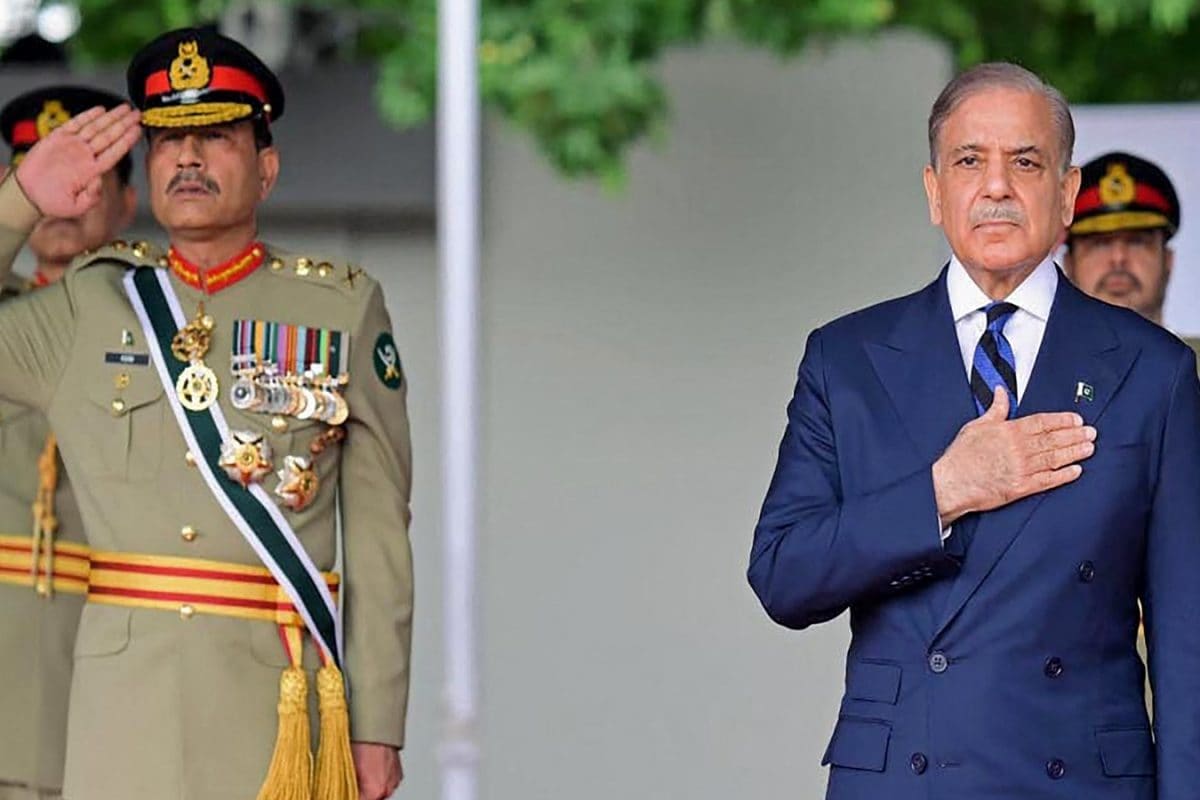
Pakistan Faces Abraham Accords Dilemma; Shehbaz Sharif, Asim Munir Head To Saudi Amid Pressure Reported By, Edited By Last Updated: May 29, 2026, 10:47 IST During Eid sermons across Pakistan, several clerics reportedly issued strong warnings and fatwas against any move towards the Abraham Accords or normalisation with Israel Rapid Read Pakistan Army Chief Asim Munir and PM Shehbaz Sharif (PTI) As speculation grows around a possible expansion of the Abraham Accords in West Asia, Pakistan’s civil-military establishment is once again facing intense internal debate over whether Islamabad should eventually move towards engagement with Israel under a broader regional framework being pushed by the United States and its allies. According to top security sources, Pakistan’s leadership is currently under “severe stress" over the issue, particularly after US President Donald Trump recently linked the future of the Abraham Accords to wider regional negotiations involving Iran.
The development has reportedly triggered fresh discussions within Pakistan’s hybrid civil-military regime over how Islamabad should position itself if Saudi Arabia decides to move forward with normalisation. Sources indicate that Pakistan Prime Minister Shehbaz Sharif and Field Marshal Asim Munir are planning a visit to Saudi Arabia soon, where the Abraham Accords issue is expected to feature prominently in discussions with the Saudi leadership. Islamabad is understood to be closely watching Riyadh’s next move, with senior officials believing that Pakistan would find it politically impossible to act independently on normalisation without Saudi backing. “First Saudi Arabia, then Pakistan," a top security source said, suggesting that Islamabad wants Riyadh to absorb the initial diplomatic and religious fallout before making any strategic decision of its own. The Abraham Accords, first signed in 2020 under the Trump administration, led to normalisation agreements between Israel and several Arab nations, including the United Arab Emirates and Bahrain.
While Pakistan has historically refused to recognise Israel, pressure has periodically emerged from strategic circles arguing that changing regional realities may eventually force Islamabad to reconsider its position. However, domestic resistance inside Pakistan remains extremely strong. During recent Eid sermons across the country, clerics from multiple sects reportedly issued strong warnings and fatwas against any move towards the Abraham Accords or normalisation with Israel. Religious parties and conservative groups have also intensified pressure on the government and military establishment, warning of mass protests if such a shift is attempted. The issue has become even more sensitive after criticism surrounding Pakistan’s participation in President Trump’s “Board of Peace" initiative, which already triggered backlash from sections of the political and religious establishment. Security sources say Pakistan’s leadership is now attempting to place the “entire burden" of any future normalisation process on Saudi Arabia in order to avoid direct confrontation with domestic religious forces.
For now, Islamabad appears focused less on embracing the Abraham Accords and more on managing the growing geopolitical pressure surrounding them. News18 Newsletter Handpicked stories, in your inbox A newsletter with the best of our journalism submit First Published: May 29, 2026, 10:47 IST News world Pakistan Faces Abraham Accords Dilemma; Shehbaz Sharif, Asim Munir Head To Saudi Amid Pressure Disclaimer: Comments reflect users’ views, not News18’s. Please keep discussions respectful and constructive. Abusive, defamatory, or illegal comments will be removed. News18 may disable any comment at its discretion. By posting, you agree to our Terms of Use and Privacy Policy Loading comments...
 The BriefWire