How 49-Year-Old Battle For Throne Of Kapurthala Royal Family Was Settled
How 49-Year-Old Battle For Throne Of Kapurthala Royal Family Was Settled Published By, Last Updated: May 29, 2026, 10:49 IST The court was hearing a
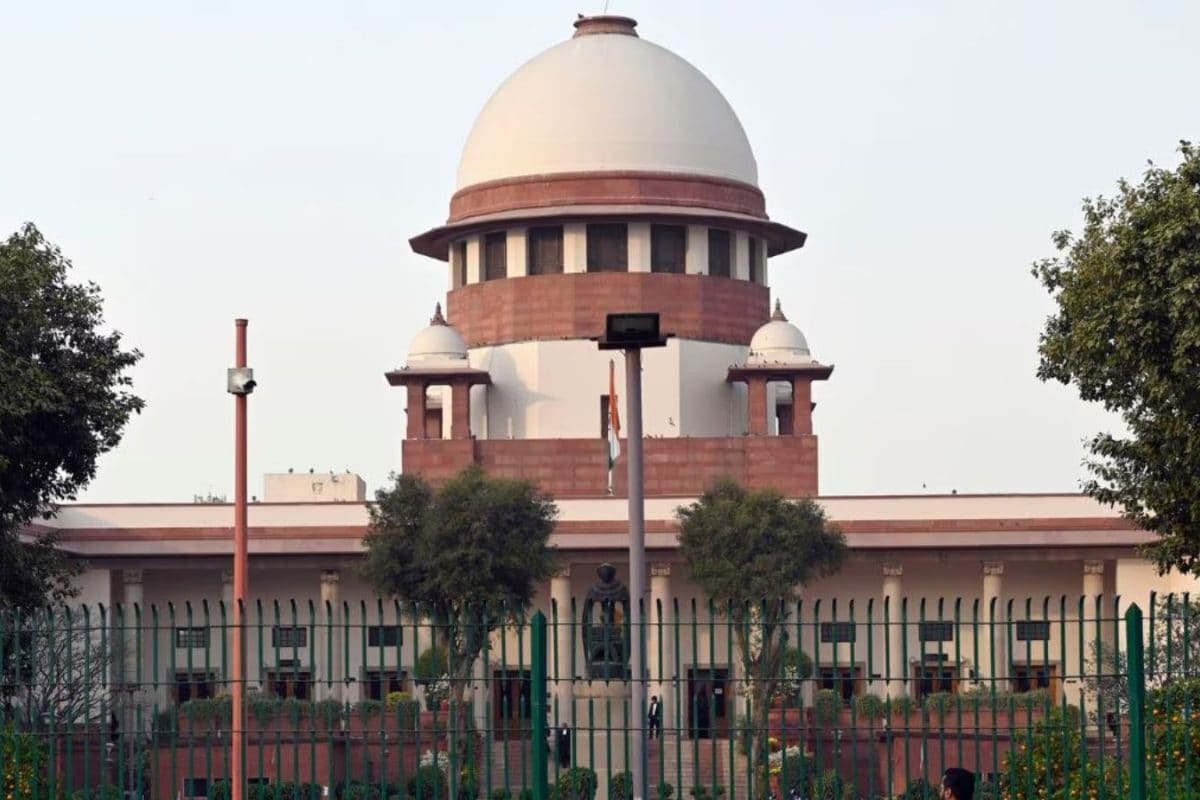
How 49-Year-Old Battle For Throne Of Kapurthala Royal Family Was Settled Published By, Last Updated: May 29, 2026, 10:49 IST The court was hearing a civil dispute between Brigadier Sukhjit Singh, the government-recognised titular ‘Maharaja’ of Kapurthala, and his estranged wife, Gita Devi Supreme Court of India | PTI Image The Supreme Court has ruled that the private properties of a titular ruler would be transferred to his successors in accordance with the Hindu or Muslim personal law instead of the customary law of primogeniture, a system of inheritance where the eldest child inherited properties. A bench of Justices Pankaj Mittal and SVN Bhatti was hearing a civil dispute between Brigadier Sukhjit Singh, the government-recognised titular ‘Maharaja’ of Kapurthala, and his estranged wife, Gita Devi and their children. The top court observed that while the system of primogeniture could apply to symbolic thrones and titles, it could not extend to personal property declared during the merger of princely states, according to a report by the news agency PTI.
Sukhjit Singh claimed that — being the eldest lineal descendant — he was the sole owner of all family properties under customary law, adding the Hindu Succession Act did not apply to his impartible estate. The top court observed that after the merger of the princely states post-independence, the then ruler ceased to be an absolute sovereign and assumed the status of an ordinary citizen of India, PTI reported. “The recognition of the Maharaja as the Ruler by the President under Article 366 (22) of the Constitution was a political or an executive act for ceremonial purposes entitling the Maharaja to receive privy purse and other connected privileges, but it was not an indicium of ownership of property", said the court, as quoted by the outlet. SC Rules Out Primogeniture System The Supreme Court highlighted there was a general perception that the ruler or monarch of a princely state would be governed by the rule of male lineal primogeniture, adding only the perceived throne devolved post the merger of the states and not the personal properties of the ruler.
“Following the lapse of the British paramountcy and the signing of the agreement of merger, the Maharaja assumed the status of the ruler only for the namesake to succeed to the Gaddi and to enjoy certain privileges attached to it…," the top court noted, PTI reported. The Supreme Court said the personal properties of a ruler would devolve upon his successors in accordance with the Hindu or Muslim laws, and not by the rule of primogeniture. “Lastly, the only immovable property which remains is the property at Mussoorie, i.e., Kapurthala Chateau and St Helens, Mussoorie, would devolve upon the successors under Hindu Law and are divisible amongst the family members", said the top court, as quoted by PTI. News18 Newsletter Handpicked stories, in your inbox A newsletter with the best of our journalism submit First Published: May 29, 2026, 10:49 IST News india How 49-Year-Old Battle For Throne Of Kapurthala Royal Family Was Settled Disclaimer: Comments reflect users’ views, not News18’s.
Please keep discussions respectful and constructive. Abusive, defamatory, or illegal comments will be removed. News18 may disable any comment at its discretion. By posting, you agree to our Terms of Use and Privacy Policy Loading comments...
 The BriefWire