How Sheikh Hamad took tiny Qatar out of Saudi shadow, turned it into a powerhouse
Few leaders have reshaped their countries as profoundly as Sheikh Hamad bin Khalifa Al Thani. During his 18 years in power, he transformed Qatar from
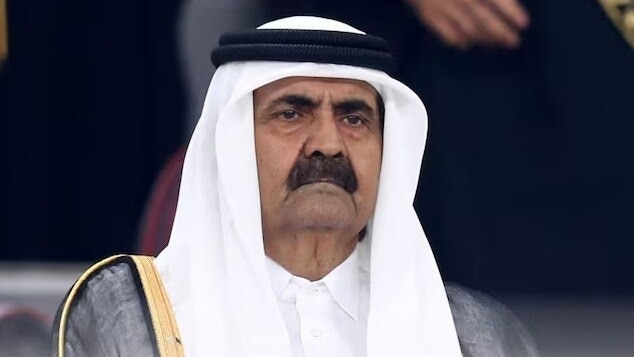
Few leaders have reshaped their countries as profoundly as Sheikh Hamad bin Khalifa Al Thani. During his 18 years in power, he transformed Qatar from a little-known Gulf state dependent on Saudi Arabia into one of the world's wealthiest nations, built on natural gas wealth, an independent foreign policy and the global reach of Al Jazeera. Sheikh Hamad, who ruled Qatar from 1995 to 2013, died on July 12 (Sunday) at the age of 74. Read Full Story Following his death, India declared one day of national mourning on July 13, with flags flown at half-mast on government buildings and official entertainment suspended. Born in 1952, Sheikh Hamad came to power in 1995 through a bloodless coup that deposed his father, Sheikh Khalifa bin Hamad Al Thani. He ruled for 18 years before voluntarily handing power to his fourth son, Sheikh Tamim bin Hamad Al Thani, on June 25, 2013. The transition was widely seen as helping ensure stability at a time of regional upheaval following the Arab Spring.
During his rule, Sheikh Hamad oversaw Qatar's transformation into one of the world's wealthiest countries by developing its vast natural gas reserves, particularly through investments in liquefied natural gas (LNG). The strategy turned Qatar into one of the world's largest LNG exporters, reduced its dependence on oil and neighbouring states, and generated the wealth that funded infrastructure, education and global investments. Qatar's GDP grew more than 20-fold during his tenure. His 18-year reign fundamentally reshaped Qatar's economy, foreign policy and global standing. Here's a look at how he did it. SHEIKH HAMAD FOUNDED AL JAZEERA: QATAR'S SOFT POWER ENGINE One of the defining projects of his reign was the launch of Al Jazeera in 1996, which became a cornerstone of Qatar's soft power strategy. The Arabic news network offered live debates, investigative reporting and a range of viewpoints uncommon in state-controlled Arab media at the time. Drawing on journalists from a shuttered BBC Arabic project, it quickly gained audiences across the Middle East and North Africa.
Saudi authorities shut down the BBC Arabic, leading to the departure of more than 150 trained journalists, presenters, producers, and technicians. Many joined the new channel in Doha. This came at a time when state-controlled media dominated the Arab world. Al Jazeera also strengthened Qatar's diplomatic influence by providing a platform for regional voices and perspectives often aligned with Doha's foreign policy. Its coverage of the Second Intifada, the Iraq War and later the Arab Spring expanded Qatar's international profile but also fuelled tensions with several Gulf neighbours. THE ECONOMIC TRANSFORMATION THAT HAPPENED UNDER SHEIKH HAMAD Sheikh Hamad made Qatar a strong economic power by focussing on its hydrocarbon resources. At the time he took power, Qatar's economy relied heavily on oil and was closely tied to its larger neighbour, Saudi Arabia. He prioritised the development of LNG infrastructure, enabling the export of Qatar's gas reserves to international markets. This move laid the foundation for the country's wealth and reduced its economic dependence on others. The revenues funded large-scale infrastructure projects, education initiatives, and international investments.
 The BriefWire