The Great Reset: Why Congress' Karnataka Intervention Marks a Break From the Past
The Great Reset: Why Congress' Karnataka Intervention Marks a Break From the Past Published By, Last Updated: May 29, 2026, 13:16 IST Congress fast-tracked Karnataka’s
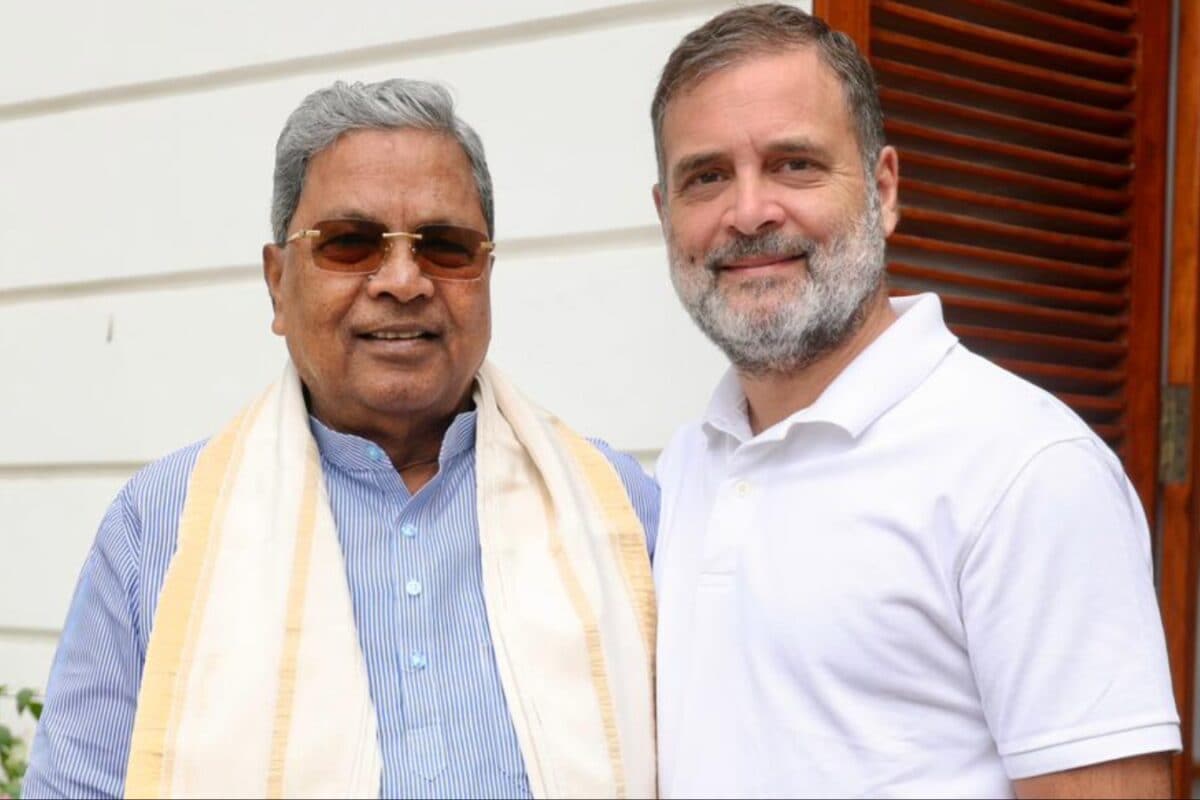
The Great Reset: Why Congress' Karnataka Intervention Marks a Break From the Past Published By, Last Updated: May 29, 2026, 13:16 IST Congress fast-tracked Karnataka’s leadership swap, signalling a sharper, election-focused approach unlike past faction battles that dragged on for months. Rahul Gandhi with party leader Siddaramaiah during a meeting (Photo: PTI) The Congress’s decision to replace Siddaramaiah with DK Shivakumar as Karnataka Chief Minister is being viewed within the party as a decisive break from its old style of crisis management, one that often allowed factional battles to spiral into prolonged public confrontations. According to NDTV, the leadership transition was personally pushed through by Congress leader Rahul Gandhi after days of consultations involving party president Mallikarjun Kharge, Priyanka Gandhi Vadra and General Secretary KC Venugopal. The transition, which was officially confirmed after Siddaramaiah tendered his resignation, marks a shift in how the Congress high command is handling internal power struggles, moving faster, relying on structured political feedback, and prioritising long-term electoral calculations. The roots of the Karnataka succession battle stretch back to the 2023 Assembly election victory, when both Siddaramaiah and Shivakumar emerged as contenders for the top post. Rahul Gandhi had publicly said in April 2023 that the leader who enjoyed the support of a majority of MLAs in the Congress Legislature Party would become the chief minister. Shivakumar consolidated support among the influential Vokkaliga community, while Siddaramaiah mobilised the AHINDA coalition, minorities, backward classes and Dalits, helping the Congress secure a landslide victory with 136 seats.
However, immediately after the results, camps loyal to both leaders began lobbying aggressively for the chief minister’s post. Eventually, the Congress high command convinced Shivakumar to accept the Deputy Chief Minister position, along with major portfolios and continuation as Karnataka Congress chief. Shivakumar supporters repeatedly claimed there was a power-sharing arrangement under which he would later become Chief Minister, though Siddaramaiah consistently denied any such pact existed. Multiple reports have suggested that Rahul Gandhi directly intervened earlier this week, holding discussions with both Siddaramaiah and Shivakumar before persuading Siddaramaiah to step down in the interest of the “larger picture" ahead of the 2029 Lok Sabha election. According to sources quoted by NDTV, Siddaramaiah argued that the Congress’s best chance of returning to power in Karnataka was with him continuing as Chief Minister and Shivakumar taking over later. Rahul Gandhi, however, insisted on an immediate transition. The report quoted party insiders as saying that the Karnataka episode reflects an evolved decision-making structure within the Congress leadership, one willing to alter plans quickly depending on political feedback and electoral realities. This approach contrasts sharply with how Congress earlier handled leadership disputes, particularly in Rajasthan in 2022. A look at the Ashok Gehlot-Sachin Pilot confrontation in Rajasthan reminds us how the Congress leadership struggled for weeks to implement a leadership change despite internal pressure to elevate Pilot. At the time, Sonia Gandhi reportedly wanted to promote Pilot to counter anti-incumbency and attract younger voters, but Gehlot refused to step aside, triggering a prolonged standoff that damaged the party politically ahead of the 2023 Assembly polls.
The Karnataka transition, Congress insiders told NDTV, was handled differently because the party leadership now believes indecision and public factionalism come at a high electoral cost. According to the report, Rahul Gandhi’s functioning has evolved with inputs from Mallikarjun Kharge’s organisational experience and a political feedback mechanism overseen by KC Venugopal. INTERNAL TUSSLE HAD ESCALATED A look at the complete timeline shows how the Karnataka Congress power struggle had steadily intensified over the past two years. In November 2024, leaders aligned with Siddaramaiah floated the idea of appointing a Dalit chief minister if a leadership change became necessary, while Shivakumar’s camp revived claims about the power-sharing agreement. The tensions escalated further in 2025. Minister KN Rajanna publicly indicated interest in Shivakumar’s Karnataka Congress chief post, while PWD Minister Satish Jarkiholi reportedly reminded the high command about discussions on replacing Shivakumar as party chief. In March 2025, Rajanna’s explosive “honey-trap" allegations in the Karnataka Assembly triggered a major controversy and indirectly fuelled speculation about deepening factional rivalries. The leadership issue resurfaced repeatedly through 2025 and 2026, eventually forcing the Congress high command to summon both Siddaramaiah and Shivakumar to Delhi several times for discussions. FOCUS NOW ON 2029 AND STATE POLLS NDTV reported that every major Congress decision is now increasingly being viewed through the prism of the 2029 Lok Sabha election and the series of Assembly polls scheduled before that. The party leadership also appears determined to avoid the perception of drift or paralysis that hurt it in previous state-level leadership disputes.
Siddaramaiah met Rahul Gandhi at Sonia Gandhi’s residence soon after resigning and thanked him for the opportunity to serve Karnataka. Sources told PTI that Siddaramaiah conveyed he had stepped down as requested by the leadership. PTI also reported that discussions were underway regarding the composition of the new Karnataka Cabinet and organisational restructuring within the state unit. Congress leaders are hopeful the relatively swift transition to Shivakumar’s leadership will help stabilise the Karnataka unit before the 2028 Assembly election cycle begins in earnest. News18 Newsletter Handpicked stories, in your inbox A newsletter with the best of our journalism submit First Published: May 29, 2026, 13:16 IST News india The Great Reset: Why Congress' Karnataka Intervention Marks a Break From the Past Disclaimer: Comments reflect users’ views, not News18’s. Please keep discussions respectful and constructive. Abusive, defamatory, or illegal comments will be removed. News18 may disable any comment at its discretion. By posting, you agree to our Terms of Use and Privacy Policy Loading comments...
 The BriefWire