Iran: Life in limbo between war and ceasefire
Repeated ceasefire violations, contradictory political signals and the continued presence of emergency measures have created a climate of exhaustion, anger and deep uncertainty about the
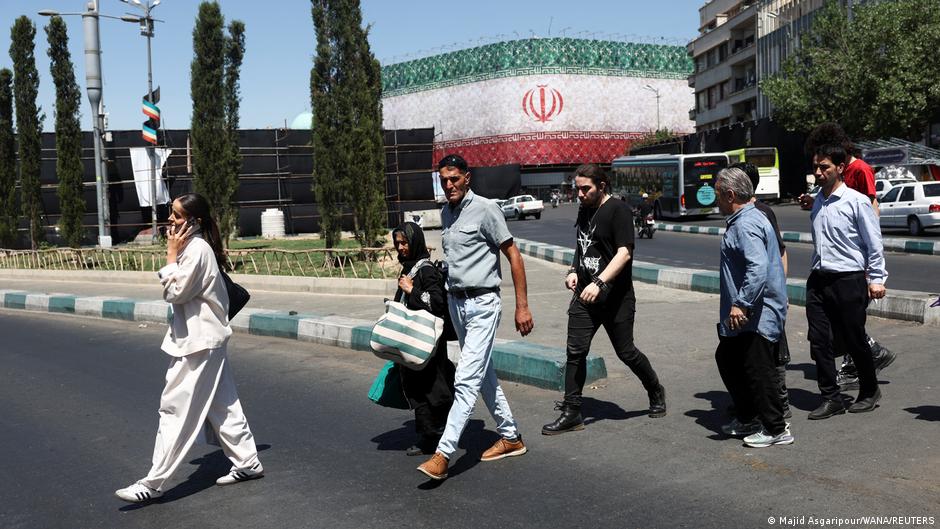
Repeated ceasefire violations, contradictory political signals and the continued presence of emergency measures have created a climate of exhaustion, anger and deep uncertainty about the future among many Iranians. Since the ceasefire between Iran, the United States and Israel was announced, Iranians have repeatedly been told that the war is over. Yet, attacks, threats and diplomatic talks have continued simultaneously, with Iranian authorities speaking of negotiations, progress and even sanctions relief one day, only to warn of retaliation, further strikes and threats to Iran's critical infrastructure the next. This constant oscillation between war and diplomacy has left many people inside Iran caught between hope and dread. For many, that uncertainty has become more psychologically damaging than the war itself. The problem is no longer just the fear of violence, but also the inability to imagine a stable future. Iran: Less ceasefire, more rockets To view this video please enable JavaScript, and consider upgrading to a web browser that supports HTML5 video A society unable to plan One lawyer based in Tehran, who asked not to be named, told DW that the hardest part of the current moment is not knowing when the crisis will end. "The most important feature of this moment is that the end of the war is unknown," she said. "When you cannot plan how to endure hardship, it puts enormous pressure on you." She said she no longer has the motivation to work or start anything new. Even speaking freely in society feels difficult. In the city where she grew up in, she said, she now feels a sense of estrangement from some of the people around her.
That sense of paralysis appears to go well beyond individual frustration, affecting basic decisions about work, family and the future. Combined with economic instability and the constant fear that violence could return at any moment, the result has been a wider mood of fatigue and social stagnation. "We are completely hopeless," a resident of Isfahan city told DW. "This instability between peace and war has turned our mental state into a game, and we have no clear outlook for our future, or for our psychological and financial security." The same person said the entire experience had become deeply corrosive, with trust in either side of the war, or in the possibility of a durable agreement, having largely collapsed. What is Khamenei's funeral revealing about Iran? To view this video please enable JavaScript, and consider upgrading to a web browser that supports HTML5 video Generation without a template for war The current uncertainty may weigh especially heavily on younger Iranians, many of whom have no direct memory of the 1980-88 Iran-Iraq war or of life under prolonged military threat. For them, this is the first experience of living under the shadow of an open-ended regional conflict. A nurse in western Iran told DW that when a society enters this kind of situation, trust in the future weakens and people begin postponing long-term decisions. "People start living as if the only goal is just to get through today," she said on condition of anonymity. For a generation without direct experience of prolonged war, she added, the situation is more disorienting, not necessarily because they are weaker, but because they have no mental model for how to live through such a period.
 The BriefWire