England Heatwaves May Have Claimed 2,700 Lives: Why Brits Were Unprepared For This Summer
England Heatwaves May Have Claimed 2,700 Lives: Why Brits Were Unprepared For This Summer Published By, Last Updated: July 13, 2026, 17:14 IST Around 42%
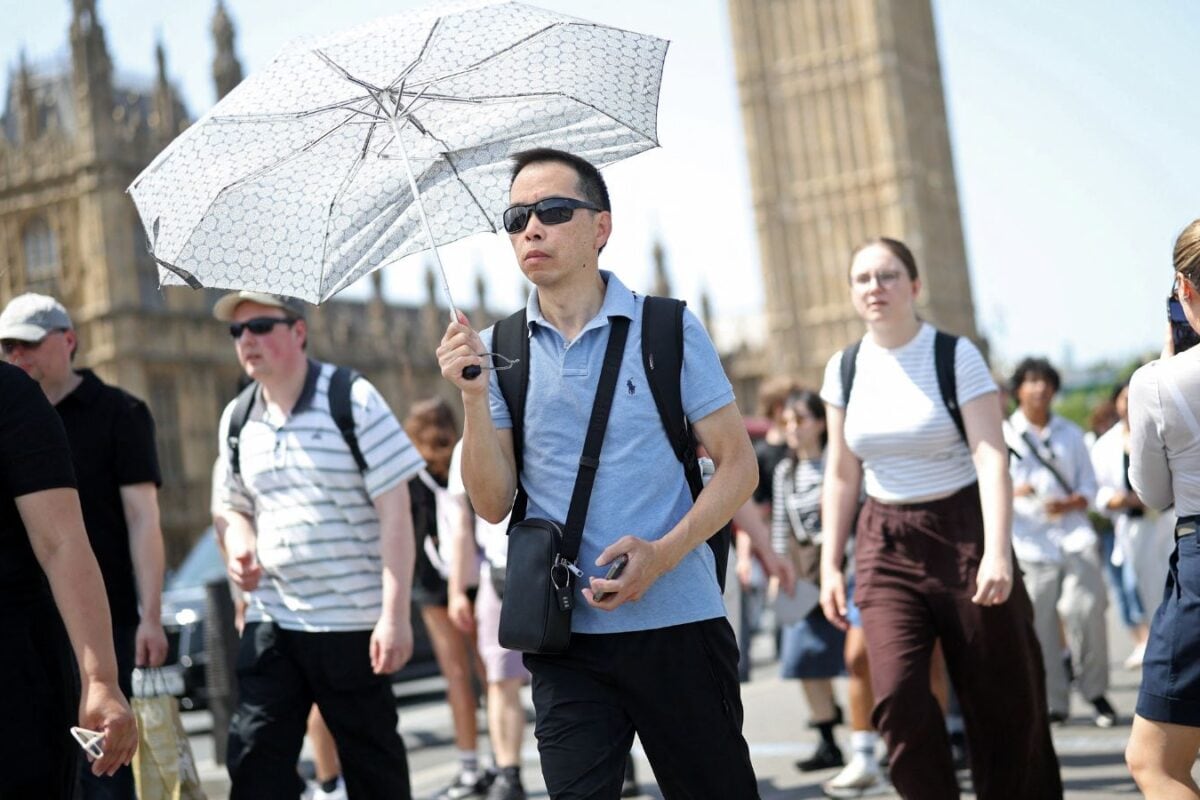
England Heatwaves May Have Claimed 2,700 Lives: Why Brits Were Unprepared For This Summer Published By, Last Updated: July 13, 2026, 17:14 IST Around 42% of 2,700 deaths in England and Wales were linked to additional warming caused by human-driven climate change, as per the study. The latest heatwave has exposed a reality that climate scientists have warned about for years: much of the UK remains poorly equipped for prolonged periods of extreme heat. (Photo: AFP file) The relentless heatwave that swept across England and Wales this summer may have claimed at least 2,700 lives, according to a new study by researchers from Imperial College London, the Met Office, and the London School of Hygiene & Tropical Medicine. Using weather observations, climate models, and established research on excess mortality during heatwaves, the team estimated that more than 2,700 people died from heat-related causes during two major heat events between May and June. “More than 2,700 people are thought to have died from heat-related causes during the May and June heatwaves in England and Wales," the researchers said in a statement. The study further estimates that around 42% of those deaths were linked to additional warming caused by human-driven climate change. Heatwave Deaths In England And Wales According to the analysis, approximately 550 people died during the heatwave between May 21 and May 29, while nearly 2,200 deaths were linked to the more intense heatwave that struck between June 18 and June 28. Researchers stressed that the figures are model-based estimates rather than official mortality counts. However, they provide a stark indication of the growing risks posed by extreme heat. “While they are not a measure of observed mortality, they help illustrate the scale of risk associated with extreme heat and the growing threat climate change poses to our wellbeing," said Lea Berrang Ford, head of the UK Health Security Agency’s Centre for Climate and Health Security.
The authors also highlighted the role of climate change in intensifying heatwaves. Their analysis suggests that peak daytime temperatures during the two events were around 3°C to 4°C higher than they would have been in a world without human-induced global warming. The UK Health Security Agency (UKHSA) is expected to release its official assessment of heat-related deaths in the coming weeks based on registered death records. Why UK Struggled To Cope With This Summer’s Heat The latest heatwave has exposed a reality that climate scientists have warned about for years: much of the UK remains poorly equipped for prolonged periods of extreme heat. An Unusually Early Heat Crisis Traditionally, the hottest period of the year in the UK arrives in late July and August. This year, however, intense heat arrived weeks earlier than expected. England and several parts of Western Europe experienced two unusually severe heatwaves in May and June, with temperatures reaching record monthly highs of 35.1°C and 37.7°C in England. “They were extreme heatwaves for the UK, and for all parts of western Europe, and they’re particularly exceptional for the timing and how early in the year they occurred," said Mark McCarthy, Science Manager at the Met Office’s Climate Attribution Team. The unusually early arrival left governments, health services and communities with little time to prepare, increasing the risks for vulnerable populations. Homes Built for Winter, Not Heat One of Europe’s biggest challenges lies in its housing stock. For generations, homes across Northern and Western Europe were designed to retain warmth during long, cold winters. Thick insulation, heavy brick walls and dense concrete structures are highly effective at trapping heat indoors.
 The BriefWire