Theatre Command Plan Nears Approval After 20 Years: What Changes For India's Military?
Theatre Command Plan Nears Approval After 20 Years: What Changes For India's Military? Written By, Last Updated: July 13, 2026, 14:22 IST Theatreisation seeks to
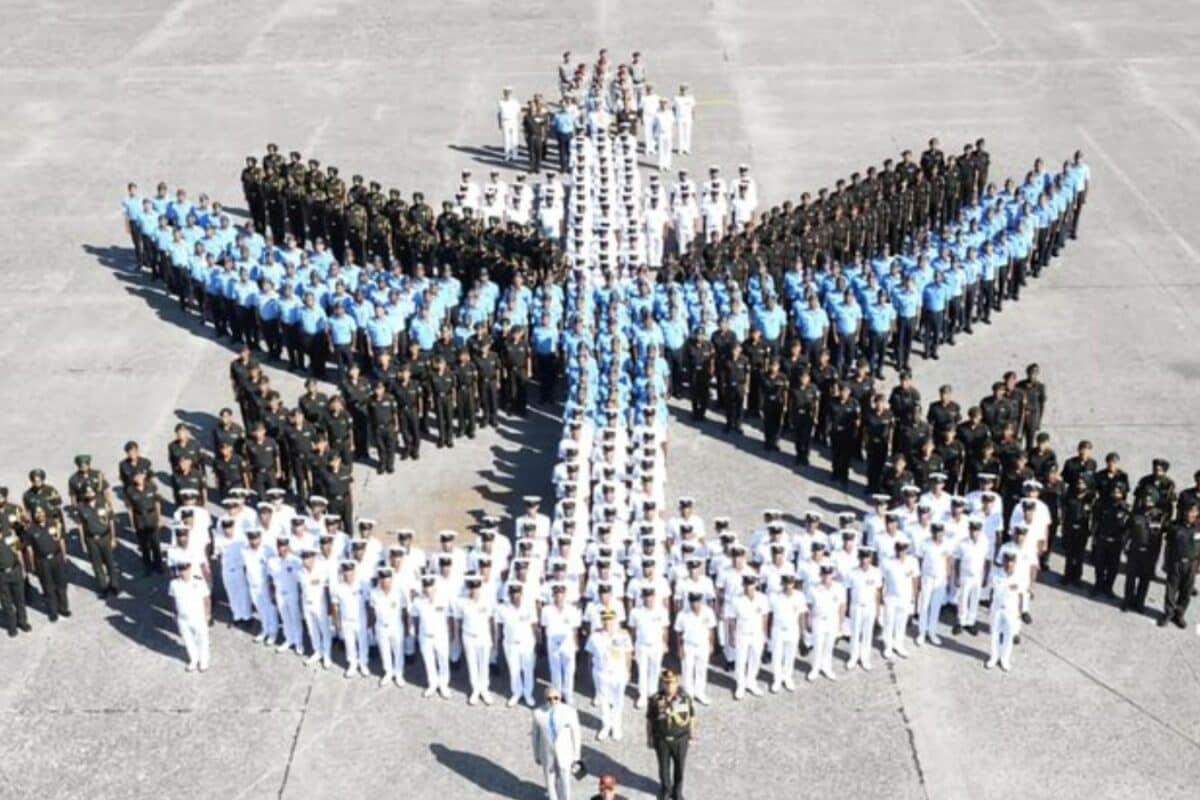
Theatre Command Plan Nears Approval After 20 Years: What Changes For India's Military? Written By, Last Updated: July 13, 2026, 14:22 IST Theatreisation seeks to transform how wars are planned, commanded and fought, bringing the Army, Navy and Air Force under unified operational leadership Rapid Read A theatre command replaces the service-specific structure with a single commander responsible for all military assets in a defined geographical area or operational domain. (X) India’s long-pending plan to reorganise its armed forces into integrated theatre commands is once again in focus, with Chief of Defence Staff (CDS) General NS Raja Subramani expected to soon present the military’s theatreisation strategy to Defence Minister Rajnath Singh. The move, reported by Hindustan Times, could bring India closer to implementing one of its biggest defence reforms since Independence after nearly two decades of deliberations. If approved, the reform would fundamentally change how the Army, Navy and Air Force prepare for and fight wars. What Are Theatre Commands? At present, India’s three armed services function largely through 17 separate operational commands—seven under the Army, seven under the Air Force and three under the Navy. Each service has its own chain of command, planning process and operational responsibilities. A theatre command replaces this service-specific structure with a single commander responsible for all military assets in a defined geographical area or operational domain, regardless of whether they belong to the Army, Navy or Air Force. For example, if a conflict breaks out on India’s western border, one integrated commander would have authority over the Army formations, Air Force squadrons and naval assets assigned to that theatre instead of the three services operating through separate command structures.
How Will India’s Structure Change? According to proposals that have evolved over the past few years, India is expected to create three integrated theatre commands Northern Theatre Command to focus on the China border. Western Theatre Command for the Pakistan front. Maritime Theatre Command covering the Indian Ocean Region. Alongside these, specialised organisations such as the Air Defence Command and logistics integration are expected to improve coordination across services. The proposed headquarters are reported to be Lucknow (Northern), Jaipur (Western) and Thiruvananthapuram (Maritime). Why Does India Want Theatre Commands? The primary objective is jointness. Modern wars increasingly require land, air, sea, cyber and space capabilities to work together in real time. Instead of each service planning separately, theatreisation aims to create unified operational planning. According to defence experts, this could speed up military decision-making, improve coordination during crises, reduce duplication of resources, allow better sharing of intelligence, make operations more cost-effective, and enhance India’s ability to fight simultaneous conflicts on multiple fronts. The concept has gained urgency after recent conflicts, including Russia-Ukraine and the Israel-Hamas war, highlighted the importance of integrated operations involving drones, missiles, cyber capabilities and electronic warfare. How Do Other Countries Use Theatre Commands? Several major militaries already operate through theatre commands. The United States has unified combatant commands responsible for different regions of the world, while China reorganised its military into five theatre commands in 2016 as part of sweeping reforms under President Xi Jinping. The move was aimed at improving joint operations across services. India has two existing tri-service commands, the Andaman and Nicobar Command and the Strategic Forces Command, but the proposed reform would extend integration across the country’s conventional military operations.
 The BriefWire