After 80 Years, Japan Is Building Its First Spy Agency. But, Why Now?
After 80 Years, Japan Is Building Its First Spy Agency. But, Why Now? Published By, Last Updated: July 13, 2026, 13:19 IST Japanese leaders have
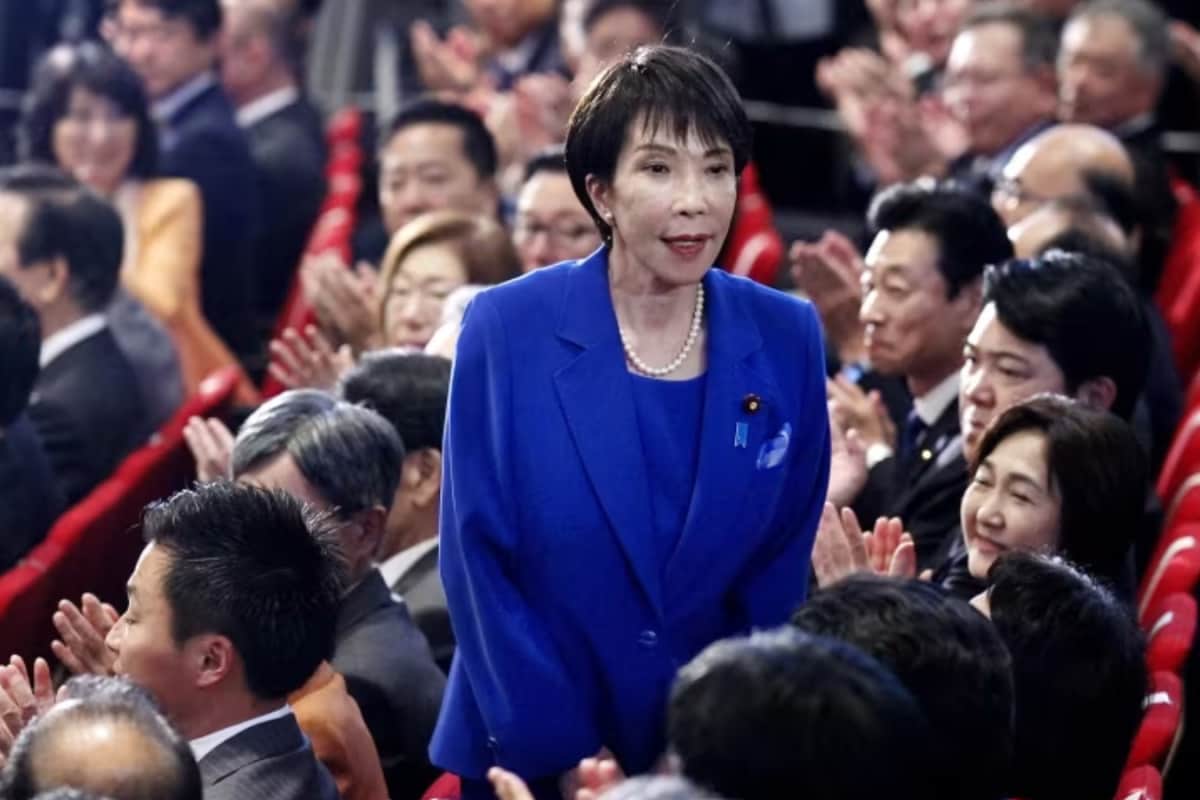
After 80 Years, Japan Is Building Its First Spy Agency. But, Why Now? Published By, Last Updated: July 13, 2026, 13:19 IST Japanese leaders have privately consulted the United States, Australia and Germany on various aspects of the centralised spy project. Japanese Prime Minister Sanae Takaichi. (File) Japan is undertaking one of its biggest national security reforms since World War II by creating its first centralised intelligence agency, a move aimed at strengthening the country’s ability to counter espionage, cyberattacks and foreign influence operations. The initiative, led by Prime Minister Sanae Takaichi, marks a major shift in Japan’s security strategy. As part of the effort, Tokyo has quietly sought advice from the United States, Australia and Germany on technology, staffing and intelligence-sharing while building the new agency. Japan has never had a single, central intelligence organisation since the end of World War II. Instead, intelligence has remained divided among the police, defence ministry, foreign ministry and other departments, with experts saying poor coordination has left the country vulnerable to espionage and foreign interference. Why Japan wants a spy agency? According to reports, Japan believes the regional security environment has become significantly more dangerous because of China’s growing military presence and influence operations, Russia’s activities and North Korea’s missile and nuclear programmes. A report by The New York Times said dozens of Russian spies have moved to Japan in recent years as Moscow sought to obtain weapon components and bypass international sanctions.
Foreign officials reportedly warned Japan about the activity, but the country was slow to respond. The new intelligence agency is expected to detect foreign spies, protect government secrets and critical technologies, counter cyberattacks, combat disinformation campaigns and improve intelligence-sharing across government departments. Prime Minister Takaichi, who has a vision of a “strong and prosperous" Japan, has already eased restrictions on weapons exports and overseen Japan’s biggest post-war defence build-up. Western allies helping build the agency Japanese leaders have privately consulted the United States, Australia and Germany on various aspects of the project. According to officials familiar with the discussions, US intelligence agencies have advised Japan on cyber defence, industrial espionage and screening foreign investments and overseas agents. Germany’s foreign intelligence chief recently visited Tokyo to discuss intelligence cooperation, while Australian officials have shared advice on technology and ways to improve coordination between ministries. Andrew Shearer, Australia’s ambassador to Japan and former director general of national intelligence, said Japan’s intelligence capabilities had “been frozen in time for decades" and described the reform as a major political priority for Takaichi. The Japanese government declined to comment on reports that it was seeking foreign assistance, saying only that it maintains close cooperation with counterparts in relevant countries. However, the proposal has drawn criticism from opposition politicians and activists.
 The BriefWire