These AI Drones Can Fly 1,000 Km And Destroy Themselves. Here's Why India Wants Them
These AI Drones Can Fly 1,000 Km And Destroy Themselves. Here's Why India Wants Them Published By, Last Updated: July 13, 2026, 13:13 IST The
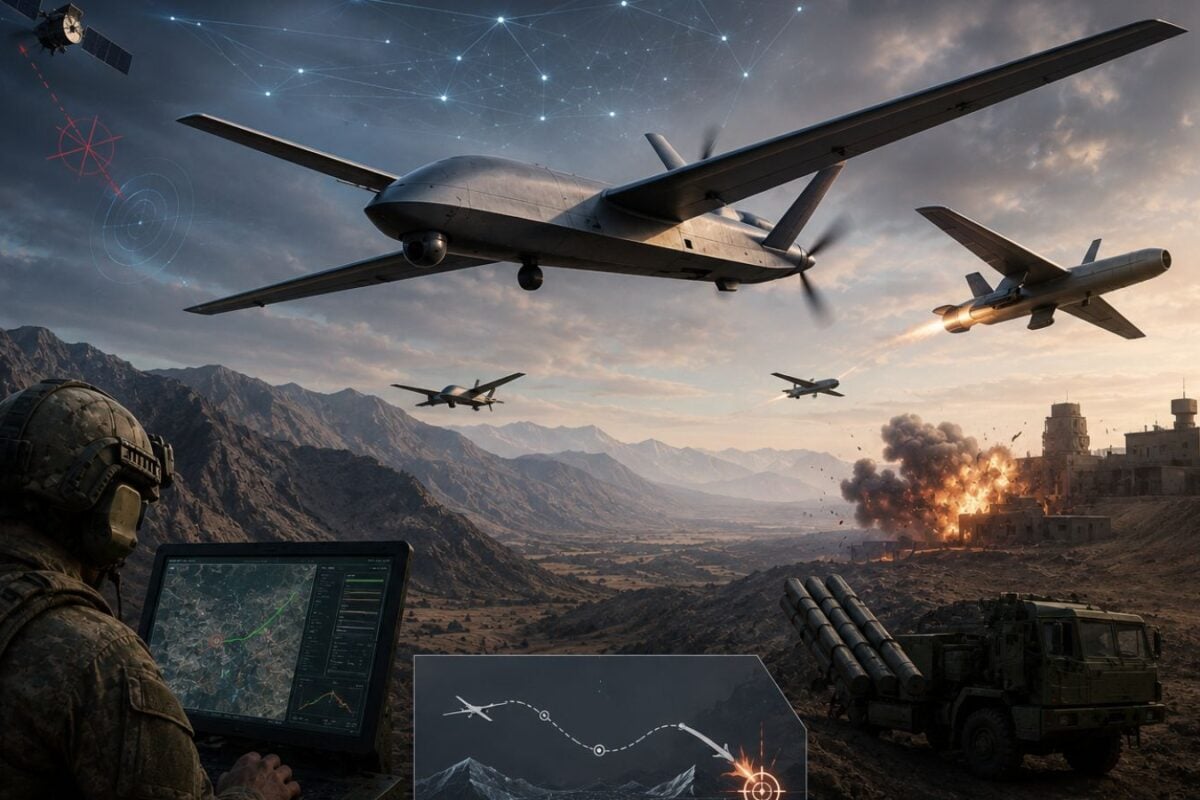
These AI Drones Can Fly 1,000 Km And Destroy Themselves. Here's Why India Wants Them Published By, Last Updated: July 13, 2026, 13:13 IST The strike range would allow the military to engage strategic targets far beyond the immediate battlefield without risking aircraft or relying solely on long-range missiles Rapid Read One-way attack drones, also known as loitering munitions or kamikaze drones, are designed to destroy themselves when they hit the target. (AI-Generated Image) The Indian Army is looking to acquire a new generation of indigenous, AI-enabled attack drones capable of striking targets up to 1,000 km away in a move that reflects how warfare is rapidly shifting from expensive missiles and fighter jets to relatively low-cost autonomous weapons. The procurement is being pursued under the Long Range Loiter Munition (LRLM) programme through the Make-II route, with the Army seeking systems that can operate even in GPS-denied environments using artificial intelligence, The Economic Times reported. What Exactly Are One-Way Attack Drones? Unlike surveillance drones that return after completing a mission, one-way attack drones, also known as loitering munitions or kamikaze drones, are designed to destroy themselves when they hit the target. They are launched toward a target area, can loiter overhead searching for the right opportunity, and then dive into the target with an explosive payload, Times of India reported.
Think of them as a cross between a drone and a cruise missile. Unlike traditional missiles, however, they can change course mid-flight, wait for a target to appear, or abort an attack if required. According to the report, the platform should be capable of carrying a 25-kg warhead with a 50-metre kill radius, fly at altitudes above 5,000 metres and achieving speeds of at least 400 kmph. Why Is Indian Army Asking For AI-Enabled Versions? According to the ET report, the army wants drones that can strike targets as far as 1,000 kilometres away, navigate even if GPS signals are jammed, use AI for autonomous target identification, and be developed domestically under the Make-II programme. Artificial intelligence would help the drones identify and engage designated targets more accurately while reducing dependence on satellite navigation, which can be disrupted during war. Why Are These Drones So Important? Recent conflicts have transformed military thinking. The Russia-Ukraine war has shown how relatively inexpensive drones can destroy tanks, air defence systems, ammunition depots and strategic infrastructure that cost millions of dollars. Similar drones have also featured prominently in conflicts involving Iran, Israel and the Red Sea. Experts quoted by Research Gate argue that affordable drones have “democratised" precision warfare by allowing countries to conduct long-range precision strikes without relying exclusively on expensive fighter aircraft or cruise missiles.
 The BriefWire