Tirupati State Aarathi For Karnataka MLAs? VVIP Row Over DK Shivakumar's Temple Access Plan
Tirupati State Aarathi For Karnataka MLAs? VVIP Row Over DK Shivakumar's Temple Access Plan Published By, Last Updated: July 13, 2026, 12:30 IST The State
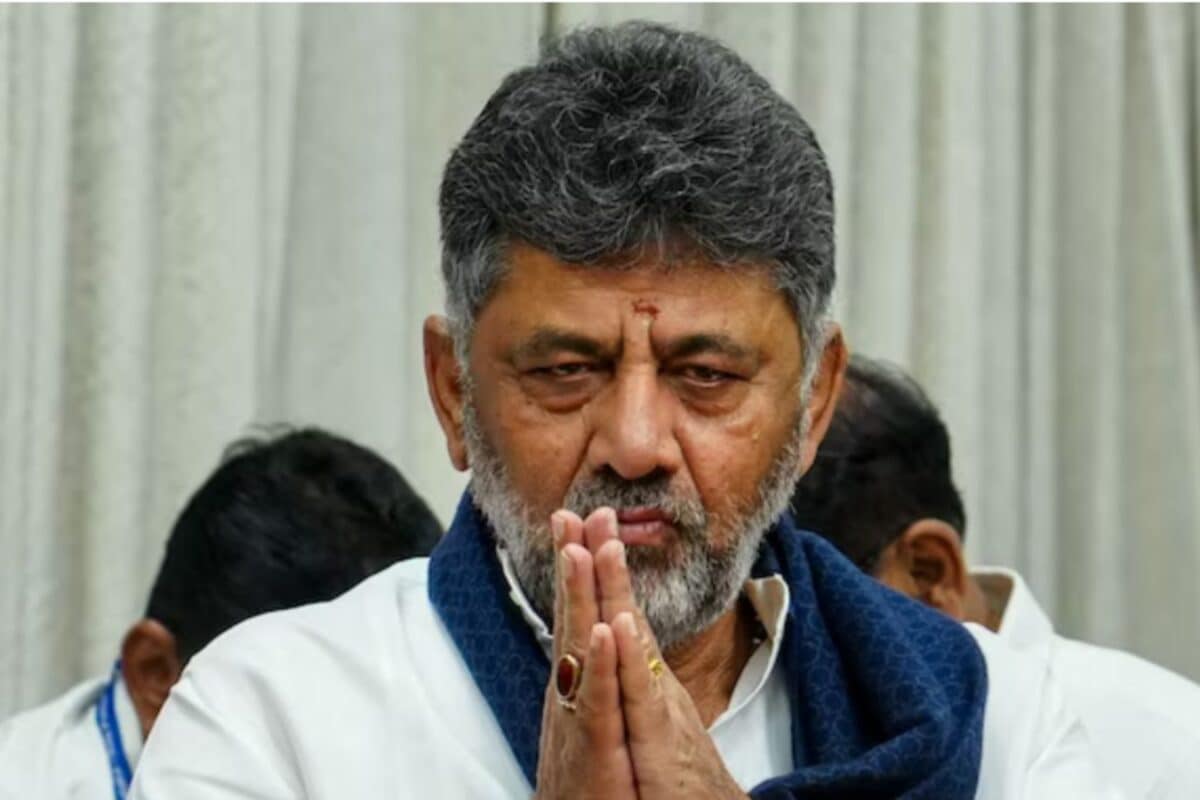
Tirupati State Aarathi For Karnataka MLAs? VVIP Row Over DK Shivakumar's Temple Access Plan Published By, Last Updated: July 13, 2026, 12:30 IST The State Aarathi (or Rajya Harathi) is a ceremonial honour offered by Tirumala Tirupati Devasthanams (TTD) to distinguished guests and public representatives on select occasions. Rapid Read Karnataka Chief Minister DK Shivakumar (Credits: X) Karnataka Chief Minister DK Shivakumar has triggered a fresh debate on the role of religion in official state protocol after announcing that the sacred “State Aarathi" offered at the Tirumala temple would also be extended to visiting dignitaries and VIPs coming to Karnataka. The proposal comes at a time when VIP access at India’s most prominent temples – from Tirupati and Mahakaleshwar to Kashi Vishwanath – has increasingly come under public and judicial scrutiny. Questions over whether public representatives and influential personalities should receive preferential treatment at places of worship have become a recurring national debate. Speaking after offering prayers at the Tirumala temple, Shivakumar said Karnataka wanted to extend the temple’s ceremonial State Aarathi to distinguished guests visiting the state. According to Deccan Herald, Shivakumar said, “The State’s Aarathi at Tirupati will also be provided to VIPs." Shivakumar said that legislators and people’s representatives go to Tirupati but come back without having a ‘Darshan,’ adding, “Now, they will be allowed to stand in front of God and take the Aarathi." He described it as a gesture of honour for important visitors rather than a change in temple rituals themselves. The proposal is aimed at incorporating an existing ceremonial honour into Karnataka’s official hospitality for dignitaries. The announcement has immediately drawn attention because it involves one of India’s most revered temples and a ritual traditionally associated with Tirumala. Speaking to CNN-News18, Karnataka BJP leader Ashok Gowda opposed the move saying the facility of VIP darshan was already available at Tirupati and the move to now give MLAs access to the State Aarathi was unnecessary.
What Is The ‘State Aarathi’? The State Aarathi (or Rajya Harathi) is a ceremonial honour offered by the Tirumala Tirupati Devasthanams (TTD) to distinguished guests and public representatives on select occasions. It is different from ordinary darshan. Rather than merely allowing faster access to the deity, the ceremony involves temple priests offering sacred blessings, honours and prasadam as part of a formal ritual. The practice has long existed for constitutional authorities, heads of state and other distinguished visitors. Last year, the TTD also decided that elected representatives from Karnataka – including Members of Parliament, Members of the Legislative Assembly and Members of the Legislative Council – would be allowed to participate in the temple’s First Aarathi after requests from Karnataka leaders. Shivakumar’s latest proposal appears to build upon this growing institutional relationship between Karnataka and the Tirumala temple. Why Tirupati Matters To Karnataka Although the Tirumala temple is located in Andhra Pradesh, it has an enormous devotee base in neighbouring Karnataka. Every year, lakhs of devotees from Karnataka visit the shrine, making it one of the largest groups of pilgrims after Andhra Pradesh and Telangana. Successive Karnataka governments have maintained close ties with the temple administration, while politicians cutting across party lines routinely visit Tirupati before elections, cabinet expansions or major political events. Shivakumar’s proposal can, therefore, also be seen as an attempt to formalise Tirupati’s cultural significance within Karnataka’s official protocol for visiting dignitaries. How VIP Darshan Works At Tirupati Tirupati already operates one of the country’s most structured VIP darshan systems. The TTD categorises privileged access under different protocol arrangements, including constitutional authorities, judges, ministers, MPs, MLAs and senior government officials. Certain donors and institutional invitees may also receive access under specified categories. Most VIPs receive what is commonly known as “Break Darshan," which allows entry before regular public darshan begins.
 The BriefWire