ITTF President Petra Sorling Backs UTT Model, Hails India's Progress | Exclusive
ITTF President Petra Sorling Backs UTT Model, Hails India's Progress | Exclusive Published By, Last Updated: July 13, 2026, 07:00 IST ITTF president Petra Sorling
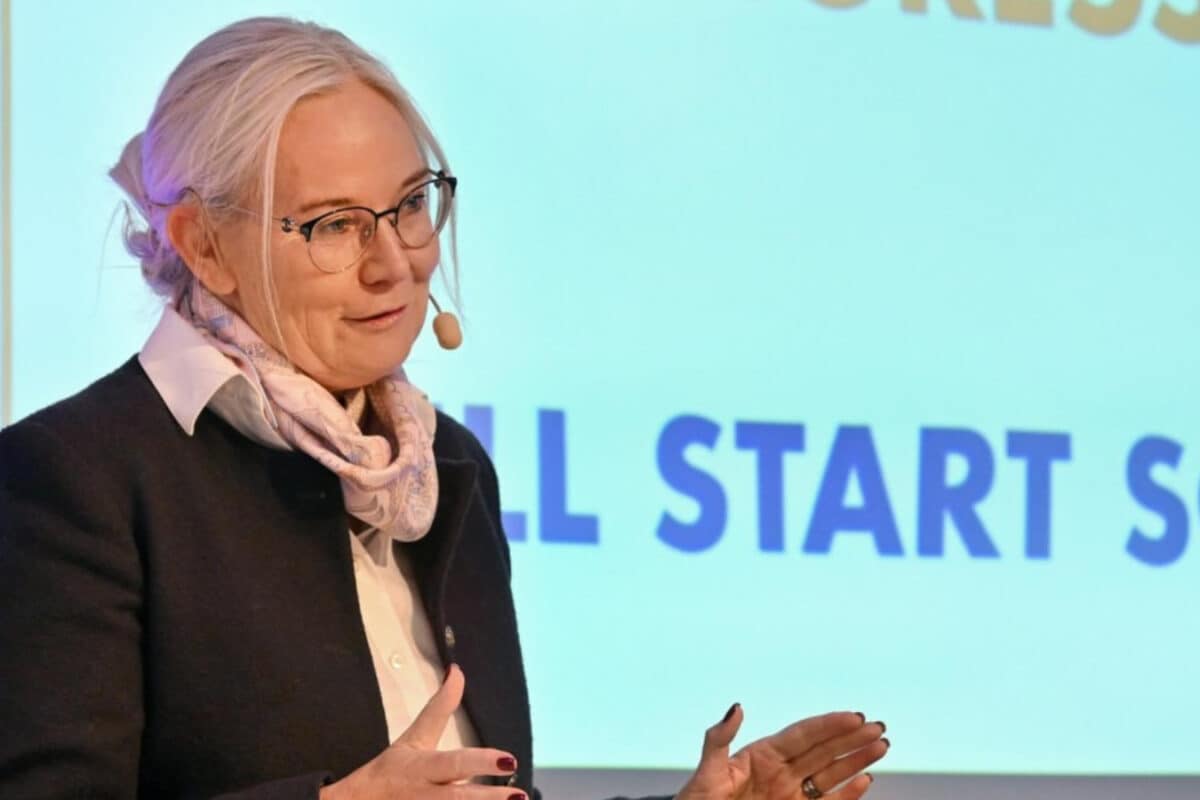
ITTF President Petra Sorling Backs UTT Model, Hails India's Progress | Exclusive Published By, Last Updated: July 13, 2026, 07:00 IST ITTF president Petra Sorling praises UTT as an innovative league that could inspire similar models globally, while hailing India's rise and embracing AI in the sport. Petra Sorling says ITTF board has achieved gender parity. (Picture Credit: IG/petra_sorling) International Table Tennis Federation (ITTF) president Petra Sorling has said that India has been very ‘innovative’ in conceiving a league like Ultimate Table Tennis (UTT), adding that the league’s success has prompted her to consider whether a similar model could work in other countries. Launched in 2017, UTT is now in its seventh season and has continued to expand over the last nine years. New rules like the golden point rule and the latest entrant, an AI-powered review system, have been added with an aim to pique excitement and, in turn, a spike in viewership. “It is something very innovative that you have created here in India. We have seen similar franchise models in other sports, but table tennis is unique in that regard. This is the seventh edition of the league," Sorling said while speaking to News18 Sports on the sidelines of the competition. “I was not here last year, but I have attended several previous editions and last night I found myself thinking about whether this franchise-based concept could work in other parts of the world," Sörling added. The ITTF president believes the UTT franchise model has the potential to be replicated in other parts of the world. As per Sorling, the league blends the corporate side of sport with elite competition, while its mixed-team format adds a unique dimension that makes the tournament even more attractive. “I am not sure it can be copied and pasted into countries that already have strong, established leagues. But in nations where there is no professional league, or where existing leagues are still finding their footing, I think this model could work very well," Sörling said. The ITTF president was all praise for the quality of Indian youngsters who have come up over the past few years, adding that the country has made massive progress in the sport, which is now visible on the world stage. “Last year, I had the privilege of presenting medals at the World Youth Championships in Romania and I was moved to see the Indian team on the podium.
Coming from Sweden, a country with a rich table tennis tradition, I know just how difficult that achievement is," Sorling said. “In recent editions of the Youth World Championships, Sweden has not even managed to qualify, which shows the high standard of the competition. The fact that India is now winning medals at that level reflects the tremendous progress the country has made," Sorling added. The ITTF chief said that it was exciting to watch so many talented young paddlers in action and expressed confidence that many of them would go on to become stars at the senior level. The last Swedish player to win a medal at the ITTF World Youth Championships was William Bergenblock, who claimed bronze in the Under-15 mixed doubles alongside Poland’s Natalia Bogdanowicz. What, in Sorling’s opinion, has been the biggest reason behind Sweden’s decline at the youth level since then? “I think it says a lot about how much table tennis has evolved as a global sport. It is not as region-specific as it once was, and the level of competition today is high. It also shows that if you work systematically, invest in young players from an early age and provide structured training and competitive chances, the results will follow," Sorling said. “I believe India has done an excellent job in that regard, not only by bringing in quality coaches but also through initiatives like UTT. It’s a great example because it allows young players to compete alongside experienced professionals, helping them gain valuable exposure," he added. The ITTF president said that nations that are yet to achieve similar success need to reassess their systems and identify areas that require improvement. As per Sörling, sustained success in table tennis isn’t built on countless hours of practice alone, but also on high-quality coaching, structured player development programmes and a strong competitive ecosystem. Table tennis has been dominated by Asian countries. As president of the federation, what are Sorling’s plans to expand the sport’s reach and strengthen its presence in regions such as Europe and other emerging markets? “This has been one of our key priorities for many years. Our development programme was created with this objective in mind. For table tennis to continue growing, it has to be relevant across the world, not just in one region," Sorling said. “We are already beginning to see encouraging results. Players from Africa, including Uganda and from the Americas, such as Colombia, have started winning championships and medals at international events," Sorling added.
 The BriefWire