New era for Gibraltar with removal of 118-year-old border controls with Spain
Every weekday morning, Shilpi Chotrani rides her bicycle from her home in the Spanish town of La Línea de la Concepción to Gibraltar. It's a
Every weekday morning, Shilpi Chotrani rides her bicycle from her home in the Spanish town of La Línea de la Concepción to Gibraltar. It's a short journey but it means crossing an international border. A British Overseas Territory of around 40,000 inhabitants, Gibraltar has a border control for those entering and leaving. That means that during the morning and afternoon rush hours, when around 15,000 Spaniards who work in the territory cross the frontier, there can be long, time-consuming queues.
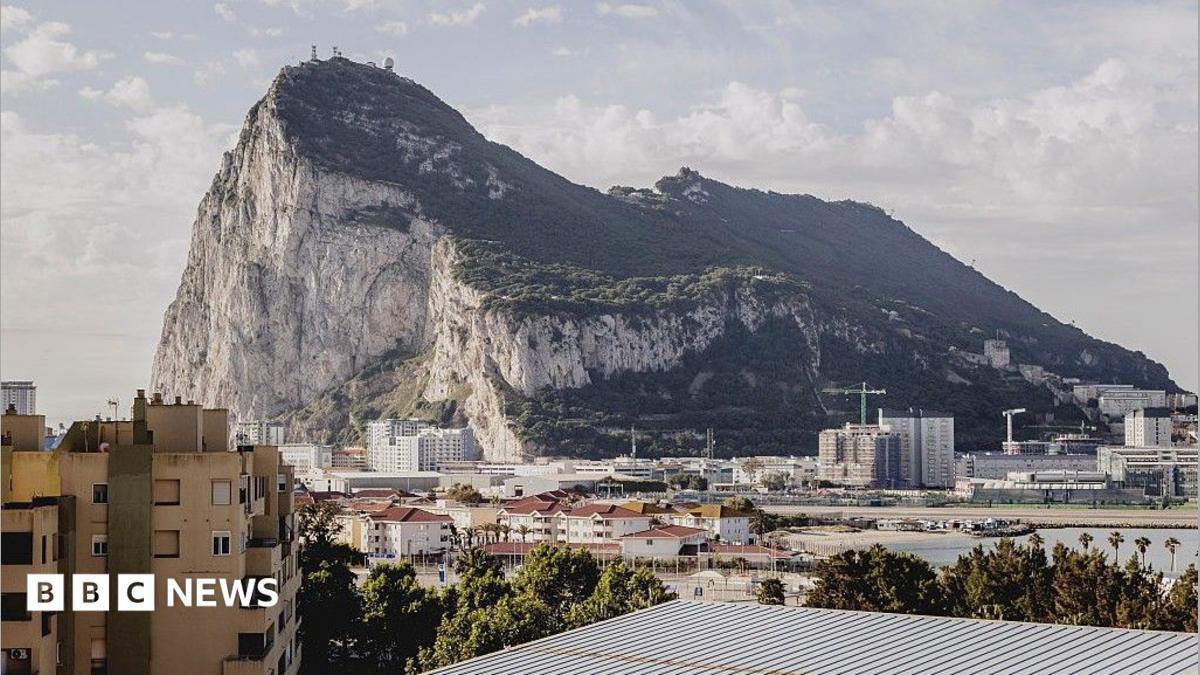
"The fact that there is a border between us is ridiculous," says Chotrani, who has a job in human resources in a Gibraltarian shipping and tourism company. "I don't think a fence should separate people from one place and another." Behind her, the 1,400-foot-tall Rock of Gibraltar is shrouded in early-morning cloud. Perched at the southern tip of mainland western Europe, it is just nine miles from Morocco, at a point where the Atlantic Ocean and the Mediterranean Sea meet.
It is a place that has witnessed military battles, sovereignty disputes and a 13-year blockade imposed by Spain. But from 15 July it is scheduled to see a new development - the removal of the border, allowing freedom of movement between Spain and Gibraltar. This is part of a carefully negotiated agreement between the European Union and the UK following the latter's exit from the bloc. Sharing a land border with the EU meant that Gibraltar posed a unique challenge in the post-Brexit era.
"This is going to be a great step forward, both for the Spanish side and the British side," says Chotrani. "All of those of us who live [in La Línea de la Concepción] think this is a great idea. This should have been done a long time ago."
 The BriefWire