Pakistan, Iran Foreign Ministers Discuss US Situation, Call For De-Escalation And Dialogue | Exclusive
Pakistan, Iran Foreign Ministers Discuss US Situation, Call For De-Escalation And Dialogue | Exclusive Reported By, Last Updated: July 12, 2026, 14:32 IST During the
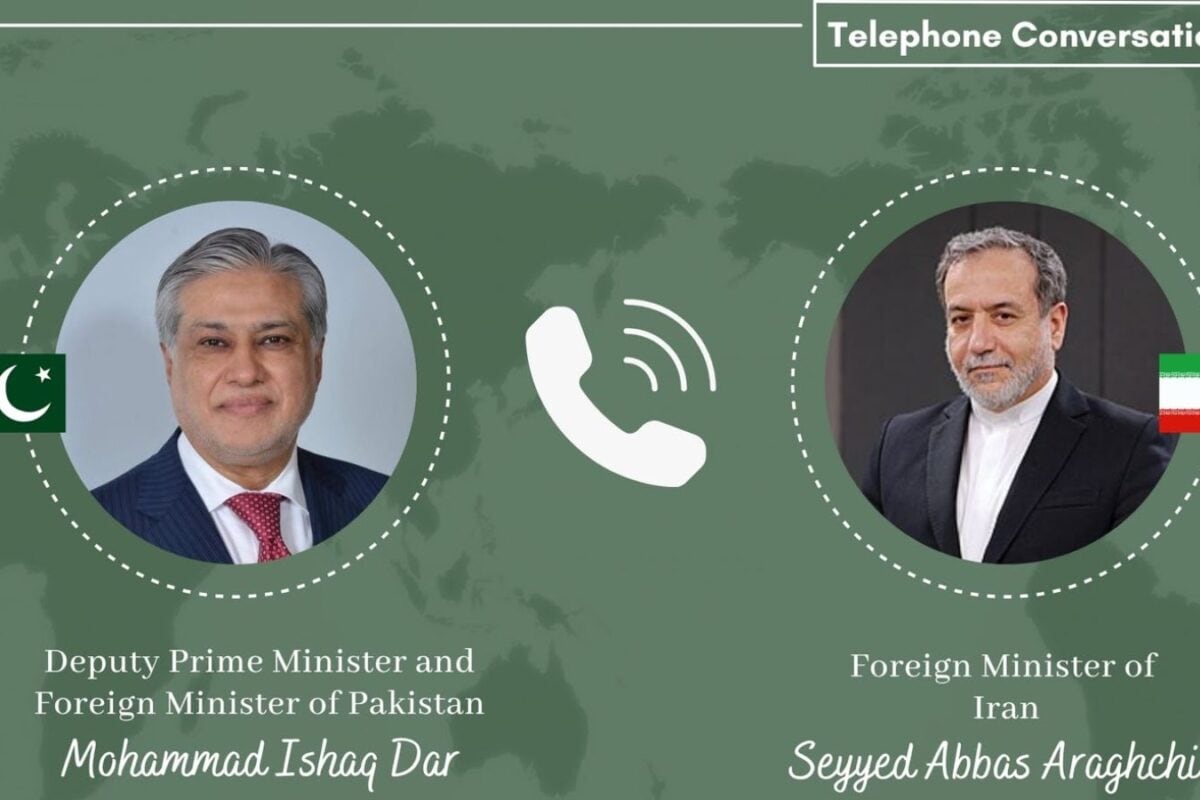
Pakistan, Iran Foreign Ministers Discuss US Situation, Call For De-Escalation And Dialogue | Exclusive Reported By, Last Updated: July 12, 2026, 14:32 IST During the conversation, Dar urged all parties to exercise restraint and adhere to the path of de-escalation Rapid Read News18 Pakistan’s Deputy Prime Minister and Foreign Minister, Senator Mohammad Ishaq Dar, held a telephone conversation with Iranian Foreign Minister Seyyed Abbas Araghchi to discuss the evolving regional situation, according to Pakistan’s Ministry of Foreign Affairs. During the conversation, Dar urged all parties to exercise restraint and adhere to the path of de-escalation, in line with the commitments outlined in the Islamabad Memorandum of Understanding (MoU) agreed in June 2026. The Pakistani Foreign Minister emphasised that dialogue and diplomacy remain the only viable means of resolving disputes and ensuring lasting peace and stability across the region.
Dar also reiterated Pakistan’s readiness to continue playing a constructive role in promoting regional peace and stability amid the evolving geopolitical situation. Both leaders exchanged views on recent regional developments and agreed to remain in close contact as the situation continues to unfold. The phone conversation comes amid heightened regional tensions, with Islamabad reaffirming its support for diplomatic engagement and peaceful conflict resolution. What is the Islamabad MoU? The Islamabad Memorandum of Understanding (MoU) is a landmark 14-point framework peace agreement signed on 17 June 2026 between the United States and the Islamic Republic of Iran. Mediated primarily by Pakistan (with endorsement from Pakistani Prime Minister Shehbaz Sharif), the interim agreement was designed to halt intense direct and proxy military hostilities from the war that erupted in February 2026, extend a temporary ceasefire for 60 days, and establish a diplomatic pathway toward a permanent peace deal.
The fragile agreement is facing immediate collapse following reports of renewed U.S. airstrikes in southern Iran and the reinstatement of U.S. oil sanctions. The official framework contains several key objectives Termination of Hostilities: An immediate and permanent halt to all military operations across all fronts, explicitly including the conflict in Lebanon. Maritime Reopening: Iran committed to reopening the strategically vital Strait of Hormuz to unrestricted, toll-free international commercial shipping for 60 days. Lifting the Blockade: The U.S. agreed to completely dismantle its naval blockade on Iranian ports within a 30-day window. Financial & Reconstruction Fund: The U.S., alongside regional partners, committed to developing a $300 billion plan for Iran’s economic reconstruction. Sanctions Relief: A general 60-day license was authorized by the U.S. allowing Iranian oil sales, alongside an intention to eventually roll back broader U.S. and UN Security Council sanctions.
 The BriefWire