Big Defence Boost: Centre To Let Private Firms Build India’s Missiles — What It Means
Big Defence Boost: Centre To Let Private Firms Build India’s Missiles — What It Means Published By, Last Updated: July 12, 2026, 09:02 IST Centre's
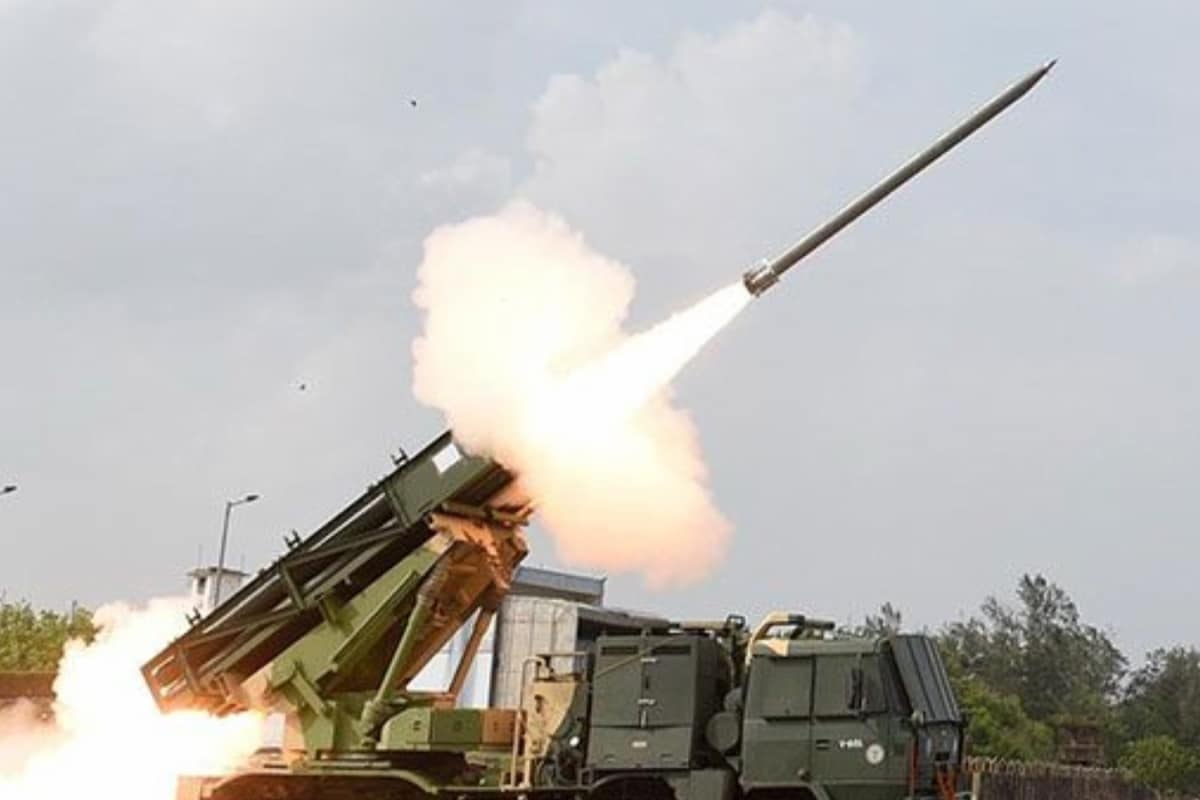
Big Defence Boost: Centre To Let Private Firms Build India’s Missiles — What It Means Published By, Last Updated: July 12, 2026, 09:02 IST Centre's decision follows growing demand from the Indian armed forces and friendly foreign countries, which state-owned Bharat Dynamics Ltd is currently unable to fully meet. Image Used For Representation Only (Credit: ANI) In a major shift in India’s defence manufacturing policy, the Centre is preparing to allow private Indian companies to build and develop missiles, a sector that has so far remained largely under state-run defence organisations. The move comes as Indonesia has expressed interest in acquiring the Defence Research and Development Organisation’s (DRDO) Astra missile, while the government looks to expand domestic production and meet rising export demand. India has already opened several defence sectors to private participation, including aircraft, drones, artillery and naval platforms. Opening the missile sector would mark one of the biggest reforms in the country’s defence manufacturing, as missile production has traditionally been regarded as a strategic and tightly controlled area. Private firms to manufacture Astra Mark 2 According to information accessed by Hindustan Times, the Defence Ministry will soon issue a Request for Proposal (RFP) inviting private companies to manufacture the Astra Mark 2 beyond-visual-range (BVR) air-to-air missile.
Companies expected to participate include ICOMM, Adani, Bharat Forge, the Tata Group and the Mahindra Group. The decision follows growing demand from the Indian armed forces and friendly foreign countries, which state-owned Bharat Dynamics Ltd is currently unable to fully meet. The Astra Mark 2 has a strike range of 180-200 kilometres and has been developed by the DRDO. It was designed to counter China’s long-range PL-15E air-to-air missile, which was supplied to Pakistan ahead of Operation Sindoor last year. The missile is expected to be integrated with Tejas Mark 1-A, MiG-29, Su-30 MKI and Rafale Marine fighter aircraft. Pralay missile next in line People familiar with the development said the next missile likely to be opened to the private sector for both development and manufacturing is the Pralay tactical ballistic missile. Pralay has a range of 500 kilometres and is a two-stage missile capable of travelling at six times the speed of sound. It forms part of India’s Integrated Rocket Forces, which also include the newly developed Long-Range Land Attack Cruise Missile (LRLACM), the next-generation BrahMos missile and the extended-range Pinaka multi-barrel rocket launching system capable of striking targets up to 300 kilometres away.
 The BriefWire