What Did The US Hit In Iran? Missile Sites, Drone Bases, Radars And Air Defences Targeted In Fresh Strikes
What Did The US Hit In Iran? Missile Sites, Drone Bases, Radars And Air Defences Targeted In Fresh Strikes Published By, Last Updated: July 12
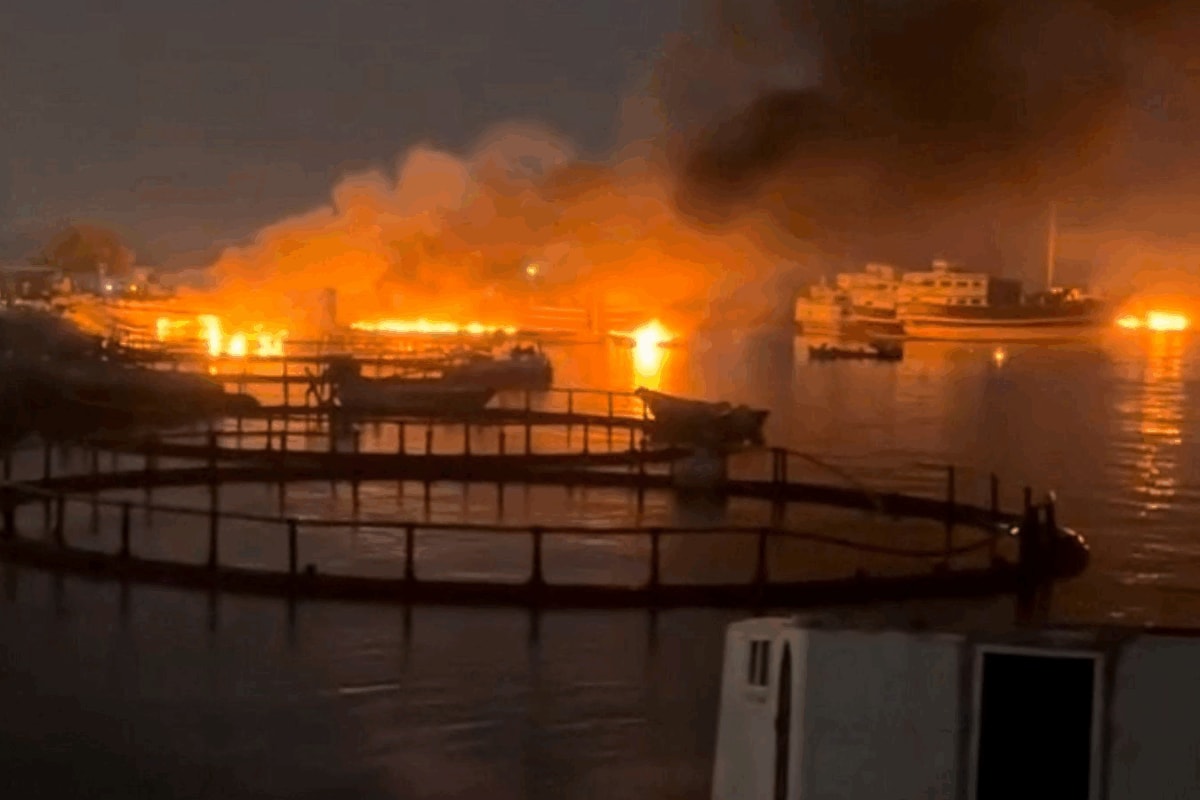
What Did The US Hit In Iran? Missile Sites, Drone Bases, Radars And Air Defences Targeted In Fresh Strikes Published By, Last Updated: July 12, 2026, 07:41 IST US officials said the latest American strikes targeted multiple elements of Iran's anti-ship military network. Smoke rises from a port near the Strait of Hormuz, following a US strike in Kuhestak, Hormozgan Province, Iran. (Source: Reuters) The United States launched a third wave of military strikes on Iran on Sunday, hours after Tehran declared the Strait of Hormuz closed again following an incident involving a commercial vessel. The latest attacks mark another sharp escalation in the conflict between the two countries and further weaken the fragile ceasefire agreement reached last month. According to reports, Iran announced that the strategic waterway would remain closed after a vessel using what it described as an “unauthorised route" was fired upon with warning shots. The US had earlier warned that any further attacks on commercial shipping would trigger a military response. What targets did the US hit? According to Axios, citing a US official, the latest strikes targeted multiple elements of Iran’s anti-ship military network.
The reported targets included air surveillance radars, missile and drone storage facilities, missile and drone launch sites, surface surveillance radars and surface-to-air missile launchers. Officials said the strikes were designed to hit every major layer of Iran’s anti-ship capability. This included the systems used to detect ships, the storage sites holding missiles and drones, the launch platforms used to fire them and the air defence systems protecting those assets. The latest operation is the third round of US strikes this week and comes after the Islamic Revolutionary Guard Corps (IRGC) attacked a commercial ship and announced the closure of the Strait of Hormuz. Strikes reported across southern Iran Reports said the impact zones stretched from Asaluyeh to Bushehr, while unconfirmed reports also suggested air defence activity over Tehran. At least 10 large explosions were reported in Bandar-e-Jask. US airstrikes were also reported against Asaluyeh in southern Iran, with additional strikes taking place in Bushehr. Asaluyeh is considered the onshore hub of the South Pars gas field, one of the most important assets in Iran’s energy sector. The strikes came shortly after the IRGC Navy targeted a commercial vessel, declared the Strait of Hormuz closed and challenged Washington to respond.
US officials had earlier warned that further attacks on commercial ships would invite military retaliation. “If they keep on shooting at ships… we’re going to hit ’em back," US officials had said before the latest operation. Strait of Hormuz at the centre of tensions The latest escalation began after Iran declared the Strait of Hormuz closed once again following the incident involving a commercial vessel. The strategic waterway is one of the world’s busiest shipping routes and is critical for global oil and natural gas supplies. Senior US officials had previously said negotiations aimed at strengthening last month’s ceasefire agreement could not continue unless the Strait of Hormuz remained secure. Washington had also expected Iran to publicly reaffirm that international shipping would continue safely through the waterway. Instead, Iran announced that the strait would remain closed until further notice. Oman proposal under discussion Even as military action intensified, diplomatic efforts continued. According to reports, Iranian Foreign Minister Abbas Araghchi is heading back to Iran carrying a proposal from Oman aimed at managing traffic through the Strait of Hormuz. The proposal reportedly suggests operating the waterway through two separately controlled shipping routes.
 The BriefWire