UP court sentences man 27 years after fake affidavit helped him get police job
A court in Agra, Uttar Pradesh, has sentenced a man to three years in prison, nearly 27 years after he secured the police job by
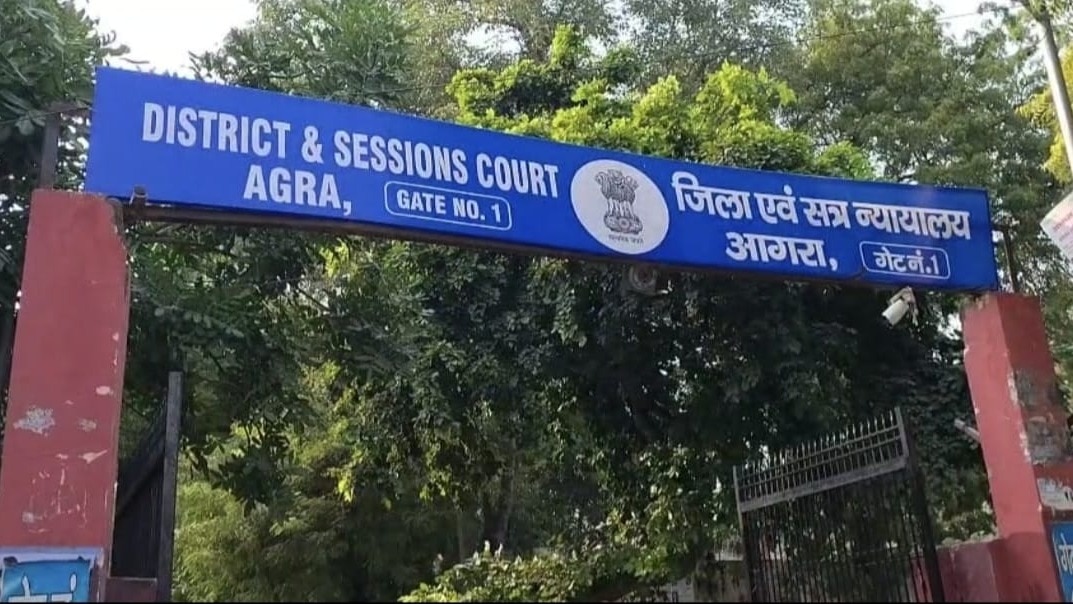
A court in Agra, Uttar Pradesh, has sentenced a man to three years in prison, nearly 27 years after he secured the police job by submitting a fake affidavit during the recruitment process. The court found Bhojraj, a resident of Sithrapur village in Uttar Pradesh's Hathras district, guilty of cheating and using forged documents to obtain employment in the Provincial Armed Constabulary (PAC). In addition to the jail term, the court imposed a fine of Rs 3,000. Failure to pay the fine will result in additional imprisonment.
Read Full Story The case dates back to 1998-99 and remained in the judicial system for more than two-and-a-half decades before reaching its conclusion. According to the prosecution, Bhojraj submitted a false affidavit while applying for the post of constable in the PAC in 1999. During the verification of his documents, authorities detected irregularities, triggering an investigation into the recruitment process. Based on a complaint filed by then clerk Pradeep Kumar Verma, a case was registered against Bhojraj at Tajganj police station in Agra on January 1, 1999.
He was booked under charges related to cheating and the use of forged documents. After completing the investigation, police filed a chargesheet before the court on May 31, 1999. The trial was heard in the court of Special Chief Judicial Magistrate Shivanand Gupta. During the proceedings, the prosecution presented witness testimonies and documentary evidence to support its case. After examining the evidence and hearing arguments from both sides, the court held Bhojraj guilty of obtaining government employment through fraudulent means. The court sentenced him to three years' imprisonment and imposed a monetary penalty of Rs 3,000.
Commenting on the verdict, prosecution officer Rajesh Kumar said the accused had submitted an incorrect affidavit during the recruitment process. "The affidavit submitted by the accused was found to be false during court proceedings, on the basis of which the sentence was awarded," he said. The ruling brings to a close a case that lingered in the courts for nearly 27 years, highlighting the long legal journey of a recruitment fraud matter dating back to the late 1990s. Ends
 The BriefWire