T. rex could become most expensive fossil ever - but it's a problem for scientists
In 1997, Sotheby's hosted its first natural history auction selling fossils and other wonders of our prehistoric world. It was a niche event mostly attended
In 1997, Sotheby's hosted its first natural history auction selling fossils and other wonders of our prehistoric world. It was a niche event mostly attended by the world's museums looking for specimens to add to their collections. On the books that day was a Tyrannosaurus Rex called Sue - she was eventually sold for $8m (£6m) to the Field Museum in Chicago. Nearly 30 years later, on Tuesday, another T.
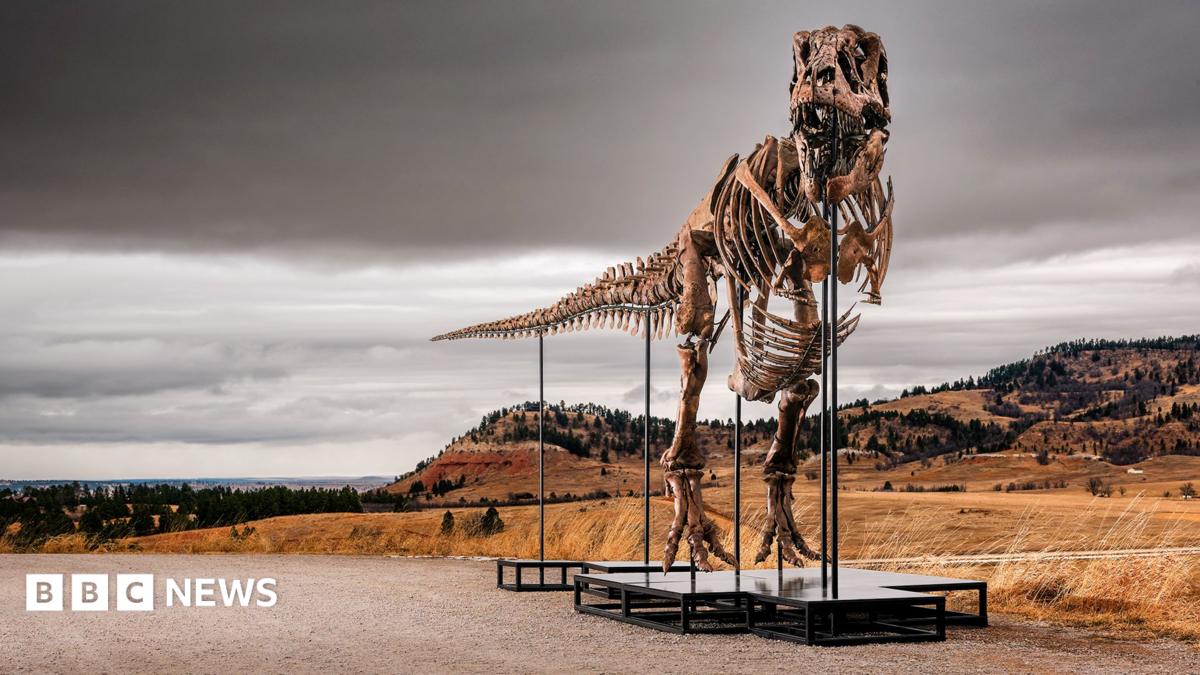
rex will make an appearance at the annual auction - one of the most complete specimens of this kind ever found. And this time it is not just scientists who are dinosaur-hunting but also the super-rich. The new specimen, known as Gus, has already been valued at $30m but it could fetch more, possibly even becoming the most expensive dinosaur ever sold. It adds to a growing debate in the natural history world – should specimens of such scientific importance be reserved for museums and their scientists?
Or - as auctioneers would argue - should fossil hunters be rewarded for their discovery of dinosaurs lost to science and saving them from a second extinction? Cassandra Hatton, global head of natural history at Sotheby's, knows very well the lengths some fossil scientists - palaeontologists - are willing to go to in the search for these creatures. "People die on excavations," she says. And for many of these hunters, the ultimate prize is the Tyrannosaurus Rex.
This dinosaur that lived millions of years ago hardly needs describing, having been immortalised in our culture by appearances in films like King Kong and Jurassic Park, and as the namesake of an English rock band.
 The BriefWire