Vietnam Boat Tragedy Deep Dive: 5 Questions Investigators Must Answer After 15 Indian Tourists Died
Vietnam Boat Tragedy Deep Dive: 5 Questions Investigators Must Answer After 15 Indian Tourists Died Written By, Last Updated: July 12, 2026, 03:31 IST While
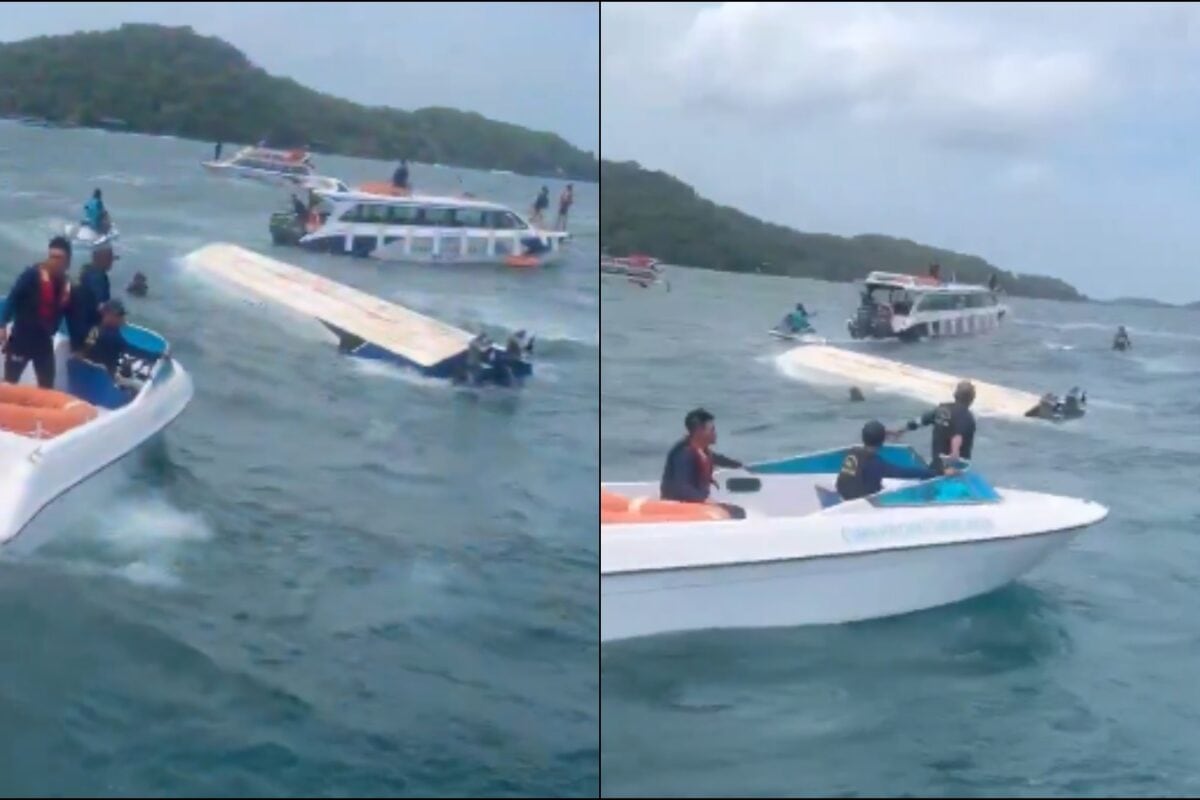
Vietnam Boat Tragedy Deep Dive: 5 Questions Investigators Must Answer After 15 Indian Tourists Died Written By, Last Updated: July 12, 2026, 03:31 IST While 21 survivors were pulled from the water, the tragedy has sparked intense scrutiny over maritime operations in the Gulf of Thailand First-hand rescue accounts from civilian boat operators revealed that emergency efforts were severely hindered because numerous victims were trapped inside the flipped hull. (Photo: X) The horrific maritime disaster off Vietnam’s Phu Quoc Island has sent shockwaves through the international travel community. A tourist speedboat operated by the Ocean Pearl Island Company was ferrying 32 Indian visitors—all corporate employees attending an annual reward incentive trip—alongside four crew members when it capsized roughly 400 metres from Hon May Rut Ngoai Island. The incident resulted in 15 confirmed fatalities, including 13 men and two women, primarily hailing from Tamil Nadu, Andhra Pradesh, and Kerala. While 21 survivors were pulled from the water, the tragedy has sparked intense scrutiny over maritime operations in the Gulf of Thailand. As federal investigators and local border guards piece together the timeline, five critical questions must be answered to establish accountability and prevent future loss of life. 1. Was the Vessel Overloaded Beyond Legal Passenger Capacity? Investigators must immediately cross-reference the physical capacity registration of the speedboat, bearing serial number AG 26751, against the actual manifest on Saturday.
The boat was carrying 36 individuals in total. Determining whether the weight distribution of 32 passengers plus four crew members compromised the vessel’s stability in choppy waters is central to the probe. Exceeding maximum passenger limits severely degrades a speedboat’s ability to recover from high-angle rolls when struck by waves, making mathematical loading calculations a top priority for maritime forensic teams. 2. Why Were Passengers Trapped Inside the Overturned Hull? First-hand rescue accounts from civilian boat operators revealed that emergency efforts were severely hindered because numerous victims were trapped inside the flipped hull. Investigators need to look closely at the structural configuration of the cabin. Cabin Access: Did the enclosed layout turn the vessel into an inescapable chamber when it rolled? Safety Briefings: Were emergency exits clearly marked, and did the crew conduct standard safety briefings before leaving the islet? Life Jacket Protocols: Were the passengers instructed to wear life jackets inside an enclosed space, which ironically can trap individuals against the ceiling of an upside-down cabin by forcing them upward into rising water? 3. Did the Captain Ignore Active Adverse Weather Warnings? Preliminary statements from the ruling Communist Party officials indicated that heavy winds and high waves were primary catalysts. However, witnesses noted that while the sea off An Thoi was rough, other commercial tourist boats continued to operate in the vicinity without incident.
 The BriefWire