Iran tells US it 'made a mistake' over attacks on ships in Strait of Hormuz: Report
Iranian officials have privately told advisers to US President Donald Trump that they made a mistake by shooting at commercial ships in the Strait of
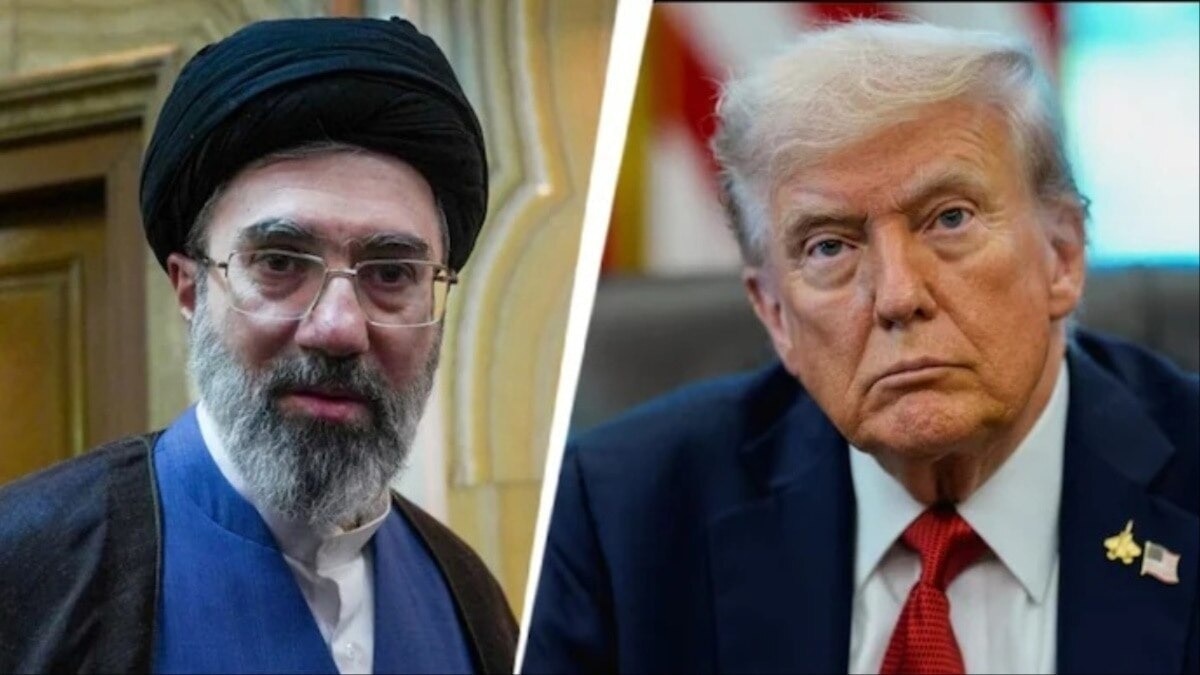
Iranian officials have privately told advisers to US President Donald Trump that they made a mistake by shooting at commercial ships in the Strait of Hormuz and want to continue negotiations, CBS News, citing senior US officials, reported that Iranian officials told the Trump administration the attacks were carried out by an "errant" faction of hardliners attempting to derail ongoing negotiations. Read Full Story According to the officials, the White House wants Iran to publicly acknowledge the mistake, which the Trump administration views as a violation of the ceasefire. President Trump has directed his negotiating team, led by Vice President JD Vance, the president's son-in-law Jared Kushner, special envoy Steve Witkoff and Secretary of State Marco Rubio, to continue talks with Iran.
The negotiations are scheduled to take place in Oman on Saturday. Senior US officials said Washington would respond with military and economic leverage if Iran continued to engage in hostile acts. "They came back to the table and said, 'We screwed up. We made a mistake. Let's keep talking,'" one US official said. Following Saturday's meeting in Oman, the Trump administration expects Iran to state that the Strait of Hormuz will remain open and be managed in the same way it was before the conflict began. "If that is not their position, it's not going to be a great day for them," one official said. "We're definitely in a wait-and-see moment," another official said. The officials said Iran told the United States that an errant entity within its system had initiated the attacks on commercial ships in an attempt to derail the negotiations.
However, the Trump administration maintains that the ships were targeted for another reason. According to one official, the United States believed that the southern shipping lane in the Strait of Hormuz, along the Omani coast, would remain open under the memorandum. The official said Iran was caught off guard by the speed of maritime traffic and the volume of oil and gas shipments using the southern lane, prompting it to renege. One official said Trump was giving US negotiators room and time to reach an agreement, but "not a lot of time." On what Trump refers to as the "nuclear dust", the remnants of Iran's nuclear programme, US officials said Washington would prefer to excavate it. However, they added that if Iran refused to act like a "normal country," the United States had other options, including keeping it buried.
 The BriefWire