Baloch Fury: Taking Cues From PoJK, Angry Citizens Confront Pakistan Army Grid In Quetta | Exclusive Details
Baloch Fury: Taking Cues From PoJK, Angry Citizens Confront Pakistan Army Grid In Quetta | Exclusive Details Reported By, Last Updated: July 12, 2026, 00:00
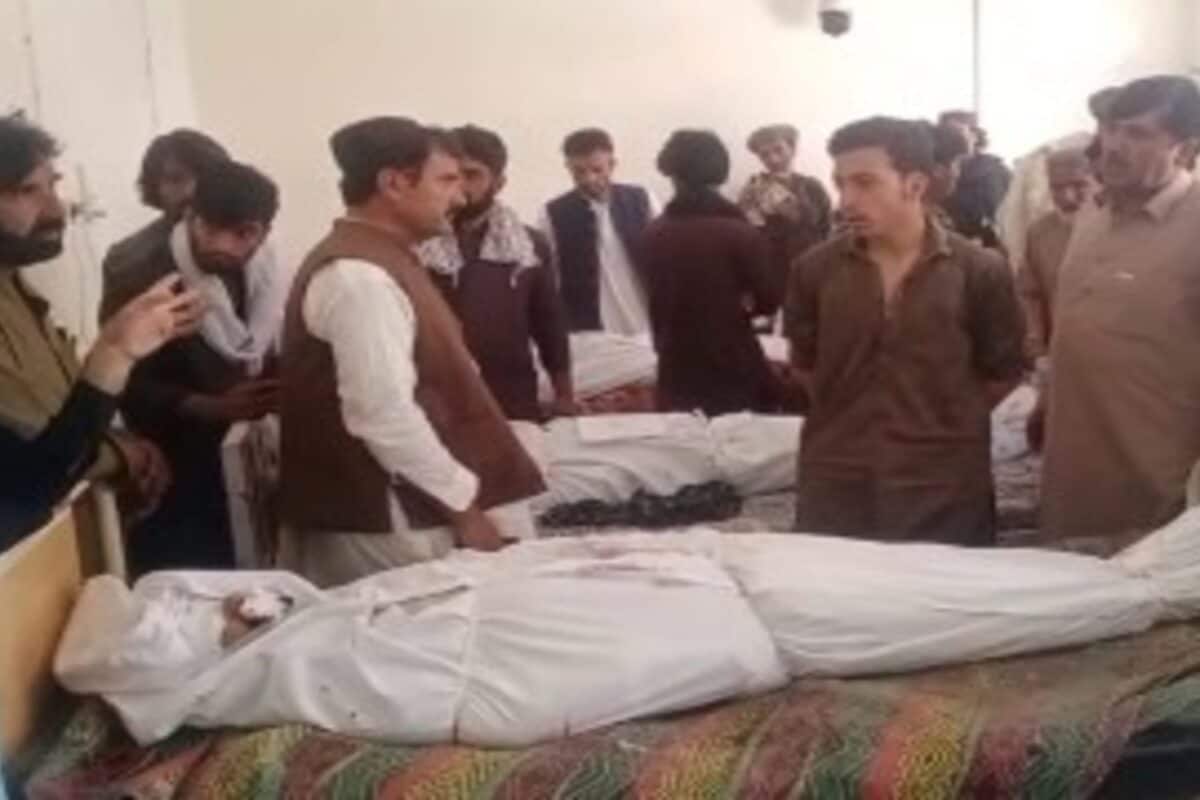
Baloch Fury: Taking Cues From PoJK, Angry Citizens Confront Pakistan Army Grid In Quetta | Exclusive Details Reported By, Last Updated: July 12, 2026, 00:00 IST The heart of the unrest lies at Koila Phatak Chowk, where families of police personnel killed in a massive terrorist attack in Ziarat are on a round-the-clock sit-in with 28 bodies Following the extraction of the casualties, the bodies of the martyred police personnel were formally dispatched to their ancestral towns following a sombre wreath-laying ceremony in the provincial capital. File image/AFP In a dramatic and unprecedented escalation of domestic fury, thousands of citizens have hit the streets across Balochistan, turning their rage directly towards the military establishment in Rawalpindi. Parallel sit-in protests have effectively paralysed Quetta, creating massive traffic gridlocks and stranding emergency medical patients. The demonstrations, which feature the harrowing sight of grieving families protesting alongside the bodies of terror victims, highlight a growing domestic revolt that top intelligence sources say is taking structural cues from recent civilian uprisings in Pakistan-occupied Kashmir (PoK).
The heart of the unrest lies at Koila Phatak Chowk, where devastated families of police personnel killed in a massive terrorist assault in Ziarat have been staging a round-the-clock sit-in alongside 28 bodies. Protesters have cut off critical transit routes between Quetta, Pishin, and Ziarat, demanding immediate security guarantees and a judicial commission to probe the security lapses. Simultaneously, on the city’s Airport Road, families of victims from the Hanna Urak valley entry point have staged a five-day demonstration with five bodies following a wave of coordinated insurgent attacks and mass abductions over the weekend. The protests have exposed deep-seated anger against the top brass of Pakistan’s security apparatus, with local families accusing authorities of abandoning ground-level police forces to heavily armed terrorists. Grieving relatives at the Ziarat sit-in leveled explosive allegations against local commanders, claiming that salt was rubbed on their wounds when the Ziarat Deputy Superintendent of Police (DSP) unjustly dismissed personnel who had narrowly escaped a previous attack at Mangi Dam.
Leaders of the sit-in went even further, alleging that senior military and intelligence elements have actively compromised local security, even going so far as to supply rations to militant modules via drones while leaving front-line police officers completely exposed. According to top intelligence analysts, this massive civilian defiance signals a critical breaking point for the Pakistani state. Historically, whenever the Inter-Services Intelligence (ISI) and the military command face intense internal political heat or domestic revolts of this scale, their established playbook is to manufacture a high-decibel crisis with India. By triggering cross-border terrorism or engineering sudden escalations along the Line of Control (LoC), Rawalpindi routinely attempts to whip up a hyper-nationalist response to force domestic unity and divert global attention away from internal collapse. However, with thousands of citizens now refusing to bury their dead until accountability is fixed, the military’s traditional distraction tactics face an unprecedented challenge from an angry population demanding justice at home.
 The BriefWire