George Goodman’s investing wisdom: Why sometimes the best move is to do nothing
In an age of instant trading, algorithm-driven investing and constant market updates, legendary market commentator George Goodman believed that one of the hardest, and often
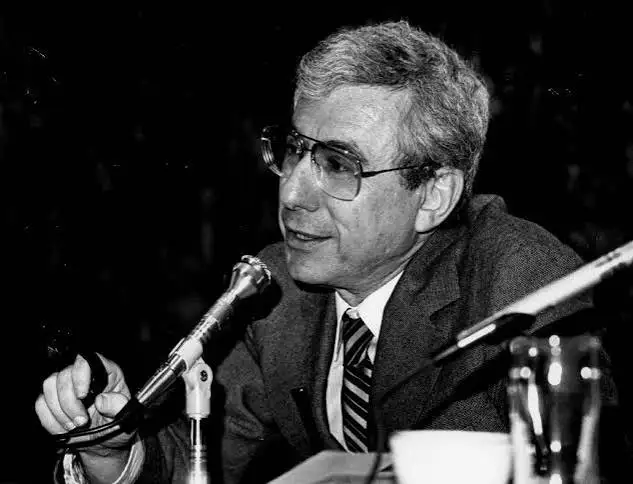
In an age of instant trading, algorithm-driven investing and constant market updates, legendary market commentator George Goodman believed that one of the hardest, and often most rewarding decisions an investor can make is to simply sit tight. Writing under the pen name Adam Smith in his classic 1968 book 'The Money Game', Goodman argued that investing is as much about understanding human psychology as it is about analysing financial statements. His insights continue to resonate with investors navigating today's volatile markets.Markets Are Driven by PsychologyGoodman viewed the stock market as an arena shaped largely by crowd behaviour rather than perfect logic. While financial fundamentals certainly matter, he believed that investor sentiment often plays a much bigger role in determining stock prices than many people realise.According to his philosophy, successful investing requires understanding not just businesses, but also the emotions of market participants. Fear, greed and changing investor moods can cause stock prices to diverge significantly from their intrinsic value, creating both opportunities and risks.Knowing Yourself Is the First RuleOne of Goodman's most enduring lessons was that investors must first understand their own personalities before trying to understand the market.He believed that investment decisions often reflect an investor's temperament.
Those who recognise their own biases, emotional triggers and risk tolerance are better equipped to avoid costly mistakes during periods of market volatility. Emotional discipline, rather than intelligence alone, often separates successful investors from unsuccessful ones.Why Sitting Tight Can Be the Right DecisionPerhaps Goodman's most famous lesson is that investors do not always need to act. During periods of uncertainty, forcing trades simply to remain active can do more harm than good.He argued that markets go through phases where no strategy consistently works. In such environments, patience becomes a competitive advantage. Choosing not to buy or sell until conditions improve is, in itself, an active investment decision rather than a sign of indecision. According to Goodman, thoughtful inaction can often outperform impulsive action.Beware of the CrowdGoodman cautioned investors against blindly following popular opinion. He believed that the real test of investing comes when market sentiment moves strongly in one direction and investors are tempted to follow the herd.History shows that bubbles often begin with sound investment ideas before excessive optimism drives prices beyond reasonable valuations.
 The BriefWire