Iran Hurries Its Oil Tankers Through Congested Strait Of Hormuz As US Issues Final Ultimatum
Iran Hurries Its Oil Tankers Through Congested Strait Of Hormuz As US Issues Final Ultimatum Published By, Last Updated: July 11, 2026, 14:35 IST Since
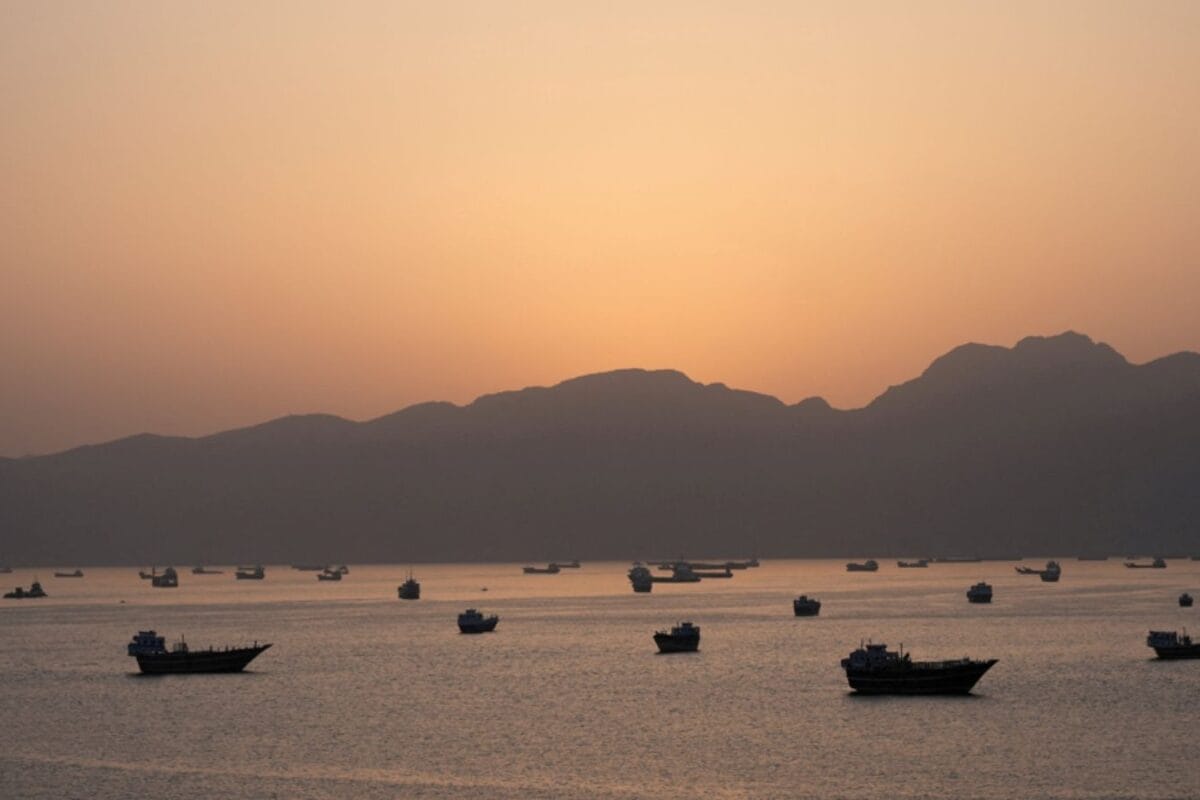
Iran Hurries Its Oil Tankers Through Congested Strait Of Hormuz As US Issues Final Ultimatum Published By, Last Updated: July 11, 2026, 14:35 IST Since the United States lifted its blockade on June 18, more than 34 million barrels of Iranian crude oil have passed through the Strait of Hormuz. Ships and boats in the Strait of Hormuz, Musandam, Oman. (Reuters photo) Iran is accelerating the movement of its own ships through the increasingly congested Strait of Hormuz as renewed fighting with the United States disrupts one of the world’s busiest shipping routes. The latest escalation has slowed commercial traffic through the strategic waterway, but Tehran has continued moving oil and goods in and out of its ports after a preliminary peace deal signed in June lifted the US blockade and eased enforcement against Iran’s so-called shadow fleet. The development comes as tensions between Washington and Tehran have flared again, raising fresh concerns over maritime security and global energy supplies. Commercial traffic falls sharply According to ship tracking firm Windward, commercial traffic through the Strait of Hormuz declined for the third consecutive night between July 9 and July 10. The company said only six vessels crossed the waterway during a 12-hour period, compared with the usual 18 to 22 ships that passed through just a few days earlier. Windward also reported a sharp increase in “dark transits", where vessels switch off their tracking transponders to conceal their locations. Such movements now account for nearly 40 per cent of all traffic through the strait, the highest level recorded in six days. Meanwhile, satellite and vessel tracking data compiled by Kpler showed that more than one-third of the 101 ships passing through the Strait of Hormuz over the past three days used a route close to the Iranian coastline.
Most of these vessels were transporting goods into Iran or carrying Iranian oil to international markets. Iranian exports gather pace Since the United States lifted its blockade on June 18, more than 34 million barrels of Iranian crude oil have passed through the Strait of Hormuz, according to Kpler. Several vessels that crossed during the past three days had previously faced the risk of interception. These included a Benin-flagged tanker sanctioned by the United States that loaded two million barrels of Iranian crude, two Iranian container ships owned by the Islamic Republic of Iran Shipping Lines, which remains under sanctions over Iran’s nuclear and ballistic missile programmes, and a Comoros-flagged cargo vessel investigated by the United Nations in 2024 over suspected Iranian arms smuggling to Yemen’s Houthi rebels. The wider recovery in shipping through Hormuz has slowed due to continued exchanges of fire between the US and Iran. Ship trackers said uncertainty over maritime security has contributed to the decline in commercial traffic, particularly after Iran targeted vessels using a Washington-backed shipping route along the Omani coast earlier this week. Blockade relief boosts Iran’s trade Iran’s shipping activity accelerated after the United States lifted its naval blockade following the June agreement. During the two-month blockade, Iranian oil exports were effectively halted, leaving crude stored onshore and aboard tankers while creating financial pressure on Tehran. The blockade also raised concerns among Iranian officials over declining food supplies and the country’s ability to finance essential imports. Following the lifting of restrictions, oil stranded in storage and floating tankers began moving towards buyers and storage facilities, particularly near China. At least two Iranian state-controlled cargo ships that had remained stranded in Asia for months were able to resume operations.
 The BriefWire