Could The ‘Malacca Model’ Offer A Way Out Of The Hormuz Fee Deadlock? Europe Weighs Proposal
Could The ‘Malacca Model’ Offer A Way Out Of The Hormuz Fee Deadlock? Europe Weighs Proposal Published By, Last Updated: July 11, 2026, 14:50 IST
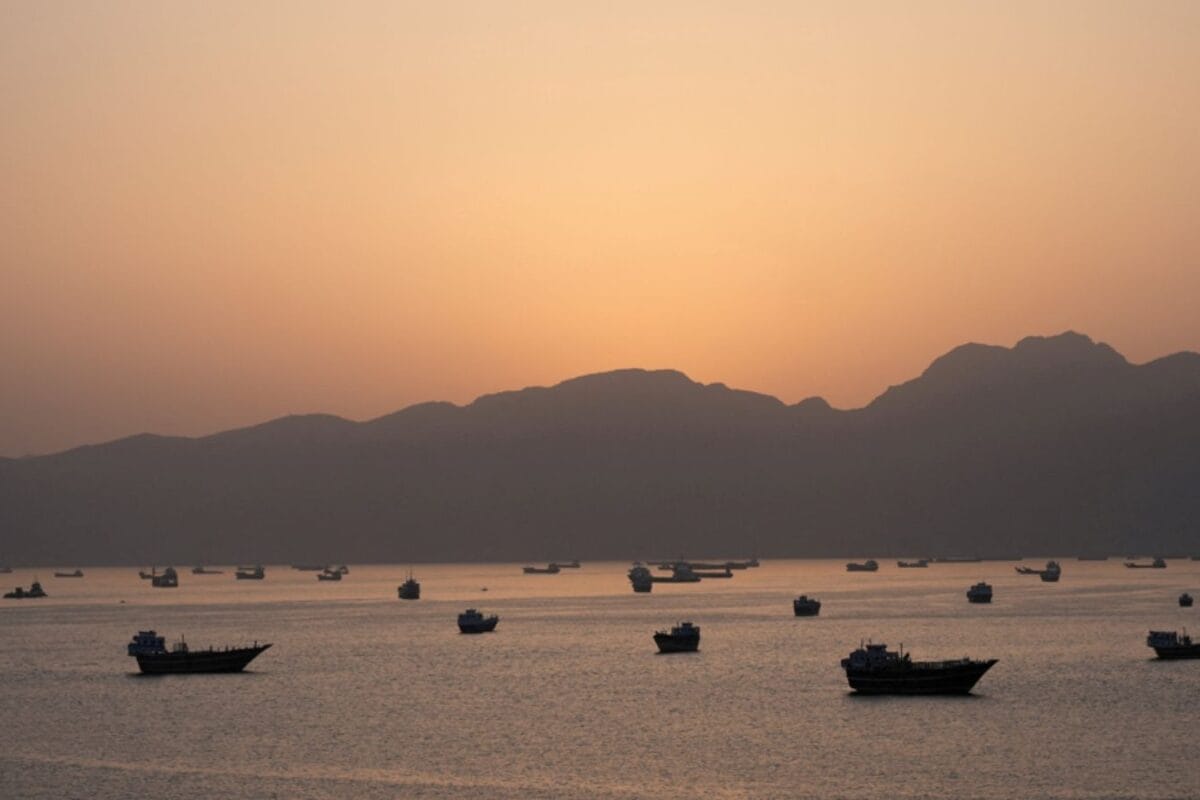
Could The ‘Malacca Model’ Offer A Way Out Of The Hormuz Fee Deadlock? Europe Weighs Proposal Published By, Last Updated: July 11, 2026, 14:50 IST Europe is studying a proposal to allow navigational fees in the Strait of Hormuz, provided the charges are voluntary and backed by the UN maritime agency. Rapid Read Ships and boats in the Strait of Hormuz, Musandam, Oman. (Reuters photo) Europe is examining proposals that could allow navigational fees to be charged in the Strait of Hormuz, provided the payments are voluntary and have the backing of the International Maritime Organization, the UN agency that regulates global shipping, The Guardian reported. The proposals are being considered amid opposition to compulsory tolls, which critics fear could give Iran greater control over passage through the strategic waterway. Britain’s Deputy Prime Minister David Lammy has warned that imposing compulsory tolls would be disastrous. However, some of his cabinet colleagues believe payments for specific navigational services are permissible in natural waterways, including the Strait of Malacca and the English Channel. According to The Guardian, Oman has developed a proposal with British lawyers that adapts principles used in the Strait of Malacca. Muscat has offered to send legal experts to Tehran to explain the plan in detail. Iranian Foreign Minister Abbas Araghchi arrived in Muscat on Saturday for talks with his Omani counterpart over the Strait of Hormuz. Iranian foreign ministry spokesperson Esmaeil Baghaei said the visit was “part of ongoing bilateral consultations between Iran and Oman on regional developments, particularly the issue of the Strait of Hormuz". The foreign ministers would “discuss and exchange views on establishing appropriate mechanisms to ensure the safe passage of ships through the Strait of Hormuz", Baghaei said. The visit comes as intermediaries attempt to revive the faltering diplomatic process after recent strikes between the United States and Iran.
Why Oman’s Proposal Matters Oman controls most of the navigable waters in the Strait of Hormuz and opposes the imposition of a compulsory toll. Speaking at a meeting of the International Maritime Organization Council in London on Thursday, Oman’s delegate Khamis bin Mohammed Al Shamakhi said the right of transit passage through straits used for international navigation was guaranteed under international law and did not support charging vessels simply for passing through Hormuz. However, he said Oman saw value in exploring voluntary arrangements “relating to navigational support services that could further enhance maritime safety and security, protect the marine environment, reduce the risk of pollution and strengthen preparedness for maritime emergencies, including collisions and fires on board of ships and tankers". Oman’s work draws on the cooperative mechanism used in the Straits of Malacca and Singapore. More than 120,000 vessels transit the waterway annually, according to a report submitted to the IMO Council. The report said the mechanism had developed into a structured and inclusive platform for addressing emerging risks, technological developments and environmental priorities. It is supported by voluntary contributions, notably from Japan. Gulf States Wary Of Iranian Control Qatar has warned against any arrangement that would give Iran sovereignty over the Strait of Hormuz in a manner that conflicts with international maritime law. “Giving the Iranians sovereignty over the strait in a way that contradicts international maritime law will be basically agreeing to be hostages to whatever radical element that wants to take over the strait at any time," Qatar foreign ministry spokesperson Majed al-Ansari said. Iran is also under pressure from regional states to clarify its proposals and state whether the fees would, in effect, be compulsory. US Seeks Public Assurance From Iran The United States has demanded that Iran publicly declare the Strait of Hormuz open and assure ships using the vital corridor that they will no longer be attacked.
 The BriefWire